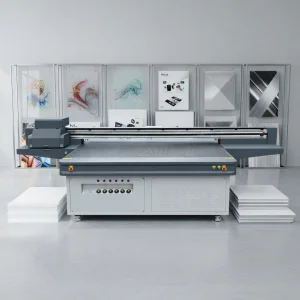
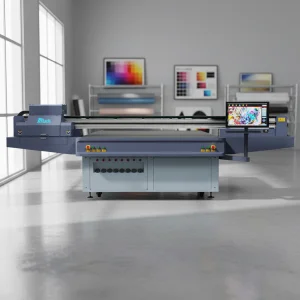
High-Quality Digital Flatbed Ceramic Tile Printer Manufacturers & Companies

Precision Piezoelectric Industrial Engineering, Advanced Drop-on-Demand Micro-Fluidics, and End-to-End Smart Automated Surface Decoration Ecosystems for Architectural & Decorative Tile Producers.

Industrial Catalog Phase I

High-Precision Digital Flatbed Print Engines

Configured with heavy-duty structural chassis, zoned high-vacuum stabilization tables, and high-frequency variable greyscale piezo heads.
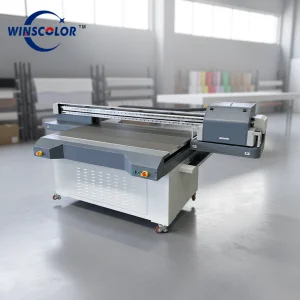
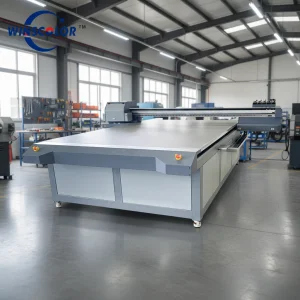
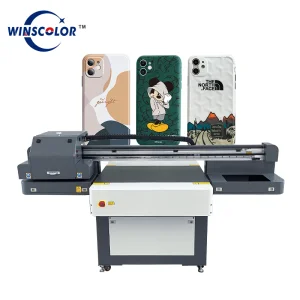
Wholesale 1610 Inkjet Flatbed UV Digital Canvas Cellphone Printer with Rotary

Wholesale 1610 Inkjet Flatbed UV Digital Canvas Cellphone Printer with Rotary Factory

Explore Machine Specs
Famous Ordinary Discount Wood Glass Uv Flatbed Printer 1610

Famous Ordinary Discount Wood Glass UV Flatbed Printer High Resolution 1610 Digital Machine

Explore Machine Specs
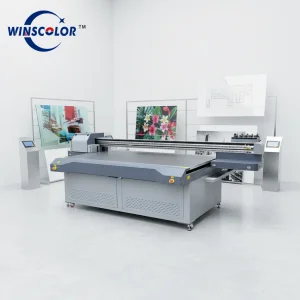
Famous Best quality Uv Wood Printing Machine 2030 Uv Led Flatbed Printer

Famous Best Quality UV Wood Printing Machine 2030 UV LED Flatbed Printer Price Suppliers

Explore Machine Specs
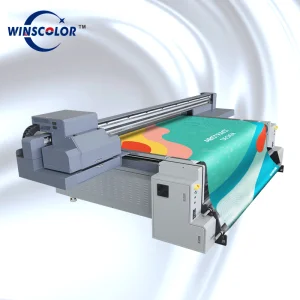
Wholesale UV Flatbed with Roll to Roll Printer

Wholesale UV Flatbed with Roll to Roll Printer Large Format Aluminum Wood Glass Wallpaper

Explore Machine Specs
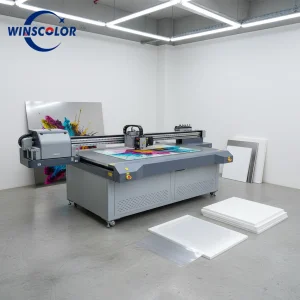
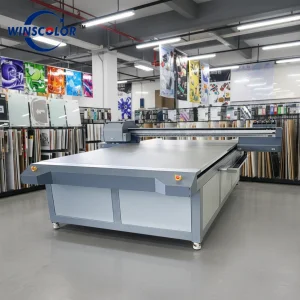
Manufacturer of Acrylic Metal Wood PVC Board Glass LED UV Flatbed Printer

High-Quality Manufacturer of Acrylic Metal Wood PVC Board Glass LED UV Flatbed Printer

Explore Machine Specs
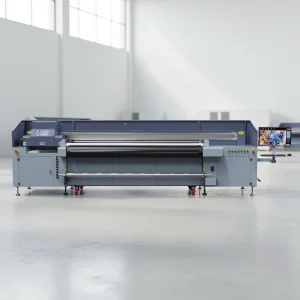
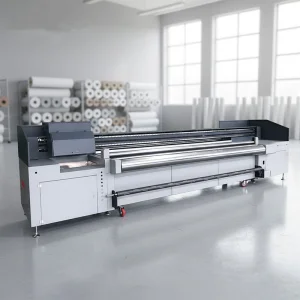
Large Format Digital Multifunction UV Hybrid Roller Printing Machine

Famous Large Format Digital Multifunction UV Hybrid Roller Printing Machine Manufacturer

Explore Machine Specs
High Speed High Precision Cup Stickers Box Aluminum Printing Machine

OEM Customized High Speed High Precision Cup Stickers Box Aluminum UV Flatbed Printer

Explore Machine Specs
Industry Intelligence Whitepaper

The Global Shift in Industrial Digital Ceramic Surface Decoration

Transitioning from analog screen and rotogravure cylinders to non-contact piezoelectric Drop-on-Demand (DoD) inkjet printing has completely transformed the multi-billion-dollar architectural cladding and ceramic tile sector.

Zero Mechanical Stress on Bisque

Traditional rotary presses subject fragile unfired green ceramic bodies and extruded bisques to severe mechanical pressures, leading to micro-fissures and edge chipping. Non-contact digital piezo jetting eliminates substrate yield loss entirely, printing up to 50mm above irregular relief geometries.

Elimination of Pre-Press Tooling Costs

Analog rotary cylinders require costly physical engraving, screen tensioning, and chemical washouts that take hours or days to change. Industrial flatbed digital printers work directly from variable RIP raster data, enabling short-run boutique runs and mass customization with near-zero setup overhead.

Micro-Fluidic Tactile & Glaze Synchrony

Modern architectures integrate structural digital glazing with pigmented inorganic ink sets. Piezo drop sizes ranging from 5pl to 80pl recreate authentic natural stone veining, slate clefts, and timber grains with synchronized glossy highlights and crystalline matte textures.

Engineering Hegemony

China's Manufacturing Efficiency & Supply-Chain Dominance

Combining world-class mechatronics, centralized precision component ecosystems, and high-rigidity structural fabrication to deliver competitive performance at scale.

20,000+ m²
Dedicated Production Plant
±0.02 mm
Gantry Milling Flatness Precision
100+
Global Export Territories
72 Hours
Non-Stop Stress Calibration

Heavy-Duty Annealed Steel Gantries

All machine bases are constructed using heavy-gage carbon steel tubes, tempered in heat-treatment annealing furnaces to eliminate internal stresses before high-precision CNC five-axis gantry milling. This eliminates carriage wobble even during sustained crosshead movements over 1.8 m/s.

Tier-1 Component Integration

Export units integrate Japanese dual THK linear guide rails, dual Panasonic or Yaskawa AC digital brushless servomotors, German IGUS low-noise drag chains, and Italian Megadyne synchronous belts, providing industrial durability that rivals European platforms at accessible capital price points.

Advanced Micro-Negative Pressure Circulation

Equipped with dual dual-chamber negative pressure ink delivery systems. White ink and glaze channels undergo continuous peristaltic circulation and micro-filtration, preventing heavy titanium dioxide and metallic ceramic pigments from settling, clogging, or damaging printhead nozzle plates.

Versatile Use-Cases

High-Value Industrial Application Environments

From residential architectural cladding to harsh outdoor installations, digital flatbed systems offer flexible compatibility across a wide range of substrates.

Sintered Stone Slabs & Countertops

Large-format ceramic sheets (up to 3200 × 1600mm) require edge-to-edge full-bleed printing to recreate exotic Italian Calacatta marble, book-matched motifs, and continuous veining across kitchen islands and vanity worktops with ultra-high abrasion resistance.

Custom Architectural Murals & Backsplashes

Boutique hotels, luxury residences, and transit terminals require bespoke tiling runs without mass minimums. Direct-to-tile digital flatbeds print multi-panel mosaics with photographic alignment, matching every grout-line transition perfectly.

High-Relief Structural Tactile Tiles

Utilizing high-build multi-pass clear UV varnishes and structural inks, flatbeds create haptic 3D textures: Moroccan Zellige ripples, wood grains, chisel-edge slate marks, and ADA-compliant tactile paving surfaces directly on vitreous surfaces.

Procurement Engineering

Industrial Machine Selection Matrix

Carefully analyze key mechanical parameters to balance required output velocity, media weight tolerances, and printbed configurations.

Platform Model Effective Bed Dimension Printhead Configuration Native Drop Size Throughput Speed (m²/h) Primary Industrial Application
YC1610H Industrial 1600 × 1000 mm Ricoh Gen5 / Gen6 (2-4 Heads) 3.5 – 5 pl variable 15 – 28 m²/h Accent Tiles, Trim, Samples, Giftware
YC2030H Heavy Flatbed 2000 × 3000 mm Ricoh Gen6 / Konica 1024i (4-8 Heads) 5 – 13 pl variable 35 – 58 m²/h Wall Panels, Large-format Vitrified Tiles
YC2513L Production Series 2500 × 1300 mm Ricoh Gen6 (3-8 Heads) 5 – 12 pl variable 28 – 52 m²/h High-Volume Architectural Glazed Tiles
YC3321L Mega-Gantry 3300 × 2100 mm Industrial Gen6 / Kyocera KJ4A 3.5 – 12 pl variable 45 – 85 m²/h Full-Sized Sintered Stone & Exterior Cladding
Future-Proofing Production

Emerging Technological Trends in Ceramic Jetting

The convergence of eco-friendly energy standards, smart robotics, and high-temperature formulations is setting new benchmarks for ceramic manufacturing.

Cold-Cure UV vs. High-Fire Inorganic Pigments

While low-temp UV-LED inks dominate decorative interior tiles, hybrid systems now support high-temperature inorganic ceramic inks containing micro-frits. After jetting, tiles enter traditional kilns firing between 1000°C and 1250°C, fusing glass glazes into scratch-proof, weather-hardened exterior finishes.

Full Automated Vision & Robotic Loading

Modern factories pair flatbed printers with inline CCD camera vision recognition and robotic arm pick-and-place loaders. High-definition overhead cameras detect tile skew, positioning offset, and surface warpage in milliseconds, dynamically shifting RIP vectors for precision edge registration.

Green Manufacturing & Decarbonization

Digital drop placement eliminates wastewater discharge and glaze runoff common in conventional wet application systems. Modern UV-LED solid-state curing consumes up to 75% less electrical energy than mercury vapor lamps, reducing factory operational carbon footprints.

Technical Support FAQ

Frequently Asked Questions by Industrial Purchasers

Key technical insights, ink chemistry fundamentals, and operational guidelines directly from our application engineering department.

How does print durability differ between UV-cured ink and high-temperature ceramic firing?
UV-LED inks crosslink photo-initiators instantly on the substrate surface, delivering vibrant color gamut and good scratch resistance with dedicated adhesion promoters—ideal for indoor feature walls, backsplashes, and commercial cladding. High-temperature ceramic formulations utilize pigmented inorganic oxides and glass frits that require post-print kiln firing (1000°C–1200°C). This process fuses the ink vitrified into the ceramic glaze, creating a surface completely impervious to heavy foot traffic, acid erosion, and intense outdoor UV radiation.
What surface pretreatment is necessary when printing directly on glazed or polished ceramic tiles?
Vitrified and polished tiles have smooth, low-surface-energy finishes that resist mechanical liquid wetting. To guarantee Grade 0 cross-hatch tape adhesion (ASTM D3359), a specialized silane or chemical bonding adhesion primer should be wiped or spray-coated over the surface prior to printing. Certain high-end printer models can also be equipped with an automated inline primer printhead that lays down primer selectively underneath the artwork.
Why are industrial Ricoh Gen6 and Konica 1024i printheads preferred for ceramic printing?
Ceramic and structural UV inks feature higher viscosities and heavy particle suspensions compared to standard desktop dye inks. Ricoh Gen6 (isolated stainless steel construction) and Konica 1024i piezo heads deliver high drive frequencies (up to 40-50kHz) and strong jetting forces capable of jetting dense ink drops with extended nozzle throw distances (up to 3-5mm above the substrate). Their internal heating circuits and continuous fluid circulation prevent micro-sedimentation and maintain constant viscosity.
How does a zoned vacuum bed maintain print accuracy across dense ceramic substrates?
Industrial ceramic slabs, porcelain tiles, and sintered stone pieces are heavy and can exhibit subtle surface curvature. High-pressure air turbine vacuum beds, divided into 4 to 8 electronically isolated zones, pull tiles down flat against the machined aluminum table. This keeps nozzle-to-substrate gaps uniform across the entire surface, preventing physical head collisions while reducing overspray artifacts.
What maintenance routine is required to keep heavy pigment inks from settling during shutdowns?
Our systems include automatic peristaltic ink agitation, periodic automated timed nozzle micro-flushing, and capping station wet-sealing. During standby or off-shift periods, the machine executes low-volume automated drop spitting and circulates white and metallic channels continuously. This prevents sediment accumulation in the sub-tanks, fluid dampers, and manifold nozzles.
Industrial Catalog Phase II

High-Throughput Hybrid & Wide-Format Hardware

Engineered for high production runs, continuous roll/sheet feeding, and industrial high-temperature tile processing lines.
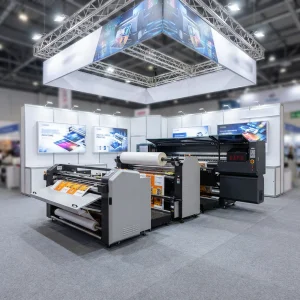
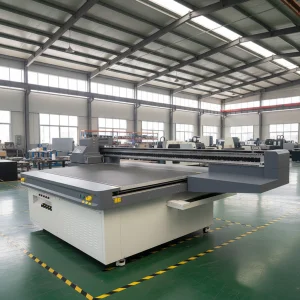
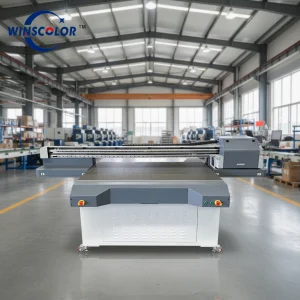
OEM Reliable Supplier Large Format 2513 UV LED Digital Flatbed Printer

OEM Reliable Supplier Large Format 2513 UV LED Digital Flatbed Printer Glass Plastic Wood

Explore Machine Specs
Wholesale Factory High Quality Fast Drying Flat UV LED Digital Printing Machine

Wholesale Factory High Quality Fast Drying Flat UV LED Digital Printing Machine PVC Board

Explore Machine Specs
Wholesale Ntek UV 6090 Digital Small Format Inkjet Flatbed UV Printer

Wholesale Ntek UV 6090 Digital Small Format Inkjet Flatbed UV Printer Manufacturers

Explore Machine Specs
OEM ODM Factory Digital LED Printing Machine 1610 Flatbed UV Printer

OEM ODM Factory Digital LED Printing Machine 1610 Flatbed UV Printer Manufacturers

Explore Machine Specs
High-Quality Large format UV Inkjet Hybrid Flatbed Printer Roller Printing Machine

High-Quality Large Format UV Inkjet Hybrid Flatbed Printer Roller Printing Machine Company

Explore Machine Specs
Famous Hot Sale Aluminum Acrylic Ceramic Dibond 2030 UV Flatbed Printer

Famous Hot Sale Aluminum Acrylic Ceramic Dibond 2030 UV Flatbed Printer Suppliers

Explore Machine Specs