Explore high-duty industrial flatbed and hybrid platforms configured for multi-shift aluminum manufacturing, continuous extrusion decoration, and high-density industrial markings.
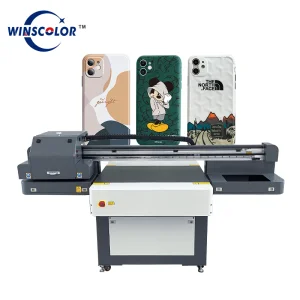
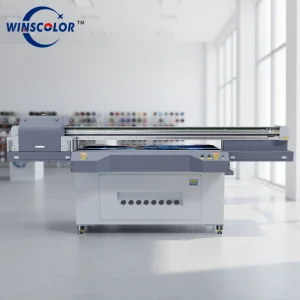
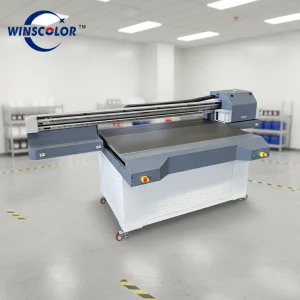
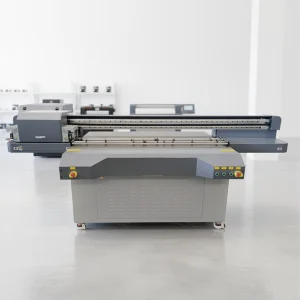
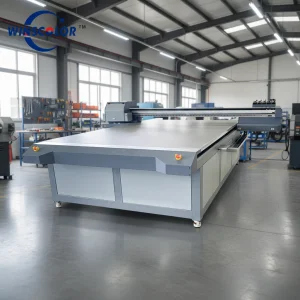
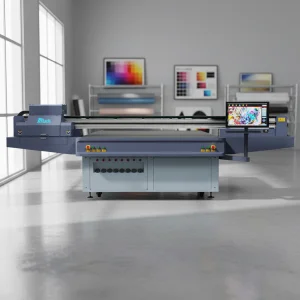
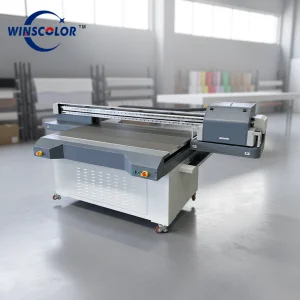
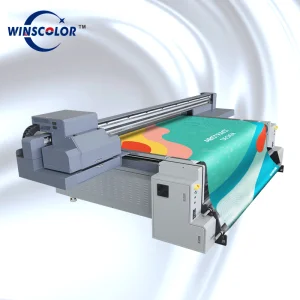
Direct-to-metal digital printing presents fundamental rheological and mechanical challenges. Raw, anodized, brushed, and PVDF-coated aluminum profiles possess low surface energy, rapid heat dissipation, and micro-porous oxide films that cause standard UV inks to delaminate under thermal expansion.
In modern manufacturing, aluminum extrusion plants, architectural facade fabricators, and consumer hardware brands are rapidly pivoting away from legacy screen printing and analog vinyl wrapping. Traditional pad and screen printing incur heavy tooling costs, prohibitive setup times for personalized short runs, hazardous chemical washoffs, and high scrap rates. However, direct digital printing onto aluminum substrates requires overcoming three critical barriers: surface energy mismatches (dyne level depression), thermal conductivity shock during UV polymerization, and mechanical shearing during post-forming processes such as bending, CNC punching, routing, and deep drawing.
NTEK digital UV printing systems, engineered by Jinan Yingcai Digital Technology Co., Ltd (Winscolor), resolve these metallurgical bottlenecks through integrated surface-functionalized ink chemistries, inline micro-atomized silane-coupling primers, and precision dual-zone cold UV-LED curing arrays. Operating at wavelengths calibrated between 395nm and 385nm, our system triggers deep free-radical cross-linking without imparting excessive thermal load onto sensitive thin-gauge aluminum alloy sheets (such as 1050, 3003, 5052, and 6063-T6).
Untreated mill-finish aluminum typically displays surface energies below 34 dynes/cm, leading to liquid ink beading and catastrophic cross-hatch flaking. NTEK’s inline nano-primer jetting technology chemically binds functional silane alkoxy groups to the substrate's aluminum oxide (Al₂O₃) layer, raising effective surface tension above 48 dynes/cm. This achieves an uncompromised 5B cross-hatch adhesion classification under ASTM D3359-17 standards and withstands 100+ MEK (methyl ethyl ketone) double rubs.
| Process Parameter | Legacy Screen Printing | Conventional Solvent Inkjet | NTEK Industrial UV LED (Gen6) |
|---|---|---|---|
| Pre-Treatment Requirement | Manual solvent degrease + screen primer coating | Chemical flame/corona + liquid wiping | Automated inline digital primer or direct jetting |
| Ink Curing Mechanism | Thermal convection oven (120–180°C, 30 min) | Evaporative solvent air dry (VOC emissive) | Instant UV-LED photo-polymerization (<0.2 sec) |
| Post-Forming Flexibility | Brittle, micro-cracking upon 90° bending | Moderate, easily abraded during CNC handling | High-elongation inks (up to 220% elasticity elongation) |
| Setup Time & Plate Cost | $120–$400 per color screen; 3–5 hours make-ready | Zero plate cost; slow multi-pass speed | Zero plate cost; instant RIP digital changeover |
| Outdoor Durability (QUV Test) | 1–2 years before chalking/fading | <1 year without clear lamination | 3–5+ years direct outdoor; 10+ years with UV varnish |
Discover the structural and economic advantages of Jinan Yingcai Digital Technology: an integrated 20,000 m² heavy-machinery facility benefiting from China's premier precision CNC and motion control supply ecosystem.
Aluminum sheets can weigh hundreds of kilograms. Unlike lightweight fabricated aluminum frames, NTEK machine bases undergo 600°C thermal annealing and natural aging to eliminate internal stress, preventing carriage deflection over a decade of continuous 24/7 industrial runs.
We combine China's high-speed industrial assembly lines with world-class international motion systems: Japanese Ricoh Gen6 drop-on-demand piezo printheads, dual THK linear guide rails, German IGUS low-noise drag chains, and Panasonic AC high-torque servo drives.
By controlling 100% of our sheet-metal manufacturing, CNC milling, electrical cabinet integration, and software RIP calibration in Jinan, Winscolor provides enterprise aluminum processors with a 35% to 50% capital equipment cost reduction compared to European or US brands.
Global procurement directors evaluate digital printing hardware beyond the initial purchase price. Here is how NTEK systems achieve superior Overall Equipment Effectiveness (OEE) and minimize Total Cost of Ownership (TCO).
Aluminum sheets—especially cold-rolled Dibond composites or thin aluminum veneers (0.5mm to 3.0mm)—frequently suffer from internal sheet warping or perimeter crowning. A printer with inadequate suction creates carriage head-strikes that destroy costly piezo printheads.
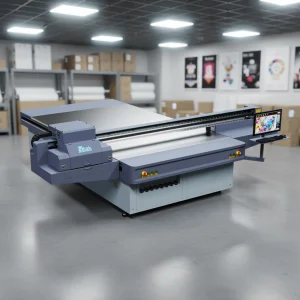
NTEK flatbed systems incorporate multi-zone independent high-pressure turbine vacuum chambers with reverse-air flotation. Operators can toggle suction across 4 to 8 isolated vacuum zones, ensuring that warped aluminum plates are pulled perfectly flat against the hard-anodized honeycomb vacuum bed with a tolerance of under ±0.05 mm across the entire 2500 × 1300 mm or 2000 × 3000 mm working area.
Cutting, shearing, and transporting aluminum creates airborne metal particulates and high triboelectric electrostatic charges (>15 kV). Left unmanaged, static deflects micro-ink droplets mid-flight, causing satellite misting and edge blurring, while metal dust can short-circuit carriage circuit boards.
Every NTEK printer configured for aluminum plants features dual bi-directional active ionizing de-static bars and a sealed optical linear encoder strip, neutralizing electrostatic charges prior to carriage jetting sweeps.
In high-capacity aluminum lines, an unexpected printhead stoppage halts downstream CNC finishing or powder-coating lines. NTEK guarantees industrial reliability through continuous ink degassing, automated negative pressure monitoring, and positive-purge flushing.
Availability (96.5%): Automatic printhead wiping, capping station, and sub-tank constant temperature heating.
Performance (97.0%): Jetted at up to 50 kHz firing frequencies, achieving 35 to 65 m²/hour in production mode.
Quality Rate (98.8%): High-definition RIP color management with G7 calibration compliance and zero pinholing.
Furthermore, NTEK's native industrial controller supports open SDKs and REST APIs, enabling direct integration into enterprise MES (Manufacturing Execution Systems) and ERP environments (SAP, Oracle) for real-time barcode-triggered job dispatching and ink consumption costing.
From extreme outdoor building envelopes in the Middle East to hyper-precise consumer electronics in Europe, explore real-world production environments where NTEK UV machines operate daily.
Direct printing of hyper-realistic marble, wood-grain, and corten-steel textures onto 4mm Aluminum Composite Panels (Dibond/Reynobond). Delivers architectural-grade exterior color fastness without the cost or lead time of custom coil coating.
Micro-text printing down to 2-point font with high-density opaque white ink underbases on chemically etched or brushed aluminum tags. Withstands harsh petroleum, hydraulic oil, and high-temperature cleaning cycles.
Precision tactile printing on sandblasted anodized aluminum laptop shells, smartphone chassis, audio front baffles, and gaming consoles. Selective high-gloss 3D embossed varnish generates tactile logo branding.
Decorative door sills, dashboard inlays, and customized commercial vehicle side walls. High-elongation UV inks withstand stamped sheet-metal forming without flaking along sharp bend radii.
Continuous printing on perforated aluminum acoustical ceiling panels. The microscopic drop placement ensures acoustic perforations (1.5mm to 3.0mm holes) remain completely clear of ink bridges or clogs.
Meeting retroreflective specifications by jetting transparent CMYK inks directly over 3M Diamond Grade prismatic sheeting mounted onto heavy structural aluminum backings.
Investing in heavy industrial machinery from China requires rock-solid international regulatory compliance, electrical safety conformity, and rapid localized after-sales engineering.
Every NTEK printer model ships with complete technical files complying with European Machinery Directive 2006/42/EC, Low Voltage Directive 2014/35/EU, and EMC Directive 2014/30/EU. Optional UL-certified electrical cabinets are built for North American industrial grid compliance.
We operate regional spare-part consignments and certified engineering partner hubs across Europe, the Middle East, Southeast Asia, and the Americas. Critical wear parts (capping tops, ink pumps, solenoid valves, encoder strips) ship with 24-hour dispatch commitments.
Our Jinan senior application engineers provide bilingual (English/Chinese) real-time remote telemetry diagnostics. Integrated remote software enables live firmware inspection, waveform re-tuning, and ICC color profile calibration directly over encrypted VPN channels.
The industrial inkjet landscape is accelerating. Discover the next generation of digital decoration technologies transforming modern aluminum manufacturing.
While multi-pass scanning flatbeds dominate batch fabrication, single-pass fixed-head arrays are entering continuous aluminum extrusion coating lines. Jetted at speeds exceeding 60 meters per minute, these systems print hyper-realistic wood grain directly onto structural profiles without film wrapping.
Aluminum sheets cut on shears or CNC punch presses rarely display perfect edge squaring. Next-gen NTEK vision cameras scan panel fiducial markers on-the-fly, dynamically compensating for skew, dimensional drift, and camber with automated RIP transformation algorithms.
An emerging frontier is jetting specialized aqueous dye inks directly into the unsealed open pores of freshly anodized aluminum, followed by conventional hot-water or nickel-acetate sealing. The graphic becomes chemically encapsulated inside the sapphire-hard anodic layer.
Detailed answers to the most common technical, operational, and commercial questions raised by international procurement teams and production heads.
We configure our industrial printers with specialized flexible or thermoforming UV-curable inks coupled with an inline micro-molecular silane primer. These inks maintain an elongation rate of up to 220%, allowing the aluminum sheet to be bent 90 degrees or V-groove folded without micro-cracking, edge chipping, or delamination along cut seams.
Ricoh Gen6 industrial printheads are built with all-steel nozzles and isolated piezo actuators that withstand high mechanical vibration and corrosive industrial primers. Firing variable droplet sizes down to 5 picoliters at up to 50 kHz frequencies, they deliver exceptional text sharpness while providing an industrial lifespan exceeding 3 to 5 years under multi-shift operation.
Raw mill-finish aluminum often retains oily rolling lubricants and paraffin protectants, requiring automated solvent wiping (IPA or acetone) to eliminate hydrophobic contaminants. Anodized aluminum is clean and porous; it accepts digital UV printing directly or with our digital primer for maximum scratch resistance and salt spray protection.
No. Unlike legacy mercury-arc UV systems that emit broad infrared radiation and heat substrates above 85°C, NTEK uses water-cooled UV-LED semiconductor arrays. Substrate surface temperature rises by less than 5°C during curing, completely eliminating thermal expansion warping even on ultra-thin 0.3mm aluminum sheets.
NTEK beds feature high-capacity dual side-channel regenerative blowers connected to 4–8 independently controlled vacuum sectors. Combined with a hard-anodized aluminum honeycomb bed with 1.2mm precision suction orifices, the bed generates strong downward vacuum holding pressure, flattening warped panels before carriage sweeps.
Standard industrial automotive-grade UV inks provide 3 to 5 years of exterior Florida-exposure durability before noticeable color shifting occurs. Applying our optional topcoat UV-protective varnish channel or post-print automotive clear coat extends outdoor weatherability beyond 10 years without chalking or fading.
Standard flatbed configurations (such as YC2513L and YC2030H) typically ship within 15 to 25 business days from order confirmation. Every machine is vacuum-sealed in anti-corrosive foil, coated with rust preventatives on precision linear ways, and crated in heavy ISPM-15 compliant export plywood boxes for ocean transport.
We offer both on-site engineering dispatch and comprehensive remote interactive commissioning. Our factory engineers conduct live video setup sessions, RIP software calibration, and ICC profile creation for your specific aluminum alloys. Detailed video documentation and 24/7 technical assistance ensure smooth commissioning.
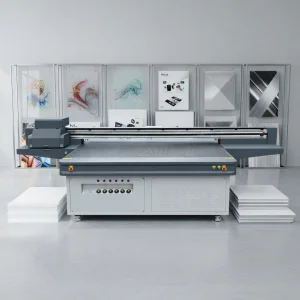
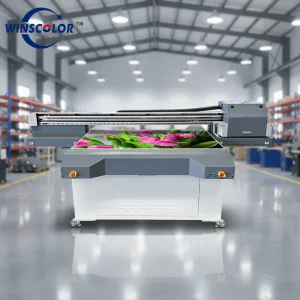
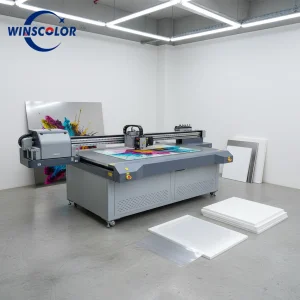
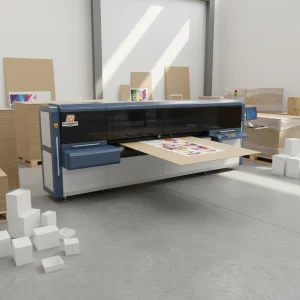
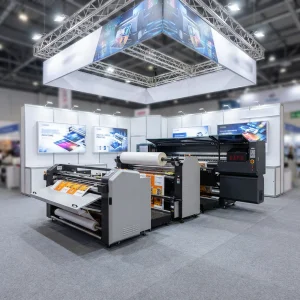
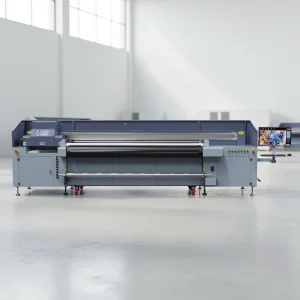
Explore wide-format flatbeds, hybrid roll-to-roll configurations, and high-speed packaging engines designed to integrate into high-volume manufacturing lines.

Send our Jinan engineering laboratory your raw, anodized, or composite aluminum sheet samples. We will conduct adhesion cross-hatch, chemical resistance, and color gamut verification tests, delivering a full ASTM laboratory report free of charge.
