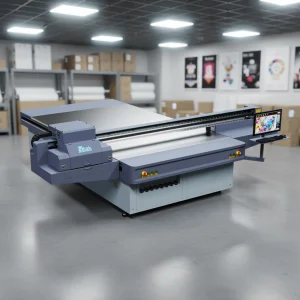
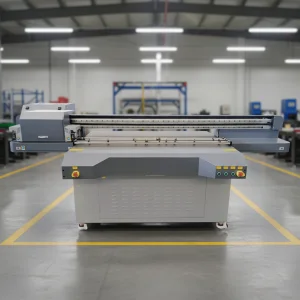
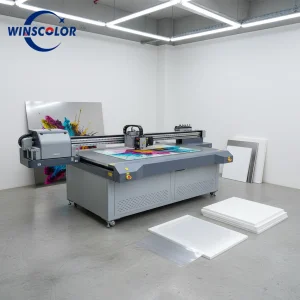
Precision rotary jigs, variable-diameter clamping, and heavy-duty UV curing platforms engineered for beverage ware, cosmetic vials, and high-margin bespoke packaging.
Evaluating the operational shift from analog screen setups to high-precision direct-to-shape digital inkjet engineering across modern consumer goods factories.
The global packaging and container decorating landscape is traversing an unprecedented operational transformation. For decades, manufacturers of glass wine bottles, vacuum-insulated stainless steel tumblers, and high-density cosmetic tubes relied almost exclusively on multi-station rotary screen printing, heat-shrink sleeves, and pressure-sensitive pressure labels (PSL). However, shifting global market realities—characterized by SKU proliferation, on-demand custom micro-batches, personalized direct-to-consumer (D2C) marketing, and aggressive ESG directives—have rendered traditional labeling bottlenecks economically unsustainable.
Direct-to-Shape (DTS) digital UV bottle printing machines developed by precision factories such as NTEK have stepped in to redefine high-yield manufacturing lines. By integrating high-frequency industrial piezoelectric drop-on-demand (DoD) printheads (such as the Ricoh Gen6 and Toshiba series) with synchronized rotary axes and cold UV-LED pin curing, contemporary bottle printers deliver photographic gradients, 3D raised tactile embossing, and 360-degree seamless helical wrapping without the substantial capital expenditure or chemical waste of silk screens, film separations, and washing solvents.
Eliminate multi-week warehousing of pre-printed adhesive labels or pre-decorated vessels. Digital rotary lines enable localized, just-in-time container decoration within bottling facilities, reducing working capital requirements and finished-goods obsolescence risk.
Modern luxury cosmetics and craft spirit brands utilize selective multi-layer white backing and high-build tactile gloss varnish. This allows for embossed braille, textured geometric patterns, and faux-glass etching created entirely via variable droplet jetting in a single pass.
Traditional sleeve labels and heavy synthetic adhesives severely degrade the optical sorting and chemical recyclability of rPET and aluminum vessels. Direct-to-bottle UV inks cure to microscopic dry-film thicknesses (sub-12 microns), vastly facilitating modern de-inking protocols during recycling.
From helical interpolation to inline plasma surface modification, explore how hardware manufacturing is solving complex taper geometry and high-speed throw distances.
Traditional rotary systems rely on step-and-repeat rotation, generating faint seam artifacts on 360-degree artwork. Advanced NTEK architectures implement real-time continuous helical motion interpolation, firing variable picoliter drops along an unbroken continuous spiral curve to guarantee seamless wraparound graphics.
Direct printing on untreated glass, low-surface-energy polypropylene (PP), and raw stainless steel frequently triggers surface tension dewetting or post-cure adhesion failure. Next-generation factory machines incorporate synchronized rotary plasma jets that elevate surface dyne levels above 52 dynes/cm milliseconds prior to ink deposition.
Printing on tapered conical surfaces (such as pint glasses, cocktail shakers, or tapered mugs) historically caused vertical distortion and droplet elongation. Proprietary RIP engines now dynamically calculate the changing linear surface speed across varying circumferences, adjusting drop-flight velocity and pixel spacing in real time.
| Substrate Category | Surface Energy (Dyne/cm) | Pre-Treatment Requirement | Recommended Printhead / Ink Configuration | Adhesion Durability Benchmark |
|---|---|---|---|---|
| Soda-Lime Glass (Wine/Spirits) | < 30 (Untreated) | Pyrosil / Flame or Chemical Primer | Ricoh Gen6 + Rigid UV Ink (CMYK+W+V) | EN ISO 2409 Cross-Hatch 0B, 50-cycle Dishwasher Safe |
| Stainless Steel / Aluminum (Drinkware) | 34 - 38 | Atmospheric Plasma or Silane Wipe | Toshiba CE4 / Gen6 + Semi-Rigid UV System | ASTM D3359 5B Tape Pull, 100+ MEK Rubs Resistance |
| High-Density Polyethylene (Cosmetic HDPE) | < 32 | Corona Discharge / Direct Plasma Torch | Flexible UV Formula (High Elongation) | Squeeze Test Zero-Cracking, Peel Resistant |
| Clear PET Bottles (Beverages) | 42 | Static Elimination / Dust De-ionizer | Low-Migration Food-Safe Formulated UV | EuPIA Guideline Compliance, Optical Sorting Compatible |
How regional packaging converters and contract decorators employ NTEK bottle printing lines to achieve rapid ROI across diverse commercial sectors.
Micro-breweries and boutique distilleries face punitive setup fees from commercial label print shops on runs under 5,000 units. Using localized rotary flatbeds equipped with quick-swap pneumatic bottle chucks, operators print variable-data vintage batches, serialized QR codes, and 3D textured gold-varnish effects on glass with immediate changeovers.
Cosmetic packaging demands stringent aesthetic standards without visible seams, peeling adhesive edges, or solvent migration. Digital printing lines handle high-curvature glass dropper bottles, acrylic jars, and metal pump cylinders using precision negative-pressure ink delivery systems that prevent nozzle drop-out over 24/7 continuous operation.
Vacuum thermal flasks, sports hydration bottles, and aluminum cycling containers represent high-volume, high-margin retail segments. Automated dual-station rotary clamps allow an operator to load and unload while a secondary station prints, yielding sustained throughput of 60 to 120 personalized multi-color pieces per hour.
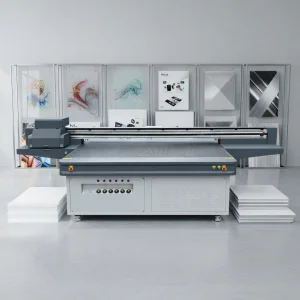
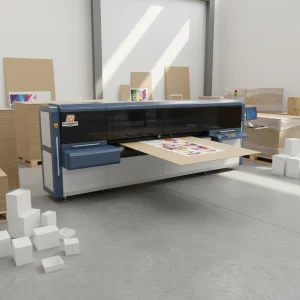
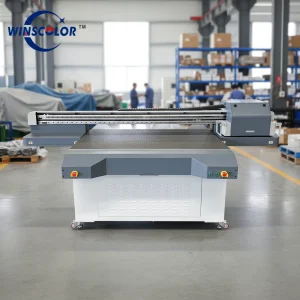
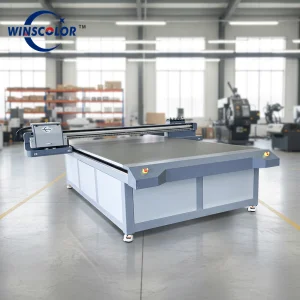
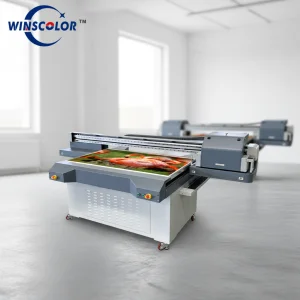
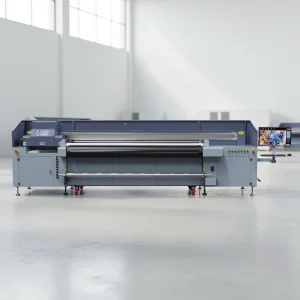
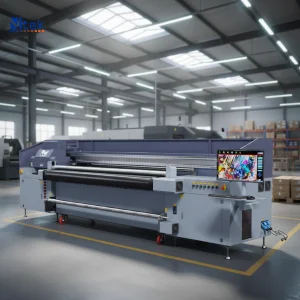
Explore large-format multi-substrate flatbeds, continuous web roller hybrids, and ultra-high-resolution UV engines built for industrial duty cycles.
Direct technical clarifications on throw distances, drop trajectory, ink formulations, and maintenance protocols for rotary bottle printing equipment.