Engineered for high-duty continuous operation across solid hardwoods, engineered plywood, MDF, and architectural timber slats with precision micro-droplet jetting.
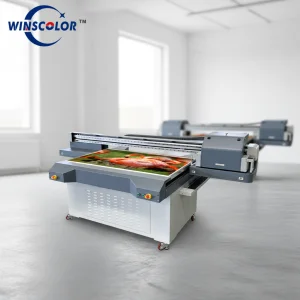
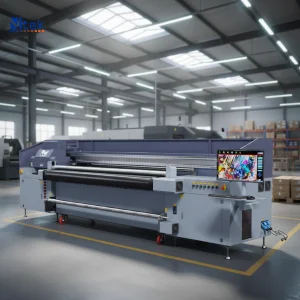
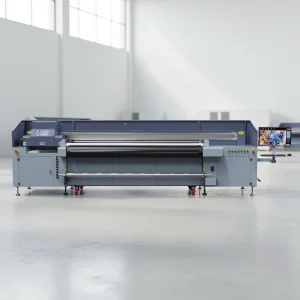
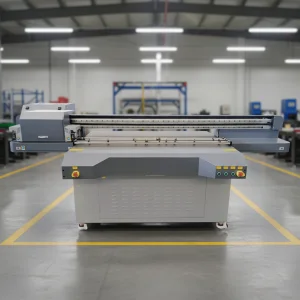
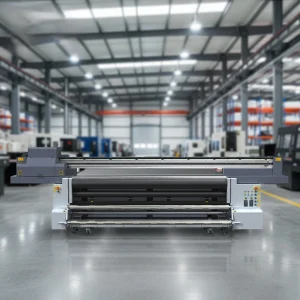
Comprehensive metallurgical, chemical, and fluid-dynamic analysis for volume manufacturers migrating from traditional rotary gravure and melamine laminates to digital inkjet.
Industrial UV printing on cellular, porous organic substrates such as solid wood, thermo-treated lumber, plywood, and medium-density fiberboard (MDF) represents one of the most sophisticated intersections of fluid dynamics, photochemical polymerization, and surface science. Unlike impermeable polymer sheets or homogeneous vitreous surfaces, wood presents an anisotropic structure characterized by alternating earlywood and latewood rings, varying cellular porosities, naturally occurring extractives (such as tannins, terpenes, and fatty acids), and hygroscopic properties that continuously seek equilibrium moisture content (EMC) with ambient atmospheric conditions.
When ink drops are expelled via high-frequency industrial micro-piezo printheads—specifically our factory-calibrated Ricoh Gen6 (RICOH MH5320) assemblies—they impact the cellulose matrix at velocities ranging between 7 and 9 m/s. The fundamental engineering challenge lies in arresting droplet absorption into deep vascular tubules before photochemical crosslinking can occur, while simultaneously ensuring sufficient inter-molecular penetration to achieve ASTM D3359 Class 5B cross-hatch adhesive binding without micro-delamination under thermal cycling.
Winscolor addresses this rheological threshold through an integrated tri-zone thermal control gantry, multi-stage cold LED polymerization arrays operating at dual wavelengths (395nm primary curing paired with 365nm deep-surface anchoring), and automated droplet volume modulation between 5 pl and 15 pl greyscale levels. By depositing a synchronized cross-linked oligomer basecoat or an ultra-dense white titanium dioxide (TiO2) barrier layer, natural timber absorption is neutralized, allowing subsequent CMYK and extended gamut inks (Light Cyan, Light Magenta) to achieve absolute chromatic brilliance and chromatic stability rated at Delta-E (ΔE) < 1.2 across multi-thousand meter production runs.
Evaluating upcoming technological thresholds, synchronized topographic surface mapping, and zero-VOC photocurable formulations shaping next-generation decorative architectural timber.
Next-generation optical profilometer heads integrated alongside the carriage capture sub-micron structural grain deviations. High-build polymerizing gloss and matte varnishes layer dynamically to create tactile wood knot structures, distressed barnwood grooves, and saw-cut textures that physically align with high-resolution visual scans.
Machine-vision camera arrays operating upstream execute real-time timber geometry and natural knot recognition. Proprietary RIP algorithm adjustments instantly warp print designs to seamlessly incorporate or disguise natural timber flaws, transforming construction-grade lumber into architectural-grade statement panels with negligible scrap rates.
To withstand extreme interior and exterior temperature shifts without micro-fracturing, our chemical engineering division is deploying renewable soy- and lignin-derived acrylated monomers. These exhibit up to 220% elongation properties, preserving cured ink elasticity across natural seasonal expansion and contraction cycles of solid timber.
Specific mechanical adaptations, pneumatic tension adjustments, and primer protocols developed for high-volume commercial production across diverse wood archetypes.
Processing timber across commercial scales requires bespoke mechanical handling setups depending on substrate thickness, weight, density, and natural warpage. Winscolor flatbed platforms utilize partitioned, high-negative-pressure turbine vacuum beds with independent zoned suction gates. This ensures that distorted plywood, acoustic perforated boards, or cupped kiln-dried lumber are flattened pneumatically against the milled aviation aluminum gantry bed, eliminating carriage collision hazards and maintaining a strict 1.2mm to 1.8mm nozzle-to-substrate firing altitude.
| Substrate Material Class | Surface Porosity / Absorption | Pre-Treatment & Primer Protocol | Ink Configuration & Layer Stack | Primary Industrial End-Use |
|---|---|---|---|---|
| Solid Hardwood (Oak, Walnut, Maple) | Low to Medium; dense cellular ring structure with natural tannic exudation. | Pre-sanding (240 grit) + Thermal dehydrate stage + Optional clear adhesion promoter. | Direct CMYK + Synchronized Varnish or Selective White base under accent motifs. | Luxury architectural millwork, bespoke acoustic louvers, premium cabinetry. |
| Engineered Softwood & Pine | High; deep vascular resin canals susceptible to bleed-through and yellowing. | Barrier primer application or high-density white basecoat sealing. | White Unterbase (High Opacity) + CMYK + Matte Topcoat protective varnish. | Prefab modular construction panels, indoor decorative cladding, pallet branding. |
| MDF / HDF (Medium/High Density Fiberboard) | Extremely High along raw edges; uniform but thirsty face fiber density. | Inline solventless UV roller-primer application or sealed prepress boards. | Dense White Primer Layer + CMYK + 3D Structural Varnish grain emulation. | Laminate floorboards, flat-pack RTA furniture, retail fixtures, display shelving. |
| Baltic Birch Plywood & OSB | Non-uniform; rough surface grain and surface knot cavities. | High-vacuum bed flattening + Optical surface sensor height tracking. | Double-strike CMYK or High-Build Tactile Varnish to level topography. | Exhibition walling, custom art prints, crating, structural interior partitions. |
| Bamboo Composites & Strand Board | Ultra-Dense, high silica content causing low chemical affinity. | Corona surface modification or Specialized Winscolor Silane Primer wipedown. | Flexible UV Ink formulation (CMYK + W + Scratch-Resistant Hard Varnish). | High-traffic commercial decking, eco-flooring, heavy-wear architectural cladding. |
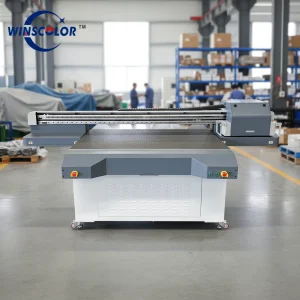
A look inside Winscolor’s 20,000 m² Jinan intelligent manufacturing plant, showcasing industrial heavy-duty fabrication and supply chain dynamics.
Every frame structure is welded from cold-drawn thick-wall steel, stress-relieved via 600°C furnace heat treatment over 8 hours, and planed in a single setup using 12-meter CNC bridge milling machines. This eliminates frame twisting or metal memory distortion, keeping carriage parallelism within ±0.015mm across the complete 3.3m bed width over a decade of continuous service.
We source Japanese dual THK high-rigidity linear guides and pair them with optional linear magnetic motors (Maglev) or high-torque Japanese Panasonic AC servo drive packages. This motion platform guarantees vibration-free travel at linear scan speeds up to 1.8 m/s, yielding clean line edges, zero satellites, and precise dot placement on coarse timber grain.
Situated within the Jinan digital machinery industrial hub, Winscolor leverages tight supply-chain integration. From local CNC machining centers to direct strategic partnerships with global printhead suppliers (Ricoh, Epson, Kyocera), we provide OEM/ODM partners with high industrial build specs at a sustainable cost per square meter.
A data-backed framework enabling procurement officers, factory owners, and industrial buyers to match output volume with printhead architecture.
Evaluating commercial flatbed and hybrid digital machinery requires a deep audit of the operational lifecycle cost rather than merely comparing initial machine acquisition prices. A comprehensive Total Cost of Ownership (TCO) assessment for industrial wood printing includes calculating raw ink yield per square meter, electrical draw under peak UV-LED curing loads, printhead MTBF (Mean Time Between Failures), mechanical depreciation, and required prepress labor.
Standard solvent and screen printing methods require expensive photo-stencil screens, extensive solvent washup, and long drying tunnels that consume massive factory square footage. Conversely, Winscolor UV flatbeds utilize 100% solids UV-curable inks with instant photopolymerization. Operating statistics across more than 100 installed export markets indicate average ink consumption ranges between 7.5 and 10.5 ml/m² for full coverage wood decor prints (inclusive of white underbase and CMYK), driving direct ink consumables cost below $0.45/m² while unlocking on-demand personalization with zero set-up scrap.
Recommended Configuration: YC1610H or YC2513L equipped with 2–3 Ricoh Gen6 or Epson i3200-U1 heads (CMYK + W). Ideal for bespoke art timber panels, personalized giftware, prototype design studios, and architectural sample proofing.
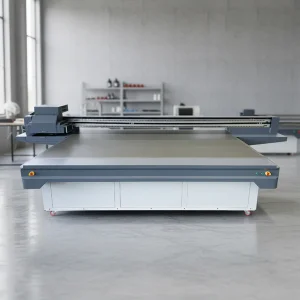
Recommended Configuration: YC2513L / YC2030H equipped with 4–6 Ricoh Gen6 heads in staggered array (Dual CMYK + Double White + Varnish). Optimized for medium cabinetry makers, prefabricated partition producers, and commercial signage businesses.
Recommended Configuration: YC3200HR Hybrid or YC3321L Super-Wide with 8+ Ricoh Gen6 / Kyocera KJ4A industrial heads, automated pneumatic registration pins, and dual vacuum turbines. Designed for continuous multi-shift flooring and furniture production.
Minimizing overseas machine downtime with robust field-service frameworks, parts redundancy hubs, and international electrical/environmental certifications.
Winscolor machines are certified according to European CE Machinery Directive (2006/42/EC), Low Voltage Directive (2014/35/EU), and EMC Directives (2014/30/EU). Electrical cabinets comply with industrial UL 508A and CSA C22.2 standards, with insulated wire looms, safety light curtains, emergency stops, and shielded data transmission lines.
Every printer features secure network-enabled diagnostic ports. Our factory engineers in Jinan can perform real-time optical encoder calibration, waveform voltage audits, firmware updates, and pneumatic vacuum curve diagnostics remotely, resolving over 85% of operational inquiries without waiting for dispatch.
To prevent costly plant shutdowns, Winscolor and our regional distributor partners maintain buffer inventories of critical sub-assemblies—such as negative-pressure pumps, solenoid valves, servo motors, sub-ink tanks, and Ricoh printheads—stocked across regional hubs in North America, Europe, and the Middle East for 48-hour delivery.
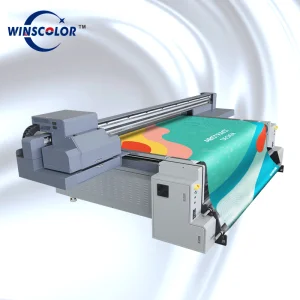
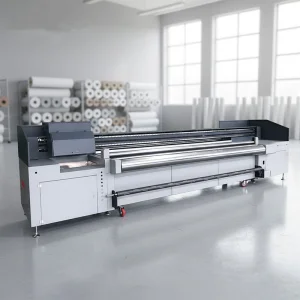
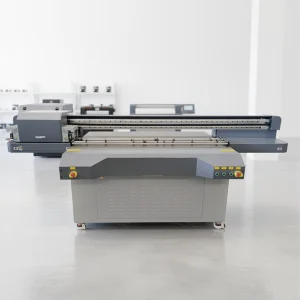
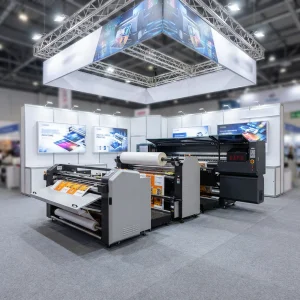
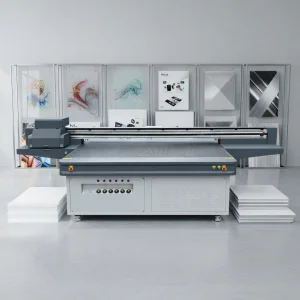
Explore our high-resolution rotary attachments, hybrid sheet/conveyor lines, and corrugated packaging machines designed for diversified factory output.
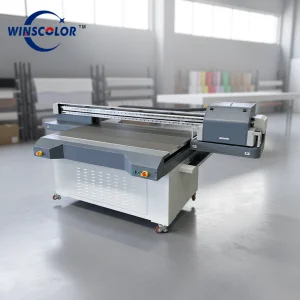
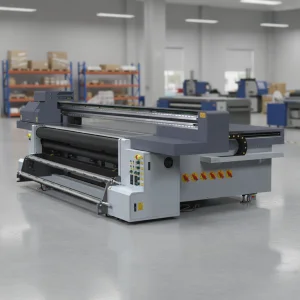
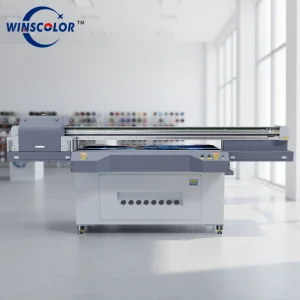
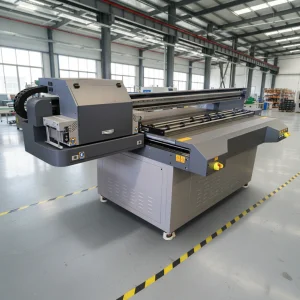
In-depth troubleshooting and chemical adhesion engineering answers compiled by our chief R&D team for volume print producers.
