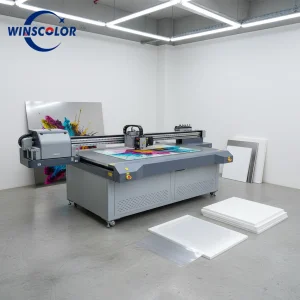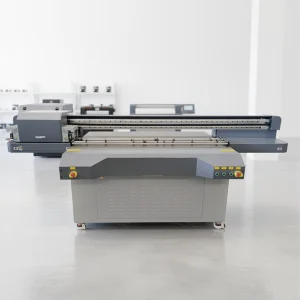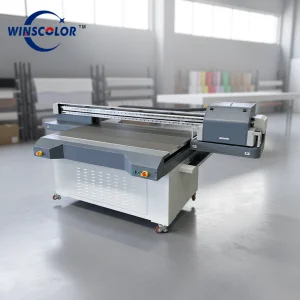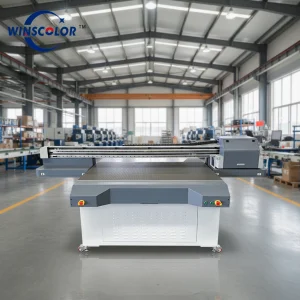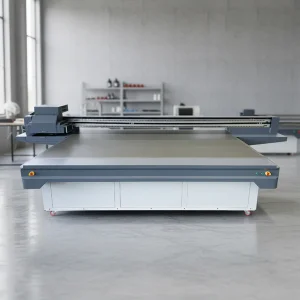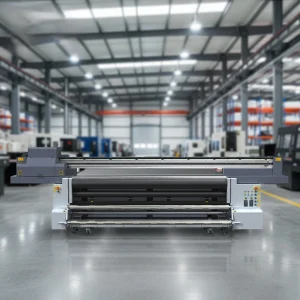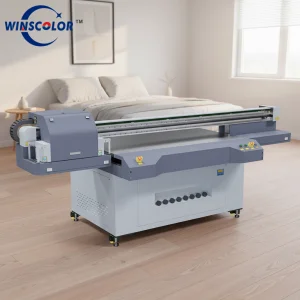
Explore our top-tier industrial portfolio optimized for continuous batch output across rigid substrates and flexible media with high-density pigment stability.
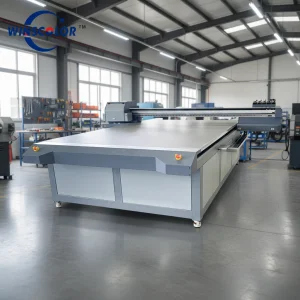
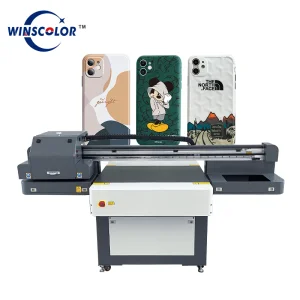
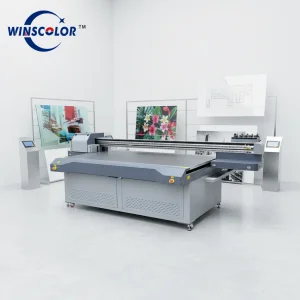
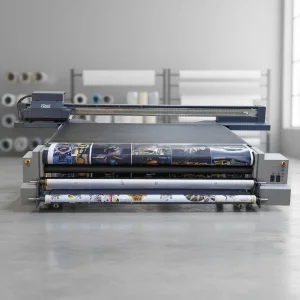
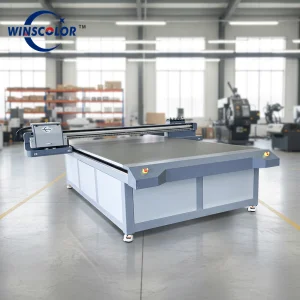
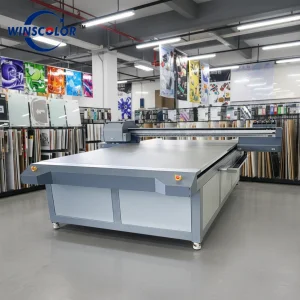
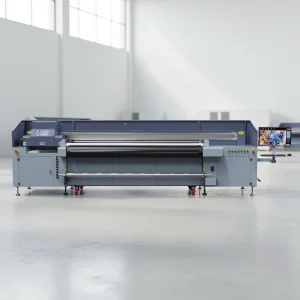
As industrial workflows shift from conventional analog screen imaging to on-demand digital micro-piezo chemistry, commercial buyers require agile platforms that merge multi-axis transport, cold UV curing, and ultra-wide color spaces.
Traditional eco-solvent and thermal setups required massive ventilation grids, long degas drying curves, and frequent nozzle unclogging cycles. Modern industrial multifunction UV systems utilize specialized UV-LED photo-initiator curing lamps. By emitting narrow-band 395nm cold ultraviolet wavelengths, inks undergo instantaneous cross-linked photopolymerization upon contact with the substrate. This completely eliminates volatile organic compounds (VOCs), protects heat-sensitive thin films (BOPP, PVC, thin synthetics), and enables zero-delay downstream post-finishing.
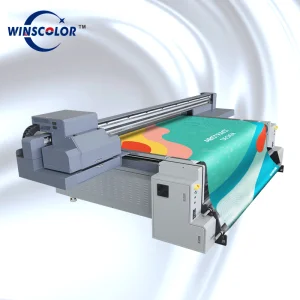
Floor-space constraints and dynamic production cycles have rendered single-purpose printing presses commercially rigid. High-volume signage print shops and manufacturing plants now mandate dual-utility hybrid architectures. Utilizing pneumatic vacuum tables combined with automated synchronization feeder drums, industrial hybrid units seamlessly alternate between dense rigid boards (such as 50mm acrylic, tempered glass, Dibond) and flexible web roles (such as backlit polyester, flexible vinyl, canvas) without structural reconfiguration.
Modern commercial procurement focuses heavily on margin expansion through haptic value addition. Modern industrial multifunction printing equipment incorporates dedicated white channels alongside tactile gloss varnish drop arrays. By laying synchronous micro-droplet underbases, print heads achieve saturated photographic densities on opaque, mirrored, and ultra-dark materials. Selective multi-pass clear coating produces localized spot gloss, anti-scratch protective barriers, high-relief Braille signage, and embossed geometric finishes.
Winscolor (Jinan Yingcai Digital Technology Co., Ltd) integrates proprietary structural machining, intelligent electronics, and industrial micro-piezo calibration across an expansive 20,000 m² modern manufacturing ecosystem.
Structural rigidity is the prerequisite for droplet landing precision. Winscolor beds are constructed from heavy-gauge, stress-relieved steel gantries planed by 5-axis CNC portal milling machines to tolerances under 0.02 mm. Paired with dual Japanese THK quiet linear guideways and magnetic encoder strips, carriage jitter is suppressed across high-speed acceleration profiles, preventing mechanical banding across full-width printing jobs.
Reliability hinges on certified core components. Our multifunction printing platforms integrate Ricoh Gen5/Gen6 and industrial grade piezo print heads featuring sub-drop grey-scale rendering (5-12 picoliters). Fluid motion is commanded by dual Panasonic or Leadshine AC servo drive arrays, Igus drag chains from Germany, and Italian Megadyne synchronizing timing belts, ensuring uninterrupted duty cycles during multi-shift industrial manufacturing.
Substrate stability is guaranteed via isolated multi-chamber aluminum vacuum beds that secure varied media widths without air leakage. At the fluid level, automated negative pressure circulation controls the ink meniscus across all channels simultaneously. This active pneumatic leveling prevents ink weeping during carriage vibrations, protects nozzles against micro-bubble air locks, and conserves purging volume.
Procurement executives, commercial converters, and distributor networks evaluate wholesale printing hardware through an objective framework balancing consumable economy, mechanical MTBF, and software integration.
Initial capital expenditure (CAPEX) constitutes merely 25-30% of lifetime machine expense. Real operational return on investment relies upon ink consumption efficiency (averaging 8-12 ml per square meter), LED-UV module lifespan exceeding 20,000 operating hours, and universal spare parts compatibility that prevents vendor lock-in pricing.
An enterprise machine must transition from ultra-thin PET film and soft banners to heavy 100mm solid granite slabs or architectural plate glass. Multi-pin pneumatic registration guides, automated height sensing sensors, and intelligent anti-crash bars protect fragile printheads from media deformation.
Industrial color fidelity relies on integrated raster image processors such as Caldera, Onyx, or Photoprint. Native 16-bit rendering architectures, specialized custom ICC profile curves for difficult substrates, and automated nesting optimization maximize throughput while reducing sheet discard overhead.
Global fulfillment requires vacuum-sealed anti-corrosion barrier packaging, shock-monitored seaworthy timber crating, and dependable after-sales SLAs. Winscolor maintains full spare-part inventories, online factory engineer telemetry, and direct distributor technician support networks.
Winscolor multifunction printing systems serve as mission-critical equipment across diverse commercial and manufacturing sectors, combining speed, resolution, and structural endurance.
Direct printing across corrugated PVC, cast acrylic sheets, backlit signage fabric, foamcore, and aluminum composite. Direct-to-board imaging eliminates labor-intensive vinyl mount-and-laminate procedures, lowering production lead times from days to minutes.
Processing custom ceramic tiles, structural glass splashbacks, natural timber boards, and SPC flooring planks. Specialized silane glass primer coatings and flexible UV curable formulas withstand subsequent thermal laminating, scoring, and cutting.
Instant digital printing for sample mockups, limited product runs, e-commerce mailing boxes, and corrugated point-of-sale displays. Eliminates flexographic plate setups, proofing fees, and minimum order requirements for paperboard converters.
High-resolution microscopic typography and barcode generation on polycarbonate control panels, aluminum instrument enclosures, automotive components, and electrical housings with superior abrasion and solvent resistance.
Synchronized 360-degree rotary fixture printing for drink bottles, tumblers, cosmetic tubes, pens, and personalized acrylic gifts. Complete circumferential edge-to-edge pattern alignment without registration skew or overlap seams.
Utilizing high-elongation, crack-resistant elastic UV inks to print personalized footwear, genuine leather belts, synthetic PU handbags, and phone covers that withstand repetitive bending, abrasion, and thermal fluctuations.
Objective technical guidance compiled by Winscolor application engineers for procurement leads, factory operators, and international distributors.
Expand your industrial output with specialized engineering formats designed for flexible textiles, heavy architectural panels, and multi-shift industrial marking.