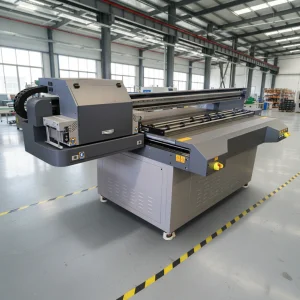
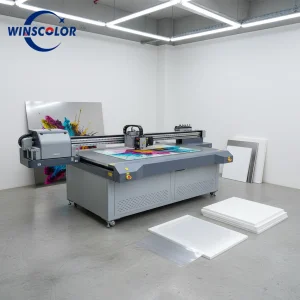
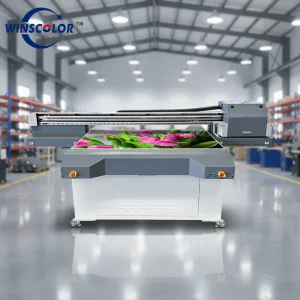
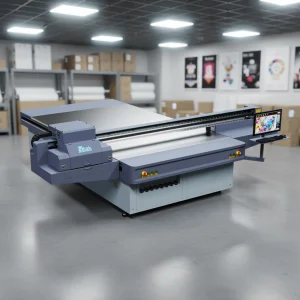
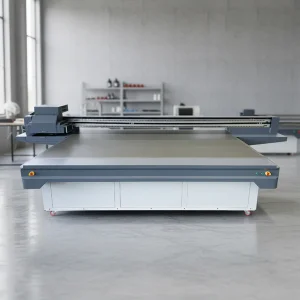
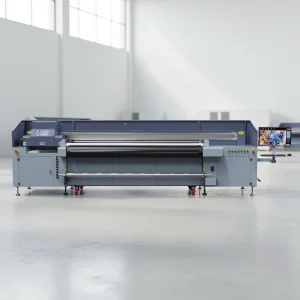
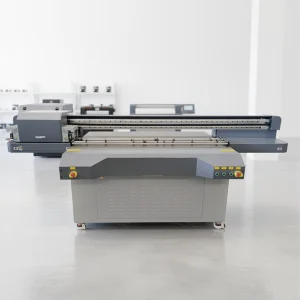
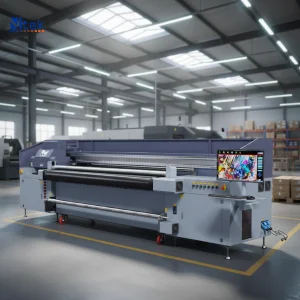
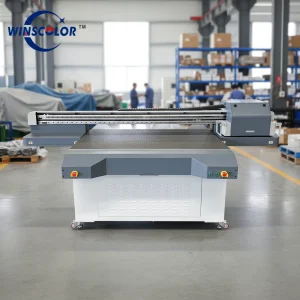
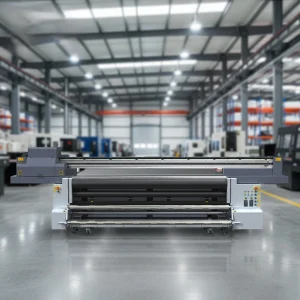
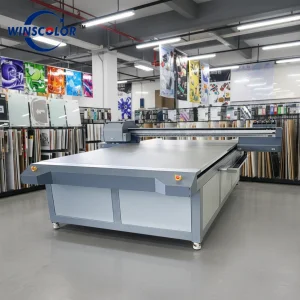
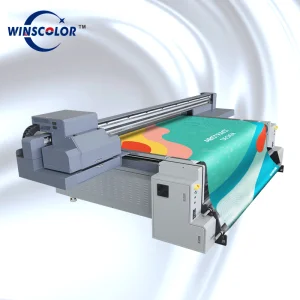
Discover our core manufacturing lineup, purpose-built with industrial-grade micro-piezo printheads, dynamic multi-vacuum zones, and precision curing technology for continuous high-yield production runs.
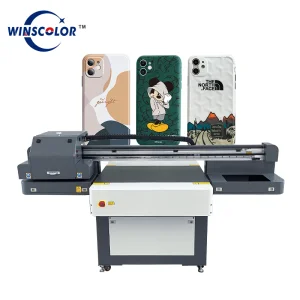
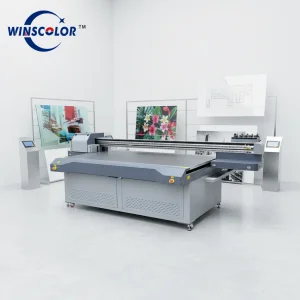

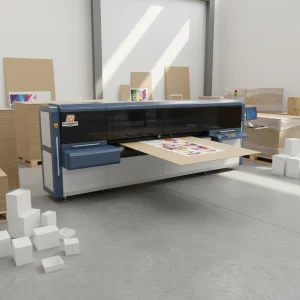
The global protective phone accessory sector has transitioned irrevocably from mass-manufactured generic injection moldings to hyper-personalized, on-demand high-definition decorated consumer products. As smartphone replacement cycles extend beyond 36 months, consumers view mobile cases not merely as physical shock absorbers, but as dynamic canvases for self-expression, artistic brand identity, tactile sensations, and limited-edition luxury collabs.
Traditional overseas injection printing and sea-freight distribution have given way to decentralized micro-fulfillment hubs. High-speed UV flatbed systems allow print shops and contract manufacturers in North America, Europe, and the APAC region to execute localized dropshipping orders within 2 hours of customer checkout.
By eliminating analogue copper gravure cylinders, screen mesh stretchers, and sublimation heat transfer plates, digital UV curing systems reduce unit setup costs to zero. A batch of 500 individualized cases carries virtually the same unit ink and energy cost as a mass run of 50,000 units, unlocking margins exceeding 300%.
Advanced UV-LED polymerization produces flexible, scratch-resistant ink films directly onto thermoplastic polyurethane (TPU), rigid polycarbonate (PC), genuine and vegan PU leather, tempered glass backplates, and biodegradable wheat-straw plastics without flaking, delamination, or solvent off-gassing.
Printing on molded telephone covers introduces physical challenges unseen in standard flat graphics: contoured curved bevels, injection gate micro-variations, static build-up on insulating polymers, and camera bumper height differences. Our machines incorporate rigorous industrial mechatronics to eliminate edge banding, overspray fog, and head strike risks.
| Subsystem Component | Winscolor Industrial Architecture | Operational Value for Case Decorators |
|---|---|---|
| Industrial Printheads | Ricoh Gen6 (MH5320) Piezoelectric Actuators | Enables variable drop greyscale down to 5 pL with firing frequencies up to 50 kHz for razor-sharp micro-typography and skin tones. |
| Axis Motion Drive | Japanese THK Dual Silent Linear Guides & Megadyne Steel Belts | Vibration-dampened motion carriage prevents harmonic micro-stepping artifacts even during 800 mm/sec rapid carriage returns. |
| UV Polymerization | Water-Cooled Dual LED Arrays (395nm Wavelength) | Cold curing transfers negligible heat onto thin thermo-sensitive TPU borders, eliminating thermal warp and perimeter shrinking. |
| Ink Path Pressure | Active Negative Pressure Control with Auto-Degassing | Maintains micro-bar metric stability in high-speed continuous jetting, preventing nozzle starvation or micro-air ingestion. |
| White Ink Agitation | Continuous White Ink Stirring & Head Internal Recirculation | Completely eliminates titanium dioxide (TiO₂) nanoparticle precipitation, preventing head clogs during overnight standby. |
Modern phone cover retail relies on differentiated tactile feel. Pure CMYK printing provides two-dimensional graphic representations, but Winscolor UV flatbed systems deploy multi-channel white underbases and high-viscosity glossy varnish layers that can be stacked sequentially to produce distinct 3D tactile reliefs, oil-painting impasto, and embossed corporate logos.
By repeatedly jetting high-density white or clear varnish ink in identical coordinates prior to curing, the system builds measurable vertical heights up to 2.5 mm. Custom geometric textures, faux carbon fiber weaves, and raised typography invite user touch, commanding retail prices 4× higher than flat transfers.
Thermoplastic Polyurethane (TPU) bumpers require elastic, flexible ink chains that withstand aggressive bending without micro-cracking. In contrast, tempered glass backings require specialized silane coupling primers to achieve 5B cross-hatch tape adhesion ratings against sweat, sebum, and isopropyl alcohol cleaning.
Independent dual LED lamp controls let the operator pulse cure (pinning) for high-gloss, crystal-clear water-droplet accents, or delay curing to allow droplets to level out into silky matte anti-glare coatings, completely in software without physical tool retooling.
True production line efficiency is measured not just by nominal carriage velocity, but by overall equipment effectiveness (OEE). Winscolor provides comprehensive production cell engineering including multi-cavity CNC vacuum jigs, computerized barcode-driven RIP automation, and automated height sensing.
Custom anodized aluminum fixtures accommodate 24 to 96 cases per batch. Dedicated micro-suction ports hold covers completely stationary against carriage aerodynamic draft.
Dual optical infrared beams sweep the bed to establish 0.05 mm surface clearance tolerances, automatically compensating for oversized camera modules or raised bumper lips.
White ink underbase, 6-color photographic CMYK+Lc+Lm reproduction, and tactile varnish finish are laid down simultaneously in a single bi-directional gantry pass.
Sub-millisecond UV-LED radiation instantly locks liquid monomers into an interconnected, scratch-resistant polymer matrix. Cases are fully cured and package-ready instantly.
From bustling metropolitan consumer malls in Tokyo and London to high-throughput B2B digital export hubs in Jinan and Guadalajara, Winscolor phone cover printing equipment powers four distinct commercial manufacturing topologies.
Direct API integration between shopify/TikTok storefronts and the printer's RIP queue. Automated hot folders compile the buyer's uploaded pet photos or bespoke art onto corresponding iPhone, Samsung, or Google Pixel CAD templates, outputting finished items in sub-5-minute cycles.
Compact UV6090 flatbed systems installed inside shopping centers and tourist landmarks. Shoppers customize cases on an interactive tablet terminal, observing the real-time printing process through protective amber UV viewports, transforming print manufacturing into an experiential retail attraction.
Supplying high-volume promotional cases for corporate events, tech brand product launches, gaming esports tournaments, and licensed character IP. Large-format platforms (like the YC2030 or YC2513) decorated with multi-unit jigs deliver 1,200 cases per shift with tight brand Pantone accuracy.
As smartphone form factors evolve toward foldable displays, compound curved ergonomic edges, and novel sustainable biomaterials, Winscolor's R&D engineering center continues to pioneer hardware leaps that will define the future of digital device personalization.
Replacing fixed mechanical jigs with dual high-resolution overhead CCD cameras and neural visual recognition software.
Next-generation piezo actuators tuned for 15 mm high-distance drop throw without satellite misting.
Eco-certified, plant-derived monomer chemistries meeting zero-VOC, RoHS, and cradle-to-cradle European standards.
Detailed technical, operational, and financial answers evaluated by our senior mechanical engineers and application chemists to inform overseas B2B purchasing decisions.
Sublimation requires specialized blank cases coated with polyester resin, heated ovens running at 200°C, and separate printed transfer papers, which warp flexible TPU bumpers and consume massive energy. UV flatbed printing prints directly onto any raw, untreated case (TPU, PC, Glass, Wood, Leather) in seconds at room temperature with zero transfer media waste, lower cost per piece, and the ability to add 3D raised tactile varnish effects.
Peeling or flaking is caused by using rigid inks on elastomeric materials. Winscolor provides custom-formulated "Flexible" or "Neutral" UV LED inks designed with long polymer chains. When cured, the ink film can stretch up to 200% alongside silicone or TPU phone edges without micro-fissures or delamination. For glass or glossy metal backplates, an automated wipe or digital jetting of silane primer ensures permanent adhesion.
On our compact YC6090 (bed size 600×900 mm), a standard custom nesting jig holds approximately 24 to 32 smartphone cases per load. On our mid-format YC1610H (1600×1000 mm), an operator can array 90 to 120 phone cases simultaneously. With production print speeds, a full batch on the YC1610H completes in roughly 6 to 9 minutes including white underbase and CMYK color.
We recommend a 3-printhead configuration using industrial Ricoh Gen6 or Epson i3200-U1 printheads: Head 1 dedicated to White ink (for dense underbase on black or transparent cases), Head 2 dedicated to CMYK (or CMYK+Lc+Lm for ultra-smooth skin tones), and Head 3 dedicated to Clear Gloss Varnish (for spot tactile relief, embossed emblems, and scratch-protection topcoats).
Modern cases frequently feature raised protective lips around camera islands. Winscolor printers utilize high-precision optical laser height sensors that scan the bed's highest physical coordinate before printing. The carriage automatically offsets to maintain an optimal 1.5–2.0 mm jetting gap. Ricoh Gen6 printheads feature strong firing velocity capable of maintaining droplet coherence across minor clearance variations.
Ink consumption averages approximately 8 to 12 ml per square meter of 100% full-bleed coverage. A standard modern smartphone case has an area of roughly 0.012 m². Even with a dual-layer white base and full photographic CMYK art, the total ink consumption is approximately 0.15 to 0.22 ml per case, equating to an raw ink material cost of between $0.015 and $0.035 USD per finished case.
We provide comprehensive lifetime technical service for our international partners across 100+ countries. Every machine comes pre-tested and calibrated from our Jinan manufacturing plant. We provide complete English documentation, 4K video step-by-step setup guides, direct engineer remote screen-sharing via TeamViewer, and live video diagnostics over WhatsApp/WeChat, backed by next-day courier dispatch of core spare parts.
Absolutely. Winscolor flatbed machines are universal direct-to-substrate platforms. Simply lift off the phone case nesting jig, and the vacuum bed is ready to print directly onto acrylic plaques, wood signage, leather wallets, metal nameplates, canvas art, power banks, and ceramic tiles. Equipped with our optional rotary tool, it also prints seamless 360° graphics onto tumblers, bottles, and thermal cups.
Select from specialized 3D varnish flatbeds, versatile roll-to-roll hybrid printers, and high-speed multi-substrate solutions designed for enterprise-scale productivity.