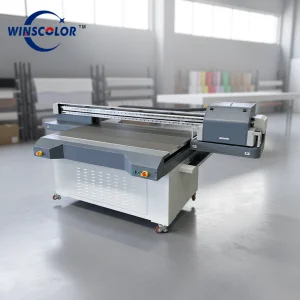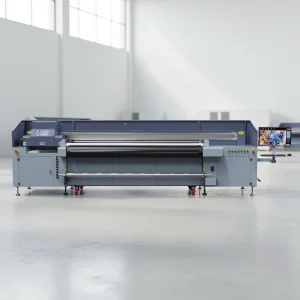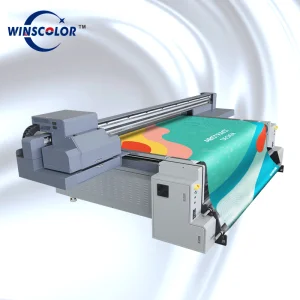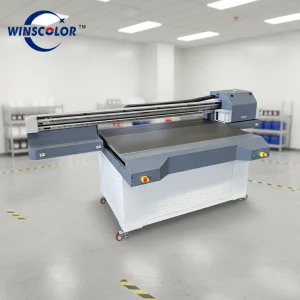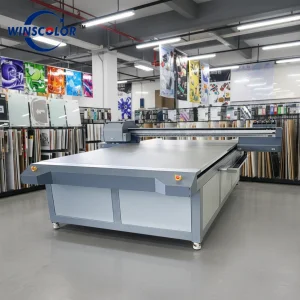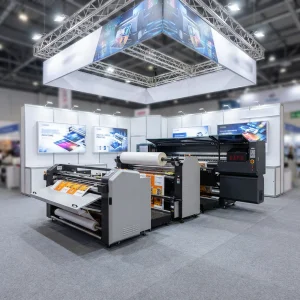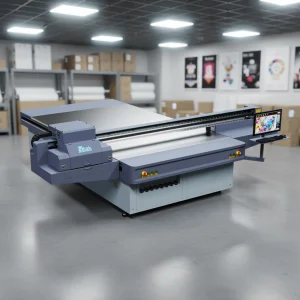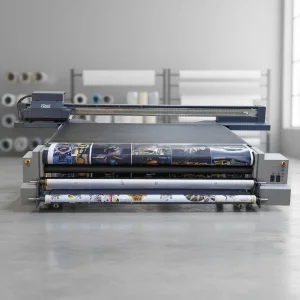
High-Quality Large Format UV Roll to Roll Printers YC3321R Hybrid Flex Banner Printing Machine Factory, Companies
View Specifications
Explore our heavy-duty, factory-direct flatbed, hybrid, and roll-to-roll machinery tailored for glass converters, precision fabricators, and large-scale industrial processing lines.

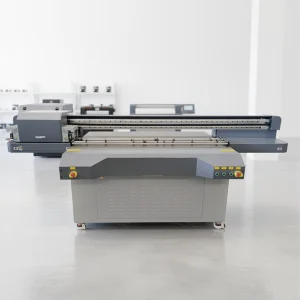
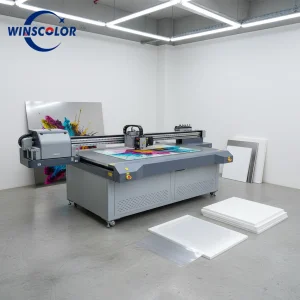
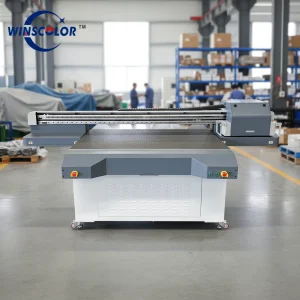
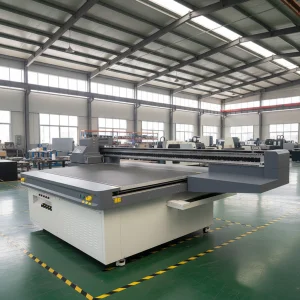
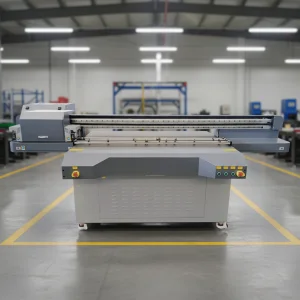
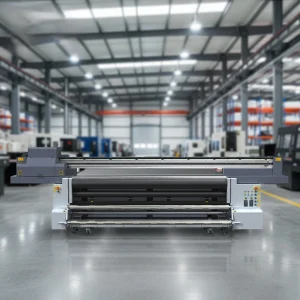
A comprehensive examination of how structural architecture, automotive glazing, and appliance fabrication have transitioned from legacy analog screen methodologies to digital on-demand drop-on-demand (DOD) precision systems.
Traditional screen printing requires prolonged stencil preparation, expensive physical screen inventories, massive setup wastage, and strict batch minimums. Industrial digital glass printers eliminate upfront plate costs entirely, allowing glass manufacturers to execute high-mix, zero-inventory runs with zero setup lag and instant turnaround on bespoke designs.
The global flat glass and architectural digital decoration segment is expanding at a projected CAGR of over 7.8% through 2032. Growth is fueled by dynamic regulatory mandates for energy efficiency (solar control dots and frit patterns), increasing demand for ventilated glass facades, and the automotive sector's surge in smart interior glass integration.
Understanding substrate dynamics requires distinguishing between UV-curable organic chemistries and inorganic ceramic ink firing. While UV flatbeds offer unmatched vibrant color gamuts and rapid tactile 3D finishes for indoor décor, ceramic frit printing followed by tempering permanently fuses inorganic pigments into the glass matrix for lifelong outdoor stability.
From monolithic curtain wall panels in extreme weather environments to smart interactive touch panels, discover how specialized glass printing platforms perform under strict industrial tolerances.
Exterior glazing demands rigorous solar heat gain coefficient (SHGC) management and bird-friendly warning patterns. Digital glass printers precisely deposit micro-dot matrices, graduated opacity bands, and dual-surface solar coatings onto jumbo-sized laminated and tempered architectural panels, resisting decades of intense UV exposure, acid rain, and thermal cycling.
Vehicle windscreens, panoramic sunroofs, and side lites require dense, black blackout perimeter bands to protect structural polyurethane adhesives from photochemical breakdown. Digital glass printing achieves opaque coverage, precise edge registration, and defect-free defrost line cutouts with instantaneous digital changeovers between OEM vehicle part numbers.
Induction cooktops, oven front panels, washing machine lids, and commercial refrigeration doors mandate exact resistance to abrasion, thermal shock, and household solvents. Using high-adhesion formulations and fine-pass multi-layering, our printers deliver crisp tactile capacitive touch icons, brand logos, and dead-front display windows directly onto chemically strengthened glass.
Interior design firms and commercial fit-out contractors utilize Winscolor systems for custom frameless shower cubicles, acoustic room dividers, backlit kitchen splashbacks, and ornate mirrors. Multi-layer print modes allow operators to apply White + CMYK + Selective Varnish simultaneously, creating frosted textures, etched mimics, and raised relief finishes without hydrofluoric acid etching.
Addressing the complex engineering obstacles of printing onto inorganic, non-porous glass surfaces through mechanical, optical, and chemical innovation.
Equipped with industrial Ricoh Gen6 piezo heads featuring continuous end-to-end fluid recirculation within the nozzle chamber. This prevents pigment sedimentation in high-density inorganic inks, eliminates air entrapment, and ensures consistent firing across high-speed drop volumes from 5pl to dynamic variable grey levels.
Glass is completely non-porous with high surface tension challenges. Winscolor platforms integrate automated atmospheric corona pre-treatment alongside selective digital inline primer delivery. This process modifies the molecular surface energy (dyne levels > 54 mN/m), ensuring permanent adhesion that surpasses cross-hatch tape and boiling water testing.
Architectural glass sheets can weigh hundreds of kilograms. Our systems feature honeycombed steel structural frames, high-power Japanese Panasonic servo assemblies, dual precision THK linear rails, and heavy-duty multi-chamber zoned vacuum flatbed beds capable of carrying glass plates up to 100 mm in thickness without mechanical deflection.
Purchasing an industrial printer is only one component of glass fabrication. Winscolor provides complete operational ecosystems designed to integrate seamlessly into existing washing, cutting, and tempering line architectures.
Achieving defect-free printing requires absolute surface purity. Our engineers consult on upstream automated de-ionizing air curtains, horizontal high-temperature demineralized glass washing machines, and cleanroom air handling setups to prevent dust inclusions that cause pinholing.
Glass changes how color transmits and reflects depending on ambient backlighting, double-glazing tint, and low-iron float glass selection. We equip our lines with specialized Onyx/Caldera RIP architectures and X-Rite spectrophotometer profiles, allowing true multi-layer white undercoats and overcoats with delta-E color consistency below 1.5.
Exporting to over 100 countries, Winscolor provides comprehensive on-site installation, mechanical calibration, technician operational training, and 24/7 cloud remote telemetry. Our factory holds vast inventory buffers for Ricoh printheads, linear encoders, UV power modules, and specialized inks for immediate dispatch.
In-depth technical answers drafted by Winscolor's senior industrial automation engineers to address pre-procurement, operational chemistry, and mechanical inquiries.
Explore our fast-curing UV flatbeds, rotary multi-axis setups, packaging solutions, and hybrid platforms optimized for diversified global fabrication facilities.