Industrial Digital Glass Engineering Whitepaper

Wholesale UV Printing On Glass Supplier & Product Solutions

Architectural facade glazing, bespoke luxury interior partitions, high-durability appliance panels, and high-throughput industrial glass flatbed digital printing systems.

Primary Industrial Equipment Line

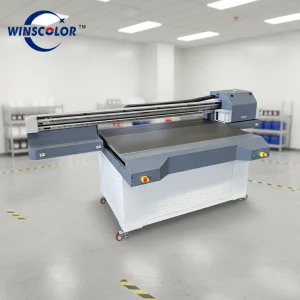
High-Precision UV Flatbed & Hybrid Printing Machinery

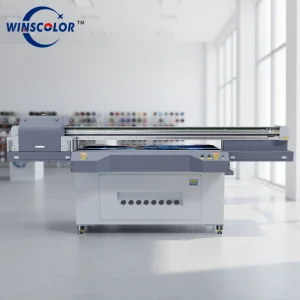
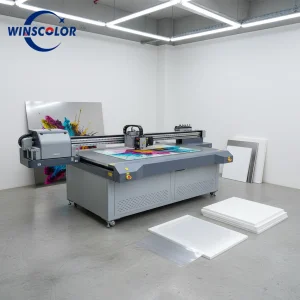
Direct-to-glass, industrial ceramic tile, aluminum, wood, and composite flatbed production platforms engineered with multi-zone zoned vacuum beds and precision piezo drop-on-demand drop control.


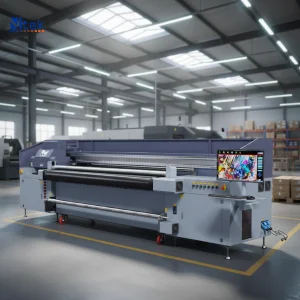
Wholesale UV Flatbed with Roll to Roll Printer

Wholesale UV Flatbed with Roll to Roll Printer Good quality Digital Large Format Aluminum Wood Glass Wallpaper Suppliers, Exporter

View Machinery Details
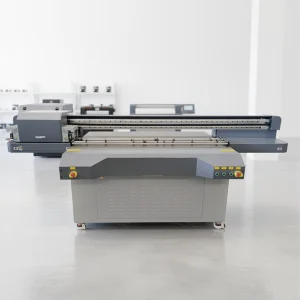
Small Digital UV LED Flatbed Printer

Wholesale Good Wholesale Best Price Small Digital UV LED Flatbed Printer for Ceramic Tiles Wood Manufacturer, Factories

View Machinery Details
Ntek YC2513R Flatbed and Roll to Roll UV Printer

Famous Ntek YC2513R Flatbed and Roll to Roll Machine UV Digital Printer Supplier, Factory

View Machinery Details
YC2500HR Banner Roll to Roll UV Printer

High-Quality Quality Inspection New Model YC2500HR Banner Roll to Roll UV Printer Supplier, Products

View Machinery Details
1610 Inkjet Flatbed UV Digital Printer

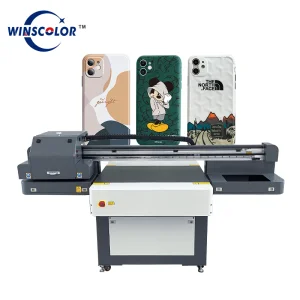
Wholesale 1610 Inkjet Flatbed UV Digital Canvas Cellphone Printer with Rotary Factory, Exporters

View Machinery Details
NTEK RS1900-E16 Digital Machine

NTEK RS1900-E16 Digital Printing Lamination Cutting Machine High Precision for Packaging Paper All-in-One for Custom Production Factories, Exporters

View Machinery Details
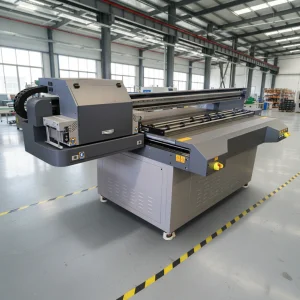
Industrial UV Printer 1610 Flatbed

High-Quality Factory making Industrial UV Printer 1600*1000mm 1610 UV Flatbed Inkjet Printer Manufacturers, Product

View Machinery Details
1610 UV Flatbed Printer Varnish 3D Effect

Famous 1610 UV Flatbed Printer Varnish 3D Effect LED Plastic Bottle Phone Case UV Printing Machine Ceramic Tiles Glass Digital Manufacturer, Suppliers

View Machinery Details
8.2%
Global CAGR (2024–2032)
5 pL
Ricoh G6 Droplet Precision
Class 0
ISO 2409 Cross-Cut Adhesion
100+
Export Dest. Countries
Industrial Status & Macroeconomics

Global Landscape of Industrial UV Digital Printing on Glass Substrates

The global transition from legacy screen printing and ceramic frit baking toward digital direct-to-substrate (DTS) UV curing systems represents a major paradigm shift in glass processing. Across architecture, high-end interior design, automotive glazing, and consumer appliances, industrial processors are replacing multi-step thermal tempering cycles with on-demand, plate-free UV LED digital inkjet deposition.

Historically, screen printing on float glass was hindered by long setup times, expensive mesh screen preparation, hazardous solvent evaporation, and rigid inventory liabilities. Today, our advanced UV flatbed platforms—operating under the Winscolor and NTEK engineering protocols in Jinan, China—enable print service providers and glass fabrication facilities to output photo-realistic 1440+ DPI graphics directly onto annealed, tempered, laminated, low-iron, and borosilicate flat glass panels in a single automated pass.

Regional Market Dynamics & Global Procurement Profiles

Industrial demand patterns for commercial flat glass UV printing vary distinctly across primary geographic sectors:

  • European Union & United Kingdom: Driven by stringent green building certifications (LEED, BREEAM), EU architecture firms demand low-VOC, energy-efficient UV LED curing systems for interior partitions, balustrades, and soundproof acoustic glass walls with zero solvent emissions.
  • North America (US & Canada): High adoption in residential customization, luxury shower stall doors, and kitchen backsplashes. Fabricators prioritize dual-zone heavy vacuum gantries capable of loading full-jumbo and architectural sheets up to 2500 × 1300 mm and 2000 × 3000 mm without deflection.
  • Asia-Pacific (APAC): Explosive growth in home electronic glass, consumer appliance facings (refrigerator door glass, induction hobs, microwave interfaces), and plate-free decorative building materials requiring high-speed Ricoh Gen6 industrial printhead carriages running multi-shift continuous duty cycles.
  • Middle East & GCC: Rapid infrastructure expansion demands sun-blocking micro-patterned decorative facade glass with high UV solar stability, scratch resistance, and hydrothermal weathering endurance under extreme climatic swings.

Zero Tooling & Make-Ready ROI

By eliminating screen engraving, emulsion washing, and mechanical plate changeovers, short-run architectural glass orders transition from cost-prohibitive to high-margin profit centers within 48 hours of installation.

Economic Advantage

Multi-Layer Tactile Texturing

Digital spot varnish layering deposits haptic relief, replicating optical frosted glass, stained cathedral glass, 3D water droplet simulations, and ADA-compliant Braille micro-structures with micron precision.

Haptic Value-Add

Hydrothermal Longevity

Specialized silane-coupling promoters create covalent chemical cross-links between the silicon dioxide (SiO₂) substrate and photoreactive acrylates, withstanding 100°C boiling tests and DIN EN ISO 2409 tape tests.

ISO Certified Adhesion
Chemical Physics & Motion Mechanics

Engineering Depth: Covalent Adhesion, Waveforms & UV LED Curing

Overcoming the non-porous, chemically inert nature of silica glass requires precision pre-treatment, targeted UV spectrum photoinitiator activation, and sub-micron gantry stability.

Float glass possesses a theoretical surface free energy of approximately 70–80 mN/m (dynes/cm); however, atmospheric moisture and organic contaminants rapidly reduce its real-world wetting tension to below 30 dynes/cm. Standard UV inks fail to wet such surfaces, resulting in beading, dewetting, micro-cratering, and delamination. Our engineering approach integrates chemical surface priming, dual water-chilled UV-LED arrays, and industrial piezoelectric drop-on-demand firing control.

Glass Processing Variable Standard Inkjet Attempt Winscolor / NTEK Industrial Engineering Standard Production Impact
Surface Chemical Priming Direct printing without pre-treatment Organosilane (γ-MPS) nano-molecular wipe or automated inline misting Class 0 (zero flaking) on DIN EN ISO 2409 cross-hatch scratch test
Printhead Technology Standard desktop / light-commercial heads Industrial Ricoh Gen6 (MH5320) Piezoelectric Printheads 5 pL minimum droplet volume, 50 kHz high-frequency jetting velocity
Curing Source High-heat Mercury vapor arc lamps Dual-zone wavelength-tuned 395nm UV LED Water-Cooled Lamps Substrate remains below 38°C; zero thermal micro-fracturing or warping
Layering Strategy Single pass CMYK only Simultaneous W+CMYK+Varnish or Triple-Layer Sandwich (Color-White-Color) High opacity for dual-aspect shopfronts, architectural daylight balustrades
Gantry Motion Control Belt-driven stepper rail Dual Japanese THK silent linear guides with Panasonic AC servo system Carriage positioning repeatability within ±0.01 mm over a 3.3 m bed

The Organosilane Chemical Bonding Mechanism

The silane coupling agent acts as an amphiphilic bridge. Hydrolyzable alkoxy groups bond with the silanol (-Si-OH) groups abundant on clean glass surfaces through condensation, forming durable -Si-O-Si- siloxane bonds. Concurrently, the organofunctional group (methacrylate or epoxy) copolymerizes with the free-radical monomers within the UV ink formulation during ultraviolet irradiation. This molecular anchor ensures the printed layer survives high humidity, bathroom condensation, thermal cycles, and alcohol-based surface cleaners.

Ricoh Gen6 Greyscale

Drop-on-demand jetting utilizes multi-drop greyscale pulses (5, 10, 15 pL), delivering smooth color gradients, deep dark tones, and razor-sharp typographic legibility on backlit glass displays.

LED Cool-Cure Arrays

395nm cold-cure UV LED emitters provide up to 16 W/cm² instantaneous curing intensity without infrared heat emissions, protecting annealed and laminated safety glass from thermal shock.

Segmented Vacuum Bed

Heavy-gauge honeycomb aluminum flatbed tables feature independently valved vacuum sectors, holding multi-hundred-kilogram glass sheets dead flat to prevent carriage contact and head strikes.

White Ink Circulation

Continuous secondary tank stirring and automated negative-pressure ink path recirculation prevent high-density titanium dioxide (TiO₂) particles from sedimenting, guaranteeing uninterrupted jetting.

Deployment Case Studies

Real-World Commercial & Localized Application Scenarios

From high-volume consumer appliance production to bespoke architectural commissions, discover how our UV printing hardware integrates into modern manufacturing facilities.

Architectural Facades & Skylights

Architects specify digital ceramic frit and high-density UV exterior inks for solar heat gain control, bird-friendly visual markers, and bespoke exterior glass curtain walls. Custom gradient densities can reduce indoor cooling loads by up to 32% while meeting modern aesthetic requirements.

Luxury Interior Glazing & Partitions

Frameless shower enclosures, sliding frosted partition doors, and office privacy glass benefit from synchronized "sandwich" printing (Color + White + Color). This enables different designs to be viewed from inside and outside with total optical opacity and vibrant color saturation.

Home Appliances & Smart Glass Panels

Appliance OEMs deploy our YC2513L and YC1610H flatbed platforms to manufacture high-gloss tempered glass facings for premium refrigerators, induction cooktops, range hoods, and smart thermostat touchscreens featuring capacitive switch iconography and light-masking borders.

Museum Showcase & Anti-Reflective Glazing

High-end cultural institutions and retail flagships use our multi-pass matte varnish deposition to reproduce archival historic panels, backlit diorama graphics, and decorative museum vitrines with zero optical distortion and tight colorimetric delta-E tolerances.

Kitchen Splashbacks & Wet-Wall Panels

Replacing traditional ceramic tiles, 6mm low-iron toughened glass backsplashes printed directly on reverse side ("second surface") are impervious to cooking oils, steam, and abrasive detergents. The cured ink layer acts as a built-in safety film backing.

Bespoke Art Glass & Textured Murals

Fine artists and luxury interior decorators utilize the multi-layer gloss varnish capability to build up tactile brushstrokes, simulated stained glass leading, and directional light refractors that transform flat float glass into dimensional architectural art installations.

Comprehensive Manufacturing Blueprint

Turnkey Industrial Glass Printing Production Workflow

A step-by-step engineering protocol designed to maintain defect-free yields, high adhesion ratings, and zero operational downtime in continuous production.

01

Deionization & Washing

Raw float or tempered glass sheets pass through an automated horizontal washer using deionized (DI) water (<5 μS/cm) and hot air knife drying, followed by static elimination bars to prevent airborne dust re-attraction.

02

Silane Surface Activation

Application of an organosilane chemical coupling agent via automated ultrasonic atomizing spray bars or lint-free microfiber buffing. Flash-off takes 60–90 seconds, raising the substrate surface tension to >52 dynes/cm.

03

Multi-Channel Jetting

The glass sheet is secured by the machine's multi-zone vacuum bed. Ricoh Gen6 printheads fire color, white, and varnish drops with ±0.01 mm positional accuracy under pneumatic negative pressure control.

04

UV-LED Dual Curing

Dual 395nm water-cooled LED arrays execute instant pinning and full radical photo-polymerization. The print carriage's height sensors automatically adjust clearance (1.0–1.2 mm) to eliminate aerodynamic mist deflection.

Technical Roadmap & Next-Generation Outlook

The future of digital glass decoration involves combining inorganic glass-ceramic frits with jetting chemistries that can be fired during glass tempering (680°C–720°C). Our Jinan R&D center is currently testing hybrid nano-sol formulations that merge the low-temperature curing speed of UV acrylates with the scratch resistance of ceramic silicates.

Concurrently, automated optical inspection (AOI) utilizing high-resolution line-scan cameras integrated directly onto the gantry carriage provides real-time closed-loop feedback. Defective nozzles, drop misdirections, or substrate dust specks are identified mid-print, allowing the RIP software to compensate and prevent wastage of high-value architectural laminated glass.

Technical Clarifications

Engineering FAQ: UV Flatbed Printing On Glass

Expert answers addressing ink adhesion, weatherability, mechanical configurations, and operational maintenance.

Why does UV ink peel off glass if no primer is applied?
Glass consists of an inorganic amorphous silicon dioxide matrix with a smooth, non-porous surface and natural adsorbed moisture. Organic UV curable resins are inherently hydrophobic and lack compatible functional groups to bond with raw glass. Applying an organosilane adhesion promoter creates strong covalent siloxane (Si-O-Si) chemical bonds between the silica surface and the polymer chains, achieving Class 0 adhesion on the ISO 2409 cross-cut tape test.
Can printed glass be tempered after digital printing?
Standard UV-curable inks are organic acrylate polymers that decompose at temperatures above 200°C–250°C and cannot withstand the 650°C–720°C temperatures of a glass tempering furnace. For UV-printed glass, the glass must be cut, edged, washed, and tempered FIRST. Once tempered, it is imaged on our UV flatbed printer. If pre-temper printing is mandatory, high-temperature ceramic frit inkjet printers must be deployed.
What is "Second Surface" printing and why is it preferred?
"Second surface" refers to mirroring the image and printing it directly onto the back face of transparent glass. When viewed from the front, the design is seen through the smooth, glossy glass substrate, which provides natural scratch resistance, UV blocking, and ease of cleaning for applications like kitchen backsplashes, shower walls, and museum displays.
How does white ink ink-path recirculation prevent nozzle dropouts?
White UV ink utilizes titanium dioxide (TiO₂) pigments, which are significantly heavier than organic color pigments and settle quickly if left stationary. Our industrial flatbeds feature continuous, automated white ink agitation inside the primary sub-tank, secondary printhead manifold recirculation, and timed automated flushing, preventing nozzle clogs and sediment buildup during continuous multi-shift production.
What is the outdoor lifespan of UV-printed exterior architectural glass?
When applied with an approved silane primer and protected by back-laminating with an EVA or PVB interlayer, high-grade automotive/architectural pigment sets achieve an outdoor lifespan exceeding 5 to 10 years without significant fading (Delta-E < 3.0). For direct outdoor exterior exposure, second-surface glass mounting protects the printed film against UV exposure, acid rain, and mechanical abrasion.
Why are Ricoh Gen6 printheads superior for glass flatbed printing?
The Ricoh Gen6 (MH5320) industrial printhead features an all-steel, isolated nozzle plate with high chemical compatibility against industrial UV-curable monomers. Capable of jetting variable droplet volumes down to 5 pL at a firing frequency of 50 kHz, it delivers smooth color blends and fine detail while maintaining consistent jetting performance across extended industrial run times.
How do you clean and maintain the printing table when loading heavy glass?
Our vacuum flatbeds are equipped with a pneumatic reverse-air float feature: by reversing the vacuum turbine blower, a high-volume micro-cushion of air is created beneath the glass panel. This allows an operator to float and align heavy sheets (up to 150 kg or more) without scratching the hard-anodized vacuum table surface or chipping the edges of the glass.
What RIP software configurations are used for multi-layer glass printing?
We configure our industrial printers with industry-standard RIP software platforms such as Onyx Graphics, Photoprint, or Caldera. These systems provide precise color management with native ICC profiling, spot color ink assignment for white and gloss varnish channels, and automated "sandwich" file preparation (Color-White-Color or White-Color-Varnish) in a single workflow.
Industrial Wholesale Inventory

Factory-Direct Large Format & Compact UV Printing Systems

Explore our complete catalog of industrial UV flatbeds, roll-to-roll hybrid systems, and small-format precision machines engineered for glass, ceramics, metals, and composite substrates.
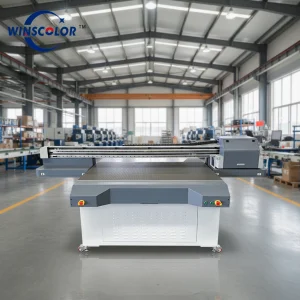
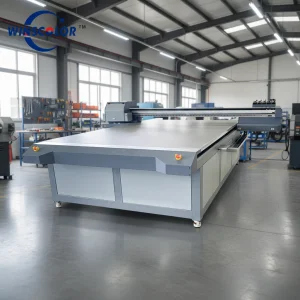
OEM ODM Digital LED UV Printer 1610

OEM ODM Factory Digital LED Printing Machine 1610 Flatbed UV Printer Manufacturers, Factories

View Machinery Details
2030 UV LED Flatbed Printer for Wood and Glass

Famous Best quality Uv Wood Printing Machine 2030 Uv Led Flatbed Printer Price Suppliers, Company

View Machinery Details
OEM Customized High Speed UV Flatbed

OEM OEM Customized High Speed High Precision Cup Stickers Box Aluminum Printing Machine UV Flatbed Printer Manufacturers, Suppliers

View Machinery Details
Small PVC Board UV Flatbed Digital Printer

NTEK ODM Factory Small PVC Board UV Flatbed Digital Printer Printing Machine for Aluminium Sheet Supplier, Suppliers

View Machinery Details
Famous 2030 UV Flatbed Printer

Famous Hot Sale Aluminum Acrylic Ceramic Dibond 2030 UV Flatbed Printer Suppliers, Exporter

View Machinery Details
Acrylic Metal Wood Glass LED UV Flatbed Printer

High-Quality Manufacturer of Acrylic Metal Wood PVC Board Glass LED UV Flatbed Printer Suppliers, Factories

View Machinery Details
Ntek UV 6090 Small Format Inkjet Flatbed

Wholesale Ntek UV 6090 Digital Small Format Inkjet Flatbed UV Printer Manufacturers, Supplier

View Machinery Details
Fast Drying Flat UV LED Digital Printing Machine

Wholesale Factory High Quality Fast Drying Flat UV LED Digital Printing Machine Pvc Board UV Printer Manufacturer, Company

View Machinery Details

Request Engineering Consultation & Custom Substrate Testing

Send our Jinan testing laboratory your glass substrate samples for free adhesion analysis, silane compatibility verification, and custom ICC profile calibration before placing your wholesale equipment order.