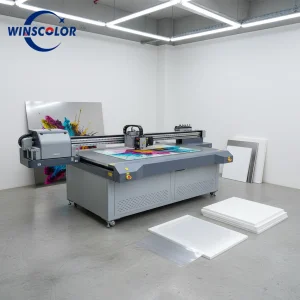
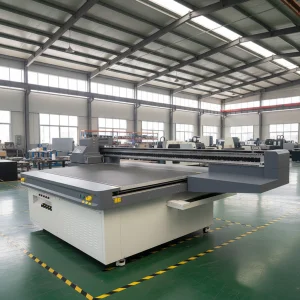
Explore our world-class industrial digital inkjet machines equipped with high-yield industrial piezoelectric printheads, integrated zoned vacuum handling, and dynamic LED curing systems designed for high-throughput architectural and decorative glass manufacturing.
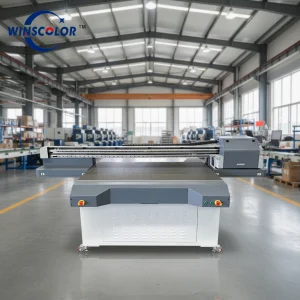
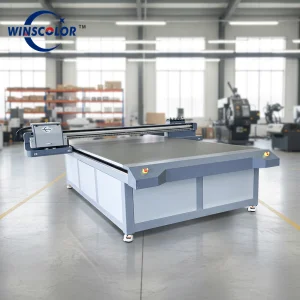
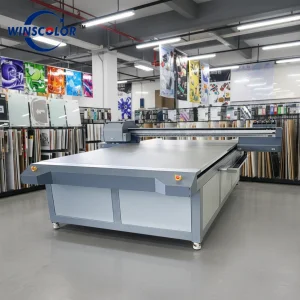
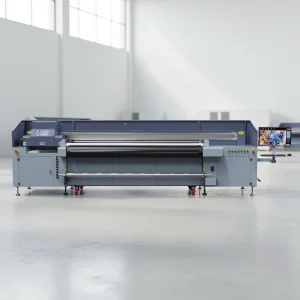
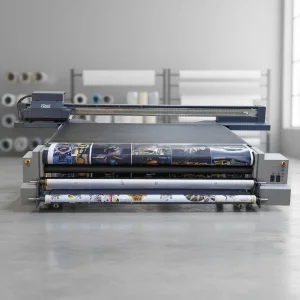
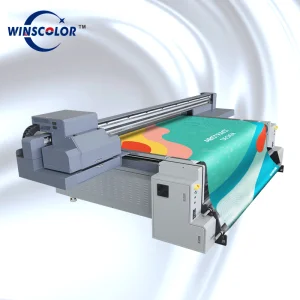
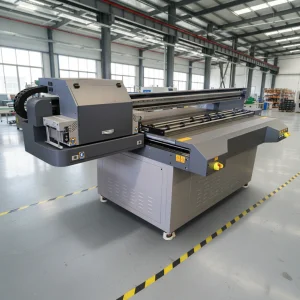
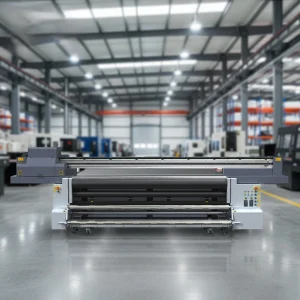
Global architectural and industrial decorative glass processing has shifted from analog screen stencil printing to digital UV curable drop-on-demand inkjet technology. Driven by architectural customization, short production cycles, and stringent zero-VOC environmental mandates, NTEK / Winscolor engineering delivers complete industrial hardware ecosystems.
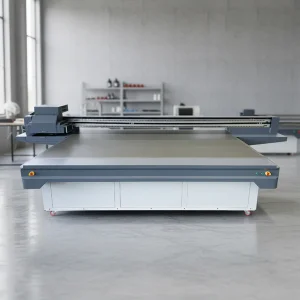
Architectural building envelopes demand solar heat gain coefficient (SHGC) control combined with bespoke aesthetic expressions. Our super-wide flatbed machines, such as the YC3321L and YC2030 series, apply variable micro-dot ceramic and UV-curable inks with micrometer-level mechanical repeatability across oversized structural panels up to 3300 × 2100 mm.
High Weatherability & UV ResistanceToughened glass splashbacks, induction cooktop surfaces, refrigerator display fronts, and washing machine control panels require pin-point visual precision, edge-to-edge optical black density, and high adhesion. Our high-precision YC2513L and YC1610 platforms maintain dynamic droplet stability on smooth, non-porous silica surfaces without pinholes or ink crawling.
High Chemical & Scratch ResilienceModern luxury interiors integrate textured visual and tactile elements. With specialized White + Color + Varnish synchronous multi-layer deposition, NTEK systems produce frosted privacy textures, relief 3D braille, and photorealistic stained-glass replication on shower enclosures, office partitions, and sliding acoustic glass doors.
Tactile 3D Relief & Selective GlossUnlike organic substrates, inorganic glass exhibits an exceptionally high surface energy and extreme smoothness, typically causing conventional ink droplets to reticulate, crawl, or delaminate under standard humidity fluctuations. NTEK UV flatbed machines eliminate this fundamental engineering challenge through an integrated tri-phase solution: precision automated plasma / nano-silane inline priming, multi-stage temperature-controlled substrate bed heating, and dual-cure UV-LED polymerization that locks ink morphology in place within milliseconds.
Printing on 5mm to 50mm heavy tempered glass plates requires ultra-rigid gantry mechanics, heavy-load zoned vacuum platforms, and fluid management systems capable of sustaining continuous 24/7 industrial factory output.
Milled on high-precision CNC portal systems, our frame undergoes high-temperature furnace annealing to relieve internal metal stresses, completely preventing long-term physical deformation when supporting 500+ kg glass sheets.
Zero Micro-Flex StructureEquipped with industrial 5-15 pL variable drop piezoelectric Ricoh Gen6 printheads. The ultra-fine drop formation reproduces complex photographic transitions, gradients, and skin tones with zero optical graininess.
Up to 50 kHz Firing FrequencyIndependent dual negative pressure loops for white ink and color channels maintain steady meniscus pressure at the nozzle plate. Auto-stirring and timed purge protocols stop heavy titanium dioxide pigments settling.
Anti-Sedimentation White LoopAdjustable wattage UV-LED light engines instantly cure UV glass inks while operating with cold radiation to avoid glass thermal expansion or thermal shock cracking during prolonged high-density multi-layer print runs.
Eco-Friendly Low Heat Emission| Machine Series | Bed Dimensions (X × Y) | Standard Printhead Options | Max Print Thickness | Throughput (Production Mode) | Optimal Substrate Scope |
|---|---|---|---|---|---|
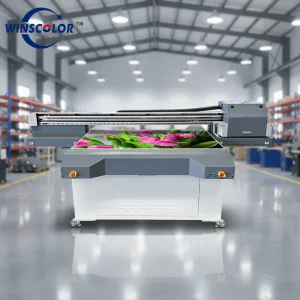
| YC1610H / L | 1600 × 1000 mm | Ricoh Gen5 / Gen6 (2–4 Heads) | 0–100 mm (Custom up to 200mm) | 18–28 m²/h | Bottles, Cosmetics, Kitchen Splashbacks, Sample Tiles |
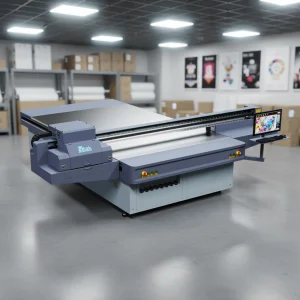
| YC2030H / L | 2000 × 3000 mm | Ricoh Gen6 (3–8 Heads) | 0–100 mm Standard | 35–55 m²/h | Full-Size Architectural Glass, Dibond, Jumbo Ceramic Tiles |
| YC2513L / H | 2500 × 1300 mm | Ricoh Gen5 / Gen6 (2–8 Heads) | 0–100 mm Standard | 25–45 m²/h | Commercial Signage, Table Tops, Furniture Glass, Acrylics |
| YC3321L / R | 3300 × 2100 mm | Ricoh Gen6 (4–12 Heads) | 0–100 mm Heavy Load | 45–75 m²/h | Structural Facades, Murals, Dual Rigid Sheets & Flex Rolls |
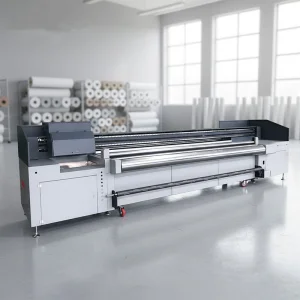
| YC3200HR Hybrid | 3200 mm Roll / Unlimited Sheet | Ricoh Gen6 / KM1024i | Up to 50 mm Conveyor Load | 50–85 m²/h | Continuous Hybrid Roll-to-Roll & Rigid Sheet Conveyor Flow |
As a recognized supplier and manufacturer (Jinan Yingcai Digital Technology Co., Ltd / Winscolor / NTEK), our export division serves Tier-1 printing firms, regional converters, and machinery importers in North America, the European Union, Southeast Asia, South America, and the Middle East with comprehensive compliance validation.
Every NTEK printer holds authenticated CE machinery and EMC directive compliance. Electrical cabinets are wired to industrial codes using Schneider relays, Omron switches, and shielded Igus drag chains to fulfill strict OSHA and European workplace electrical safety inspections.
Industrial Safety StandardsEvery printer undergoes a documented 72-hour continuous test burn-in at our Jinan plant prior to export. This protocol involves high-acceleration carriage stress cycles, multi-layer mechanical alignment checks, and optical density colorimetric spectrophotometer profiling.
Zero Out-Of-Box Failure TargetWe provide remote high-definition augmented diagnostic video assistance, rapid global dispatch of original Ricoh printheads, motherboards, raster encoders, and sub-tank pumps, along with regional engineer deployment across Europe, LATAM, and the Asia-Pacific territory.
24/7 Multi-Lingual Engineering HelpdeskWhile our flatbed equipment excels across wood, ceramic tiles, corrugated cardboard, acrylic, and aluminium composite sheets, NTEK's specialized glass series includes dedicated chemical priming routines, anti-static neutralization bars, and precise height adjustments for heavy non-standard glass products.
NTEK ink formulations are engineered to withstand PVB (polyvinyl butyral) and EVA (ethylene-vinyl acetate) autoclave lamination laminating temperatures exceeding 135°C without bubbling, degassing, or hue-shift, ensuring printed motifs remain encapsulated safely within automotive or architectural laminated panels.
Autoclave Heat ResistantTextured and fluted reed glass creates uneven drop heights. The long throw-distance jetting capability of Ricoh Gen6 printheads (up to 3.5mm–5mm stand-off gap) allows clean printing into fluted channels and patterned glass without nozzle misting or edge scattering.
Extended Drop Throw PrecisionUsing our precision 360-degree synchronized rotary fixture, models like the YC1610 easily transition from flat sheet prints to cylindrical glass drinkware, luxury perfume bottles, and pharmaceutical vials, laying down full wrap-around designs with precise seam alignment.
Continuous 360° Rotary IntegrationAs digital manufacturing converges with sustainable architectural requirements, NTEK's Jinan engineering lab continues to innovate across advanced ceramic frit inks, inline AI optical print monitoring, and carbon-reduced curing protocols.
Developing sub-micron glass-frit carrier formulations that fuse chemically into the silicate matrix during glass tempering ovens at 680°C–720°C. This breakthrough yields permanent, scratchproof, UV-impervious graphics with the lifetime durability of the glass itself.
Tempering Oven IntegrationNext-generation carriage-mounted line-scan CMOS cameras will monitor drop-in-flight formation and identify clogged or deviated nozzles in real time. The intelligent motion controller compensates instantly using adjacent nozzles on subsequent passes, eliminating banded prints on expensive structural glass.
Defect-Free Closed LoopBy splitting polymerization into initial surface pinning (low-intensity 365nm UV) and deep curing (high-power 395nm UV), we prevent micro-droplet coalescence on smooth glass while ensuring optimal molecular cross-linking through high-build 3D tactile varnish layers.
Dual-Band Dynamic LED CuringGet verified answers to common questions about ink adhesion, maintenance cycles, primer protocols, and workflow sizing directly from NTEK application engineers.
Glass is an inorganic non-porous silica substrate with high surface tension. Scratch-proof bonding (achieving Class 0/5B in cross-hatch adhesion testing according to ASTM D3359) relies on silane bonding primers. NTEK provides both wipe-on chemical primers and automated jet-spray primer channels that react chemically with silica molecules and polymerize seamlessly with UV curable monomers under LED light.
Yes. Because our machines support independent ink channel control for CMYK + Lc + Lm + White + Varnish, the RIP software can stack multiple white or clear varnish layers in a single pass. This produces raised tactile relief (such as wood grains, oil painting brushwork, and ADA-compliant Braille signage) as well as selective matte or gloss frosted privacy designs on clear float panels.
Ricoh Gen6 printheads deliver an increased jetting frequency of up to 50 kHz (compared to 30 kHz on Gen5) and produce smaller 5-pL minimum drop sizes. This provides roughly 35% higher throughput at 1200 dpi resolution. The steel nozzle plate structure is also highly resistant to corrosive primers and the abrasive cleaning required in high-volume glass processing lines.
NTEK industrial beds use high-pressure turbine suction blowers split into independently controlled chambers (typically 4 to 8 zones depending on table size, such as on the YC2513L or YC3321L). Retractable pneumatic registration pins allow square mechanical alignment, while an air-cushion float reverse blower function allows operators to maneuver multi-hundred kilogram glass sheets without scratching the table or glass undersides.
When primed and cured using our recommended settings, UV-printed panels pass 500+ hour humidity chamber tests and standard 100+ cycle MEK (methyl ethyl ketone) double-rub scrub tests. For wet environments like showers and swimming pool glass, we recommend printing on the second surface (reverse print) or using a secondary flood varnish or protective backing coat.
Standard industrial flatbed printers require clean 220V/380V ±10% AC power (dedicated industrial line with separate ground wiring < 4Ω). The ambient cleanroom environment should maintain 20°C–28°C (68°F–82°F) and 40%–65% non-condensing relative humidity to prevent electrostatic dust accumulation on the glass and maintain optimal ink viscosity in the printheads.
Expand your fabrication workshop capabilities with our multi-material flatbeds, large-format hybrid conveyor systems, and rotary printing solutions built for diverse industrial applications.