Engineered for high surface-energy calibration, micro-piezo drop accuracy, and seamless roll-to-sheet polymer production.
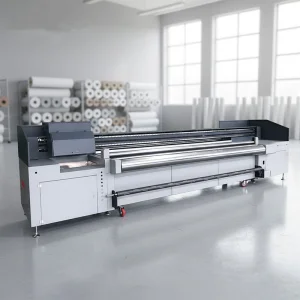

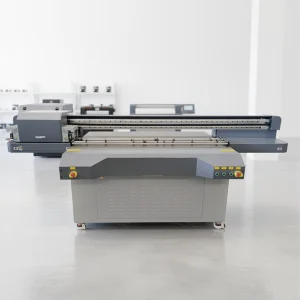


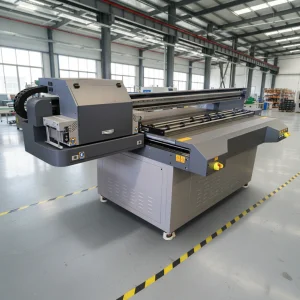
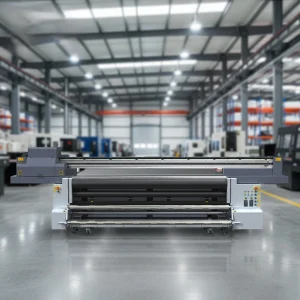
Strategic analysis of industrial inkjet adoption across OEM component decorating, consumer packaging, and membrane switch fabrication.
Procurement teams require verifiable surface wetting dynamics (Dyne/cm levels) across Polypropylene (PP), High-Density Polyethylene (HDPE), Acrylonitrile Butadiene Styrene (ABS), Polycarbonate (PC), and Acrylic (PMMA) without post-cure flaking.
Shift from traditional screen printing setups requiring expensive photopolymer stencils and prolonged drying racks to continuous UV-LED single-pass curation, trimming job changeovers from 45 minutes down to zero digital make-ready seconds.
Advanced enterprise procurement specs prioritize independent dual-negative pressure systems separating white ink recirculation loops from CMYK channels, preventing pigment settling and microscopic printhead nozzle clogs.
Procurement Trend Benchmark: Over 78% of Tier-1 manufacturing suppliers in consumer electronics, automotive interior panels, and rigid plastics are actively replacing analogue tampo/screen printers with modular NTEK UV flatbed and hybrid systems to satisfy short-run serialization, traceability matrix codes, and individualized product finishes.
Rigorous breakdown of ink polymerization mechanisms, cross-hatch testing protocols, and industrial chassis stability.
Printing directly onto polymer materials presents distinct chemical challenges: low surface energy (typically below 36 Dynes/cm in untreated Polypropylene and Polyethylene), chemical migration in plasticized PVC, and thermal distortion of thin films during UV exposure. NTEK flatbed and hybrid systems circumvent these hurdles through integrated engineering frameworks.
Integrated anti-static ionizing bars neutralize surface charges up to ±15kV before the carriage sweep, completely neutralizing ink-misting or satellite droplet deviations caused by static buildup on acrylic and styrene panels.
Dual water-cooled UV-LED curing assemblies emitting at precisely 395nm produce minimal infrared radiant heat, allowing safe processing of thermo-sensitive PVC film, low-density foam sheets, and thin polycarbonate membrane switches without warp.
Ricoh Gen6 printheads fire variable droplet volumes from 5pl to 15pl at high firing frequencies (up to 50kHz), providing photorealistic skin tones, micro-text clarity down to 2pt font, and deep optical saturation in high-speed passes.
| Polymer Substrate | Surface Energy (Dyne/cm) | Pre-Treatment Required | Adhesion Performance (ASTM D3359) | Recommended Ink Series |
|---|---|---|---|---|
| Cast Acrylic (PMMA) | 38 – 42 | Dust wipe / Alcohol clean | Class 5B (Zero peel) | Standard Industrial UV Rigid Ink |
| Rigid PVC / Foamex | 40 – 44 | Direct print (No chemical prep) | Class 5B (Zero peel) | High-Flex or Rigid UV Formulation |
| Polycarbonate (PC) | 42 – 46 | De-static ionizing pass | Class 5B (Superb micro-etch bond) | Industrial Thermo-Forming UV Ink |
| Polypropylene (PP) / PE | 29 – 32 | Plasma or Chemical Primer wipe | Class 4B – 5B (With primer base) | Polyolefin Primer + Flexible UV Ink |
| Acrylonitrile Butadiene (ABS) | 38 – 42 | Isopropyl wipe | Class 5B (Direct chemical cure) | High-Impact Industrial UV Ink |
From architectural cladding to high-speed electronics branding, NTEK printers integrate directly into automated workflows.
Layered deposition of flexible white ink behind translucent polycarbonate fascia panels. Our formulations withstand over 500,000 mechanical flex activations without micro-cracking, delaminating, or losing opacity.
Using stretchable elastomer UV inks capable of 200% elongation, vacuum-forming shops print detailed graphics onto flat polystyrene sheets prior to thermal mould stretching, ensuring distortion-free final contours.
Simultaneous inline gloss varnish deposition enables raised tactile 3D finishes, selective braille lettering, and anti-scratch sacrificial layers on injection-moulded ABS and TPU protective bumpers.
Pioneering the convergence of artificial intelligence, green chemistry, and ultra-high-speed digital output.
Real-time optical camera algorithms compensate for substrate expansion, slight manual placement tilts, and irregular cutouts, achieving ±0.03mm registration accuracy on irregular injection mouldings.
Next-generation dynamic LED irradiation arrays adjust radiant output precisely to carriage speed and dot density, cutting total electrical draw by 42% compared to standard metal-halide arc systems.
Development of zero-VOC, bio-derived photoinitiators compliant with the European Packaging and Packaging Waste Regulation (PPWR), safeguarding recyclability loops for rigid plastic containers.
Factory-level edge compute telematics stream real-time voltage profiles, negative pressure stability, and sub-micron linear guide vibrations, preventing costly line shutdowns before they occur.
Uncompromising safety, environmental certifications, and multi-tier service engineering across key regional hubs.
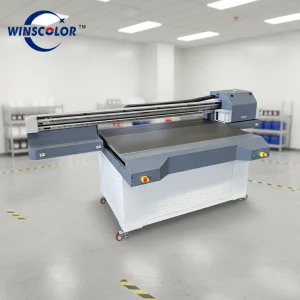
Every NTEK and Winscolor printing unit is rigorously audited and certified under CE (Machinery Directive 2006/42/EC and Low Voltage Directive 2014/35/EU), UL/CSA electrical design parameters, and FCC Class A emissions standards.
Inks and internal components comply strictly with EU RoHS 2.0 (2011/65/EU) and REACH SVHC criteria, ensuring no restricted heavy metals, phthalates, or dangerous aromatic solvents are transferred to food-contact or medical plastic packaging.
With localized parts depots and factory-certified field technicians established across North America, the European Union, Southeast Asia, and the Middle East, partners benefit from 24/7 video telemetry and 48-hour on-site dispatch.
Detailed insights compiled directly by senior ink chemists and mechanical integration engineers.
Explore production-proven equipment configurations designed for specialized rigid substrates and round plastic packaging.

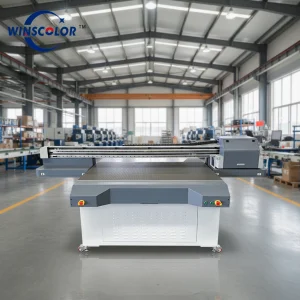
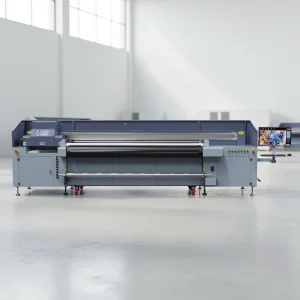





Request our engineering white paper, schedule live test printing on your specific polymer materials (ABS, PC, Acrylic, PP), or request a tailored capital expenditure (CapEx) and operational return-on-investment (ROI) analysis from our technical sales specialists.
