Industrial Digital Print Engineering

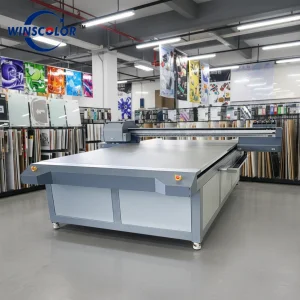
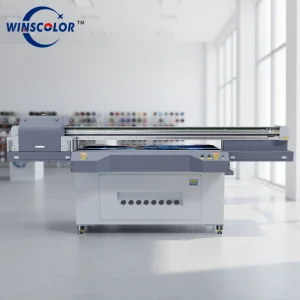
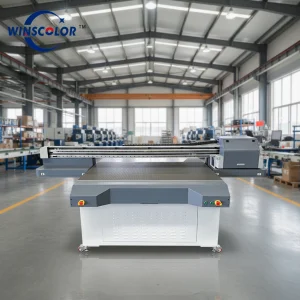
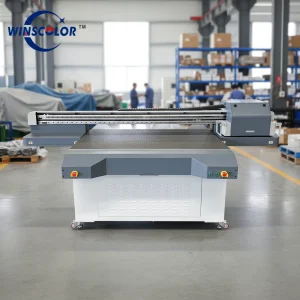
High-Quality Ceramic Tile Printer Manufacturer & Exporter

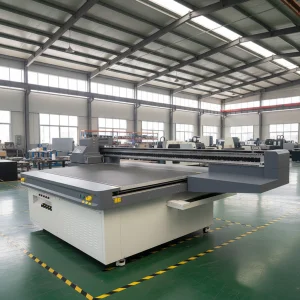
Pioneering high-adhesion piezoelectric inkjet engineering, inline tactile varnish textures, and continuous industrial flatbed systems for the international ceramic and architecture sector.

Primary Industrial Fleet

Industrial UV Ceramic & Slab Flatbed Systems

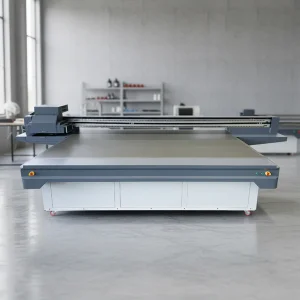
Engineered for direct-to-substrate decoration on ceramic, porcelain, crystallized glass, and architectural stone with micron-level drop deposition.
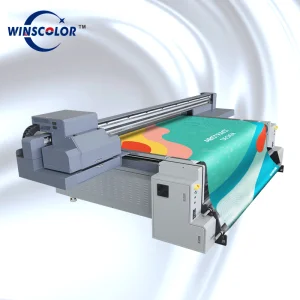
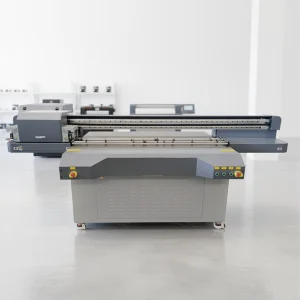
Ntek YC2513R Flatbed and Roll to Roll UV Printer
Famous Ntek YC2513R Flatbed and Roll to Roll Machine UV Digital Printer
View Equipment Specs
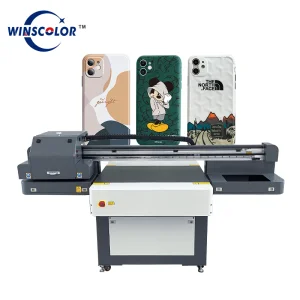
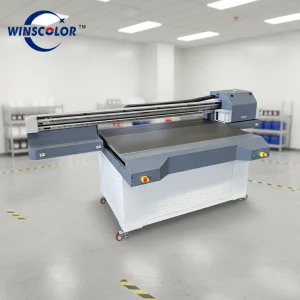
Wholesale 1610 Inkjet Flatbed UV Digital Printer
Wholesale 1610 Inkjet Flatbed UV Digital Canvas Cellphone Printer with Rotary
View Equipment Specs
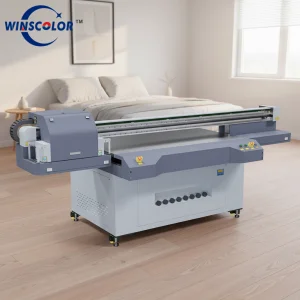
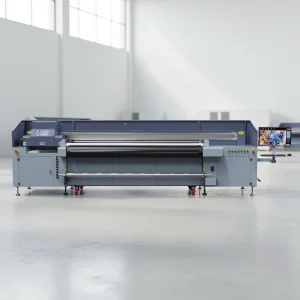
Wholesale UV Flatbed with Roll to Roll Printer
Wholesale UV Flatbed with Roll to Roll Printer Large Format Aluminum Wood Glass
View Equipment Specs
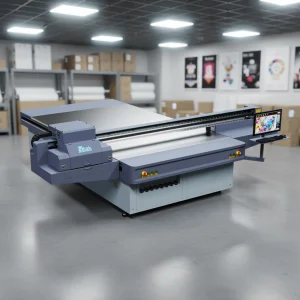
Large Format UV Inkjet Hybrid Flatbed Printer
High-Quality Large Format UV Inkjet Hybrid Flatbed Roller Printing Machine
View Equipment Specs
Ntek UV 6090 Digital Small Format Printer
Wholesale Ntek UV 6090 Digital Small Format Inkjet Flatbed UV Printer
View Equipment Specs
Professional Acrylic Glass UV Flatbed Printer
China Factory Professional Acrylic Glass UV Printer Bottle Printing Machine
View Equipment Specs
OEM YC2030 High Resolution UV Flatbed Printer
OEM YC2030 High Resolution UV Flatbed Printer Digital Printing Machine
View Equipment Specs
Large Format 2513 UV LED Digital Flatbed Printer
OEM Large Format 2513 UV LED Digital Flatbed Printer for Glass Ceramic Wood
View Equipment Specs
Global Market Analysis

The Industrial State of Global Ceramic Digital Printing

Analyzing structural transformations in the ceramic surface finishing sector: from analog rotogravure cylinders to agile high-resolution UV piezoelectric production.

Transition to Customization & Agile Manufacturing

The global architectural ceramics sector faces rapid shifts from mass commodity production to targeted, customized runs. Traditional analog cylinder rotogravure and silk-screen equipment require prohibitive tooling investments, requiring thousands of square meters to achieve amortized ROI. Direct-to-tile digital printing systems using drop-on-demand (DOD) industrial printheads have decoupled design setup from plate preparation, reducing turnaround from weeks to on-demand execution.

Sintered Stone & Slabs (Shorter Lifecycles)

With architectural preferences leaning toward large-format sintered stone (sintered porcelain slabs exceeding 3200 × 1600 mm), physical contact printing is obsolete due to slab warpage and breakage risks. Non-contact inkjet flatbeds ensure precision registration directly onto variable-caliper vitrified bodies, supporting seamless book-matched marble veining, raw concrete finishes, and intricate multi-panel compositions.

Strict Environmental & VOC Mandates

Environmental protocols like EU REACH, RoHS, and national clean air initiatives have placed scrutiny on solvent-based volatile emissions in tile decoration plants. Modern UV-LED curing technologies emit zero ozone, contain no heavy-metal solvents, and operate with low thermal profiles. This prevents thermal shock in glazed structural materials while cutting factory power consumption by up to 60% compared to traditional infrared curing tunnels.

Core Engineering Principles

Engineering Architecture: The Anatomy of High-Yield Ceramic Printers

Precision alignment, fluid dynamics, and adhesion engineering required to anchor inks to non-porous vitreous substrates.

1. Sub-Micron Motion Stability & Granite/Gantry Rigidity

Ceramic substrates exert immense dynamic loads on printer framing. Our heavy-duty chassis incorporates annealed high-tensile steel gantries with dual Japanese THK linear mute guides and dual-servo drive architectures. This prevents micro-vibrations across speeds up to 1.2 m/s, maintaining drop-placement accuracy within 3.5 picoliters across the entire bed surface.

  • Integrated heavy-duty vacuum zone management with automatic back-blow for effortless slab positioning
  • Optical linear scale feedback providing real-time ±0.005mm closed-loop positional registration
  • Anti-crash detection system featuring high-sensitivity inductive sensors safeguarding the printhead array

2. Advanced Piezo Printheads & Micro-Drop Modulation

Utilizing industrial Ricoh Gen6 (MH5320) gray-scale piezoelectric printheads, our systems achieve variable dot control (5pl to 15pl). Isolated ink channels with independent secondary sub-tank heating units maintain constant dynamic viscosity (8-12 mPa·s) regardless of ambient variations in heavy manufacturing environments.

  • Multi-channel independent negative pressure system for stable meniscus control during high-frequency jetting
  • Automated positive pressure purging cycle paired with automated wiping and capping stations
  • Active peristaltic white ink circulation preventing titanium dioxide sedimentation and nozzle clogging

3. Direct Adhesion Chemistry & Primer Integration

Printing directly onto smooth, glazed, non-porous vitreous enamel introduces interfacial surface energy challenges. Ceramic tile printing relies on specialized chemical primers containing silane coupling agents that form covalent bonds with inorganic silica structures, paired with specialized high-flexibility, cross-linking UV formulations.

  • Inline automated primer deposition system for micro-metered selective surface priming
  • Cross-hatch adhesion tested to ISO 2409 / ASTM D3359 Grade 5B on vitrified polished tile
  • Anti-scratch resistance exceeding Mohs 5 hardness post-application of high-solid UV glossy varnish

4. Structural Relief & 3D Tactile Emulation

Modern ceramic design is characterized by tactile depth. By combining multi-pass high-density UV white underbases with high-build varnish passes, our printing engines simulate stone veins, slate clefts, wood grain ridges, and glossy ceramic droplet glazes with tactile relief up to 2.5 mm in height.

  • Sync-jet technology allowing simultaneous deposition of primer, white, CMYK, and varnish in one pass
  • Custom grey-depth map processing via specialized architectural RIP workflow engines
  • Adjustable water-cooled LED array curing profiles for customizable gloss, matte, or textured finishes
Manufacturing Precision Metrics

Empirical Performance Benchmarks

Data verified under continuous multi-shift production cycles in global customer facilities.

±0.01mm
Mechanical Repeatability Accuracy
1200DPI
Maximum Native Optical Output
2.5mm
Max Embossed Tactile Relief Depth
100+
Global Export Destination Countries
Industrial Use Cases

Localized Application Scenarios in Modern Construction

Evaluating commercial integration paths across residential, commercial, and structural environments.

Feature Walls & Residential Murals

Precision split-printing across multiple individual porcelain panels to assemble monolithic, full-scale feature wall backdrops for high-end residential living rooms, boutique hotel lobbies, and master baths without pattern disruption.

Kitchen Countertops & Backsplashes

High-density printing on 12mm and 20mm thick sintered stone slabs for kitchen worktops and heat-resistant backsplashes. Chemical-resistant varnish topcoats prevent staining from cooking oils, acids, and detergents.

Commercial Hospitality Flooring

Production of branded, slip-resistant, and high-traffic-resistant ceramic flooring for airport concourses, transit terminals, and commercial shopping malls utilizing high-adhesion primer and abrasion-resistant over-curing profiles.

Historic Restoration & Custom Replicas

Precise colorimetry matches hand-painted, antique, or obsolete terracotta and majolica decorative tile styles. This supports historic landmark restoration with true historical fidelity without expensive mold tooling.

Architectural Signage & Wayfinding

Direct printing of high-contrast, UV-stable wayfinding graphics, subway station identifiers, and public utility maps on durable ceramic panels, offering natural flame resistance and anti-graffiti cleanability.

Turnkey Operational Deployments

Macro Industrial Solutions for Manufacturing Plants

Bridging the gap between standalone digital flatbed equipment and integrated industrial production lines.

Inline Conveyorization & Robotic Handling

For high-volume plants, we supply hybrid flatbeds featuring automated roller feeds and industrial vacuum conveyor belts. These systems integrate with automated robotic loading arms, alignment pushers, and post-cure quality-inspection scanners for 24/7 continuous tile output.

Complete Color Management & Profiling

Our software engineers configure customized ICC color profiles matching natural stone, marble (Calacatta, Carrara, Nero Marquina), and wood grains. Linear spectrophotometer calibration ensures color consistency between separate shifts, runs, and international plants.

Turnkey Chemical & Adhesion Formulation

We deliver end-to-end fluid protocols. Every machine package includes optimized ceramic primers, anti-static cleaning reagents, specialized pigment sets, and high-wear clear coats certified to meet wet-pendulum slip and stain tests.

Forward Engineering Horizon

Technology Roadmap: The Future of Ceramic Inks & Systems

How our engineering team is addressing next-generation demands in throughput, glaze chemistry, and generative design integration.

Hybrid High-Temperature Inorganic Sol-Gel Inks

Development of print engines capable of ejecting nano-ceramic pigment sol-gel formulations that withstand post-print firing at 1000°C–1200°C. This fuses pigments into the vitrified glaze for lifelong outdoor architectural durability.

Generative AI Pattern Synthesis & Automated Book-Matching

Integrating algorithmic pattern generators directly into machine RIP pipelines. This allows automated synthesis of non-repeating natural marble veins across unlimited consecutive slabs, eliminating repetitive visual tiling artifacts.

Ultra-High-Frequency Single-Pass Architectures

Transitioning from multi-pass gantry architectures to fixed, high-density multi-head arrays. This enables high-speed single-pass ceramic printing exceeding 50 linear meters per minute on fast-cycle continuous porcelain tile lines.

Technical Clarifications

Frequently Asked Questions

Direct technical and operational answers for ceramic manufacturers, procurement managers, and plant supervisors.

How do you guarantee ink adhesion on smooth, non-porous vitreous ceramic tiles?
Adhesion on non-porous ceramics relies on a combination of mechanical preparation and chemical coupling. Our workflow utilizes specialized silane-based chemical primers applied via automated micro-spray or manual wipe. The primer forms chemical bonds between the silica molecules in the ceramic glaze and our cross-linking UV photopolymer ink system. When cured under controlled-spectrum UV-LED radiation, prints achieve Grade 5B adhesion under ISO 2409 / ASTM D3359 cross-hatch tape-pull testing.
Can digitally printed ceramic tiles withstand wet areas and chemical cleaning agents?
Yes. With an inline or post-cure application of industrial ceramic gloss or matte varnish, cured surfaces resist humidity, prolonged water immersion, and household cleaning chemicals (ammonia, mild acids, and bleaches). For constant-submersion applications (such as swimming pools), we recommend our post-print thermal seal or liquid glaze coating process.
What is the typical production cost per square meter for UV-printed tiles?
Production costs depend on ink coverage and whether white ink and varnish channels are active. For standard 100% CMYK coverage, ink consumption averages 10 to 12 ml per square meter, translating to approximately $0.45 to $0.70 USD per m² in fluid costs. Full textured relief utilizing a dense white underbase and high-gloss varnish layer consumes 25 to 40 ml per m², typically costing $1.50 to $2.80 USD per m².
What is the mechanical lifespan and duty cycle of the Ricoh Gen6 printheads on our machines?
Industrial Ricoh Gen6 (MH5320) piezo printheads are engineered from isolated metal-piezo structures designed for heavy duty cycles. Under proper maintenance protocols—including daily capping, automated degassing, regular negative pressure stabilization, and use of OEM-filtered inks—Gen6 printheads routinely achieve lifetimes of 3 to 5 years under 2-shift daily industrial operations.
How does the printer handle substrate caliper variance and uneven tile surfaces?
Our flatbed systems incorporate high-precision automated media height measurement systems utilizing dual laser sensors. The carriage carriage automatically detects substrate thickness up to 100 mm (customizable up to 400 mm). The heads maintain an optimal 1.5–2.0 mm drop distance, accommodating surface variations found across rustic or non-rectified ceramics while anti-crash sensors protect printheads from warped edges.
Multi-Format Expansion Units

Extended Production Portfolio: High-Duty Flatbed & Hybrid Units

Flexible platforms engineered for rigid slabs, architectural facades, and mixed roll-to-roll substrates.

Wholesale Large Format Printing Machine Mural Banner Flatbed
Wholesale Large Format Printing Machine Mural Banner Flatbed Printer
View Equipment Specs
High-Quality Factory Industrial UV Printer 1610
High-Quality Factory Making Industrial UV Printer 1610 UV Flatbed Inkjet
View Equipment Specs
Famous Large Format Digital Multifunction UV Hybrid Roller Printer
Famous Large Format Digital Multifunction UV Hybrid Roller Printing Machine
View Equipment Specs
OEM Customized High Speed High Precision UV Flatbed Printer
OEM Customized High Speed High Precision UV Flatbed Printer Manufacturers
View Equipment Specs
NTEK Small PVC Board UV Flatbed Digital Printer
NTEK ODM Factory Small PVC Board UV Flatbed Digital Printer for Aluminum
View Equipment Specs
OEM ODM Digital LED Printing Machine 1610
OEM ODM Factory Digital LED Printing Machine 1610 Flatbed UV Printer
View Equipment Specs
NTEK Ceramic Glass UV Printer Manufacturer
NTEK China Wholesale Digital UV Printing Machine Ceramic Glass UV Printer
View Equipment Specs
NTEK Large Format Digital Inkjet UV Flatbed with Roll to Roll Printer
View Equipment Specs

Consult with Our Senior Digital Print Engineers

Evaluating a new tile decoration line, switching from analog silk-screen machines, or scaling sintered slab printing capacity? Our engineering and applications team provides tailored equipment configurations, chemistry protocols, and ROI analysis.

Request Engineering Consultation