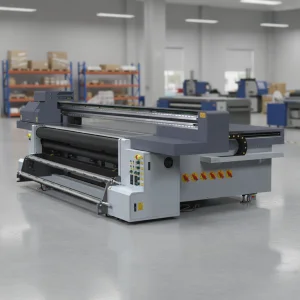
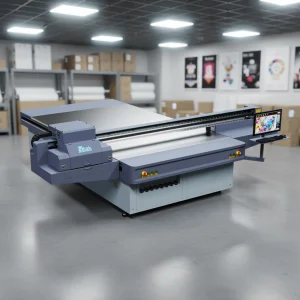
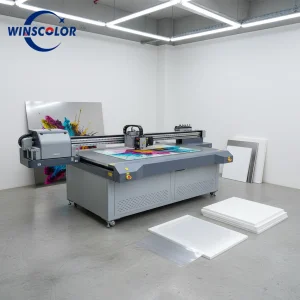
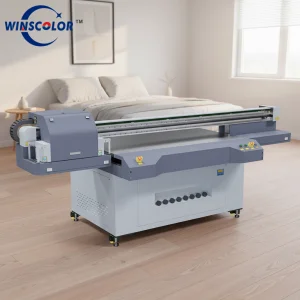
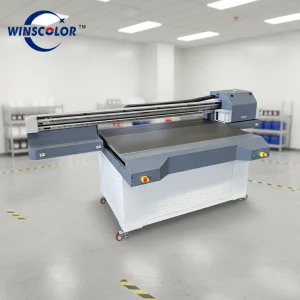
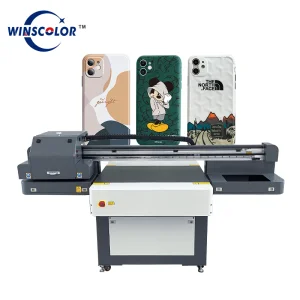
Explore our flagship industrial printing platforms calibrated for micron-level ink deposition on optical-grade acrylic, aluminum composite sheets, corrugated packaging, and heavy architectural panels.
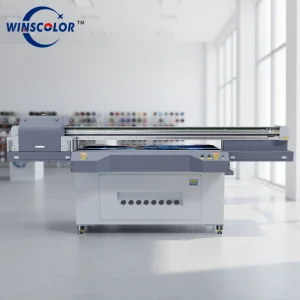
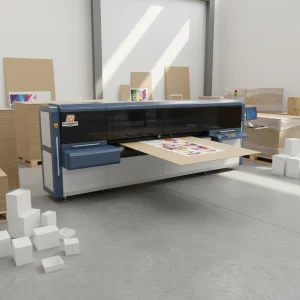

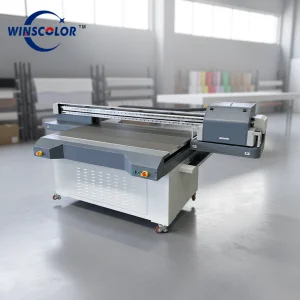
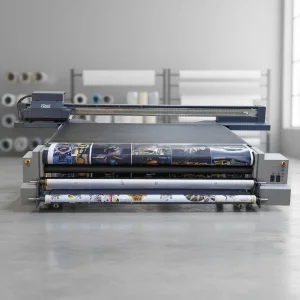
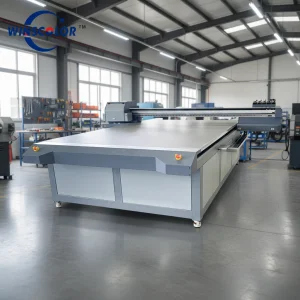
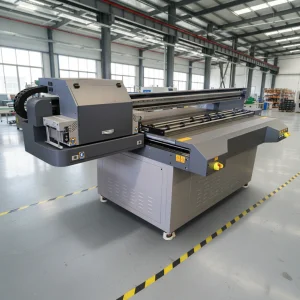
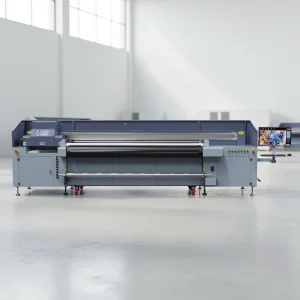
The worldwide transition from analog screen printing and vinyl lamination to high-precision direct-to-substrate digital UV inkjet systems has redefined throughput economics, environmental compliance, and architectural fabrication capabilities.
Global manufacturing networks across North America, the European Union, and East Asia are aggressively replacing solvent-based laminations with direct-to-acrylic UV LED curing. This eliminates secondary mounting processes, shrinks lead times from days to hours, and mitigates delamination risks under outdoor ultraviolet radiation and thermal stress.
Modern visual merchandising and luxury brand retail chains demand extreme short-run versatility. Digital acrylic flatbed printing enables instant setup without physical screens or plates, allowing industrial print shops to achieve profitable margins on prototype batches as low as a single sheet, scaling smoothly into 24/7 continuous industrial shifts.
With tightening REACH, RoHS, and EPA volatile organic compound limits, manufacturers are ditching screen wash chemistry. High-solids, eco-friendly UV-curable inks cure instantly via cold LED radiation, producing zero ozone, negligible thermal deflection, and creating safe operating shop floors with reduced carbon footprints.
Achieving museum-grade color saturation and industrial surface cross-hatch adhesion on cast or extruded polymethyl methacrylate requires rigid mechanical stability, calibrated ink rheology, and precise waveform synchronization.
Equipped with industry-standard Ricoh Gen6 and Gen5 piezo printheads, our carriages dispense variable droplets from 5pl to 18pl at high firing frequencies up to 50 kHz. This multi-drop grayscale firing guarantees perfectly smooth skin tone transitions, crisp 2pt micro-text, and dense solid color blocks without banding.
Carriage jitter is the primary culprit of micro-defects on glossy acrylic. Our platforms feature heavy-duty annealed steel frames, dual Japanese THK linear mute guides, and high-resolution optical metal linear encoders. This guarantees bidirectional registration repeat accuracy within ±0.02 mm over continuous production cycles.
High-gloss acrylic sheets easily warp under ambient room temperature variations. Our precision hard-anodized honeycomb vacuum beds utilize segmented turbine suction zones. Operators can lock down lightweight 2mm sheets or 50mm heavy blocks without mechanical clamps, preserving perfect optical flatness across the print area.
Leading digital print shops harness optical clear coatings, high-opacity white barriers, and multi-layer drop-on-demand techniques to engineer high-margin tactile surfaces and backlit masterpieces.
Transparent acrylic achieves stunning visual depth via multi-layer synchronous jetting: Color + White + Blackout + White + Color. In a single carriage pass, our printheads deposit double-sided distinct imagery with an opaque barrier layer in between, essential for premium double-sided window graphics and backlit lightboxes.
By jetting multi-pass high-viscosity UV white ink topped with structural clear varnish, the printer creates physical tactile textures up to 2.5 mm high. This meets ADA (Americans with Disabilities Act) compliance standards for tactile signage and creates luxury wood-grain, leather-grain, and oil-painting impasto textures on flat acrylic.
Dual UV-LED independent curing channels allow real-time control over varnish solidification kinetics. High-intensity immediate UV exposure produces an ultra-glossy, mirror-like finish that simulates glass glazing, while delayed lower-intensity curing results in a soft, non-glare satin matte surface with high scratch resistance.
From architectural light diffusers to mission-critical aerospace control panels, direct acrylic printing delivers structural durability, weatherability, and vibrant optical transmission.
High-durability decorative panels for luxury hotel interiors, corporate headquarters, and museum display partitions. Utilizes high-adhesion primer and multi-layer clear protective coatings to withstand cleaning chemicals and UV degradation.
Cosmetics pedestals, high-end perfumery glorifiers, and edge-lit LED displays requiring pristine optical clarity. High-opacity white ink bases prevent ambient backlight bleeding, maintaining strict brand Pantone color accuracy.
Reverse-printed industrial control fascias, medical appliance panels, and consumer electronics overlays. Printing on the sub-surface of transparent PMMA or polycarbonate protects the graphics from surface scratching and moisture ingress.
Thick freestanding acrylic awards, museum photographic face-mounts, and corporate recognition plaques. Supports direct deposition on media up to 100mm (or custom 400mm) thickness with seamless depth and micro-gradient precision.
Polymethyl Methacrylate is chemically non-porous with a low surface energy (typically 38-42 dynes/cm). Maximizing cross-hatch adhesion and resisting industrial alcohol wipes requires a scientific workflow approach.
Acrylic attracts massive static charges during unmasking (up to 20,000V). Our integrated active anti-static bars flood the surface with balanced positive and negative ions, eliminating ink fly, droplet deflection, and airborne dust contamination.
For demanding outdoor or humid environments, an inline wipe or automated spray of acrylic-specific coupling agents modifies surface wettability, raising surface energy above 52 dynes/cm for permanent covalent ink bonding.
Our dedicated RIP color engines utilize customized ICC curves and linearized voltage waveforms specifically tuned to ink droplet surface tension, optimizing dot gain and avoiding edge feathering on slick acrylic sheets.
Water-cooled 395nm UV-LED curing lamps deliver controlled radiant exposure. This cures the photoinitiator system completely from core to surface without causing substrate yellowing, acrylic brittleness, or internal thermal strain.
As additive manufacturing principles merge with 2D digital printing, next-generation acrylic printing engines are incorporating artificial intelligence, robotic substrate handling, and bio-based resin systems.
Crucial technical answers regarding ink adhesion, maintenance regimens, head configurations, and operational ROI compiled by Winscolor senior technical specialists.
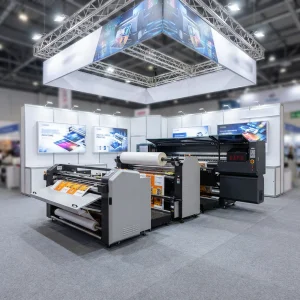
Explore our extended industrial machinery portfolio designed for high-resolution packaging conversion, rigid board signage, roll-to-roll hybrid flexibility, and custom fabrication.