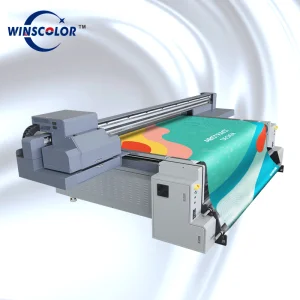
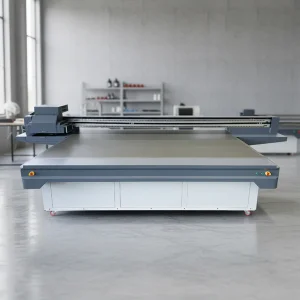
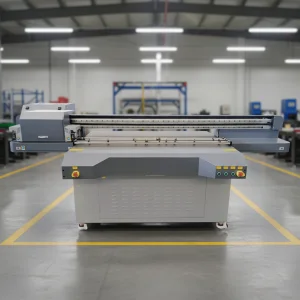
The commercial and industrial printing landscape across Australia is encountering a structural transformation. Amid rising national freight costs, supply chain disruptions, and escalating wage pressures under modern award standards, domestic manufacturers are aggressively replacing conventional pad and screen printing lines with decentralized, highly automated digital flatbed systems. The YC6090 UV flatbed printer has emerged as the definitive industrial standard for small-to-mid format digital production across Sydney, Melbourne, Brisbane, Perth, and Adelaide.
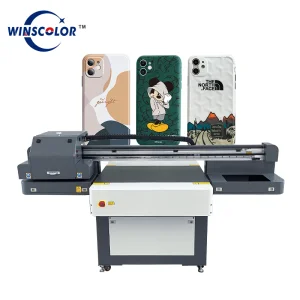
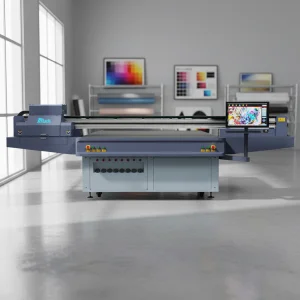
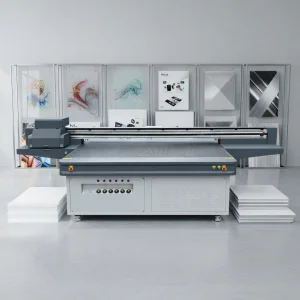
Historically, short-to-medium runs of promotional items, industrial control panels, safety compliance plates, and bespoke merchandise incurred prohibitively high pre-press plate manufacturing costs, solvent drying delays, and excessive volatile organic compound (VOC) compliance burdens. The YC6090 platform bridges the critical operational gap between entry-level consumer desktop printers and multi-million-dollar high-capacity conveyor flatbeds. Operating on a net print footprint of 600 mm × 900 mm, with media depth clearance exceeding 150 mm to 200 mm, the system delivers high-precision drop-on-demand ink delivery directly onto timber, anodized aluminum, cast acrylic, glass, and composite polymer substrates.
Australia holds some of the highest manufacturing wage rates globally. The YC6090 negates labor-intensive setup processes, allowing a single operator to manage pre-flight RIP rasterization, jig alignment, and instant UV-LED curing in continuous single-piece workflows.
With major retail, events, and commercial headquarters centralized across Eastern Seaboard metropolises, print service providers (PSPs) leverage the YC6090 for same-day prototyping and micro-batch on-demand manufacturing without plate turnaround latency.
Printed assets in Australia face severe UV radiation (UV indices exceeding 11+ in summer months). YC6090 industrial LED inks deliver superior lightfastness, scratch resistance, and chemical durability without mandatory secondary liquid lamination.
The YC6090 platform is engineered around precision high-frequency piezo printheads. Configurations with Ricoh Gen5i / Gen6 allow ultra-high throw distance jetting (up to 12 mm without satellite drop deflection), making it unmatched for curved surfaces, embossed phone cases, and contoured industrial parts. Variable drop volume algorithms ranging from 2.5 pl to 12 pl ensure imperceptible skin tones, micro-text clarity down to 2 pt font, and smooth solid block fills.
Unlike lightweight aluminum extrusion frameworks prone to vibration harmonics, the YC6090 utilizes a high-rigidity annealed steel beam paired with dual Japanese THK or Hiwin linear silent guide rails. Integrated with high-resolution Leadshine or Panasonic AC servo motors, mechanical dot registration maintains sub-micron positional repeatability across millions of passes.
| Performance Parameter | YC6090 Industrial Benchmark | Standard Commercial Competitors | Operational Impact for AU Plants |
|---|---|---|---|
| Effective Bed Dimensions | 600 mm × 900 mm (Z-clearance: 200 mm) | 500 mm × 700 mm (Z-clearance: 100 mm) | Accommodates bulk jigs, deep crates, and luggage boxes |
| Curing Technology | Dual Water-Cooled Multi-Spectrum LED-UV | Single Air-Cooled UV Lamp / Mercury Arc | Zero substrate heat distortion on thin PVC & acrylics |
| Ink Channel Architecture | CMYK + Lc + Lm + White + Varnish / Gloss | CMYK + White only | Enables tactile 3D embossing, braille, and spot varnish |
| Z-Axis Drive Mechanism | Double Precision Industrial Ball Screw | Single Lead Screw or Timing Belt | Prevents bed skew under heavy slate, steel, and timber loads |
| White Ink Maintenance | Continuous Motorized Stirring + Circulation | Manual Shaking / Intermittent Purge | Eliminates titanium dioxide sedimentation & nozzle clogs |
Operating industrial equipment within Australian premises requires strict conformity with the Regulatory Compliance Mark (RCM) and the Electrical Equipment Safety Scheme (EESS). YC6090 units are equipped with certified power supplies, proper earthing, emergency stops, and low-voltage internal controls conforming to AS/NZS 62368.1 and AS/NZS CISPR 32 for electromagnetic compatibility (EMC).
Under state SafeWork guidelines (SafeWork NSW, WorkSafe Victoria, Workplace Health and Safety Queensland), worker exposure to harmful VOC emissions and ozone must be minimized. The LED-UV curing systems on the YC6090 generate targeted UV wavelengths (385 nm–395 nm) with zero ozone generation, minimal heat radiation, and enclosed carriage covers with UV safety glass shielding.
Winscolor ink formulations for the YC6090 adhere strictly to international RoHS and European REACH environmental benchmarks, free from toxic heavy metals and halogenated hydrocarbons. Australian corporate procurement officers increasingly demand certified low-chemical impact printed goods for educational and healthcare institutions.
In resource-rich sectors across Western Australia (Pilbara) and Queensland (Bowen Basin), asset identification plates must withstand extreme heat, diesel splatter, and abrasive red dust. Printing directly onto stainless steel, brass, and coated aluminum using specialized metal primers enables rapid production of heavy-duty valve tags, switchboard legends, and emergency evacuation schematics.
Australia's premium wine valleys (Barossa, Margaret River, Yarra Valley) demand hyper-exclusive small-run presentation boxes, direct-on-timber gift crates, and 360-degree cylindrical direct printing on glass and stainless steel tumblers using the YC6090 rotary chuck attachment. High-gloss tactile varnish provides embossed brand emblems that mimic expensive traditional die-stamping.
Commercial interior fitouts in Sydney and Melbourne commercial towers frequently specify custom graphic treatments on acoustic PET felt panels, timber baffles, and electrical faceplates. The 200 mm clearance of the YC6090 allows finished architectural joinery components to be directly placed onto the vacuum bed for spot decorative UV print application.
On a macro-industrial scale, digital UV inkjet technology is capturing market share from legacy offset and screen operations at a compounded annual growth rate (CAGR) surpassing 6.8% internationally. While the European market is characterized by centralized, massive-format production hubs, the Australian geography dictates a decentralized "hub-and-spoke" model. Shipping bulky rigid products across the Australian continent (such as transcontinental freight from Melbourne to Darwin or Perth) is economically inefficient and carbon-intensive.
Consequently, Australian businesses are implementing distributed micro-manufacturing centers powered by small-format industrial units like the YC6090. This strategy mirrors trends in regional North America and Scandinavia, where localized print factories produce finished signage, gifts, electronics housings, and machine labels precisely where they are consumed.
Australian federal policy frameworks (including the Modern Manufacturing Strategy) have placed significant emphasis on domestic resilience. In-house digital flatbed printing reduces dependence on overseas Asian print-broker shipments for safety components, defense identification tags, and medical equipment front-plates.
Australia's 2025 National Packaging Targets drive a major push toward recyclable timber, bio-polymers, and circular cardboard. The YC6090 adapts seamlessly to varied substrate surface energies without requiring petroleum-based laminates, directly supporting corporate ESG compliance metrics.
Forthcoming iterations of the YC6090 architecture incorporate top-mounted stereoscopic camera arrays. Utilizing edge computer vision algorithms, the machine automatically scans randomly placed irregular objects on the vacuum bed, offsets the print coordinates dynamically, and executes micro-dot registration without needing physical acrylic jigs.
Given Australia’s vast geographical distances, on-site service calls across regional Victoria or Western Australia require intelligent remote diagnostic support. YC6090 systems now integrate IoT telemetry that logs nozzle firing status, negative pressure variations, LED temperature thermal maps, and wiper blade cycles for preventative remote servicing.
With Australian commercial electricity tariffs among the highest in the OECD, the YC6090 R&D team continues to optimize high-reactivity photoinitiators. These next-gen photoinitiators cure under 30% less LED wattage output, delivering reduced kWh energy bills and zero heat degradation on ultra-sensitive 0.2 mm films.

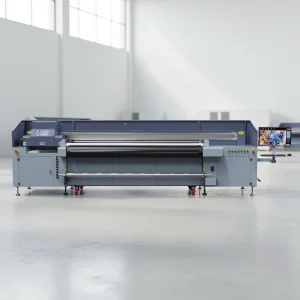
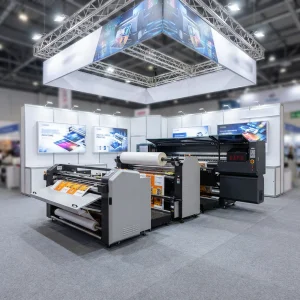
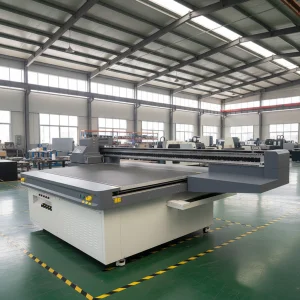
Whether you are expanding a trade sign facility in Melbourne, outfitting an industrial labeling cell in Brisbane, or initiating boutique packaging production in Adelaide, our engineering division offers direct factory pricing, comprehensive technical documentation, and rapid sea/air logistics to all major Australian ports.
Send Inquiry Now