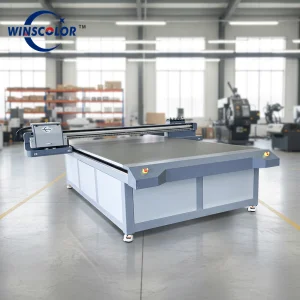
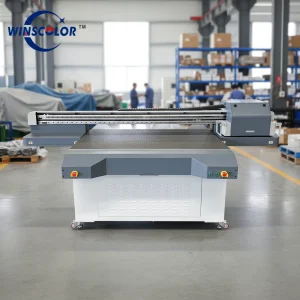
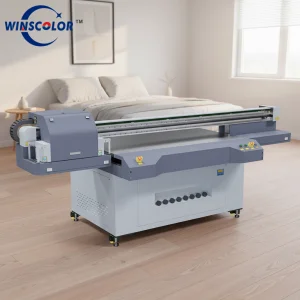
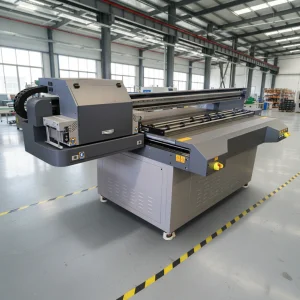
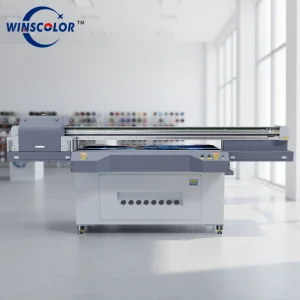
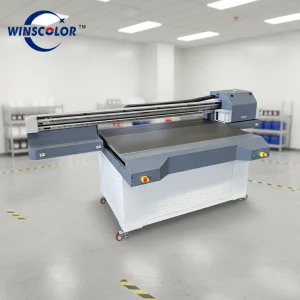
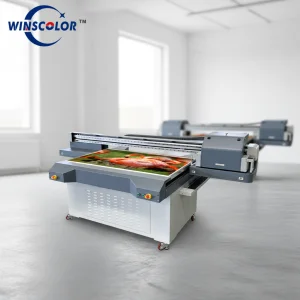
Enterprise-grade digital UV printers optimized for optical polymethyl methacrylate (PMMA), cast/extruded acrylics, composite signboards, and high-margin industrial decorative panel manufacturing.
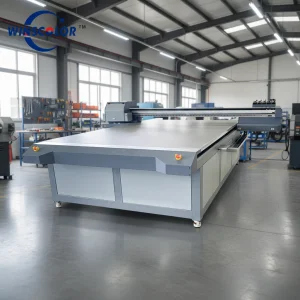
Famous Best quality Uv Wood Printing Machine 2030 Uv Led Flatbed Printer Price Suppliers, Company
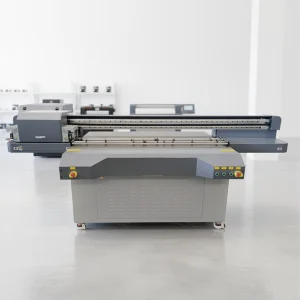
Wholesale 1610 Inkjet Flatbed UV Digital Canvas Cellphone Printer with Rotary Factory, Exporters
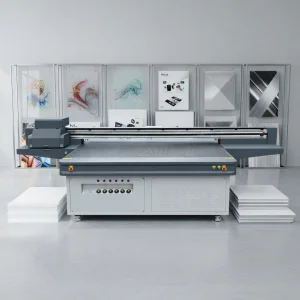
NTEK 2.5*1.3m UV Led Flatbed Printer with G6 Printhead CMYK Lc Lm W and V Factories, Products
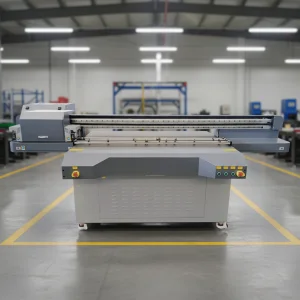
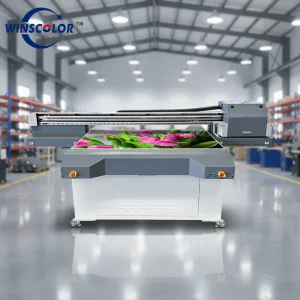
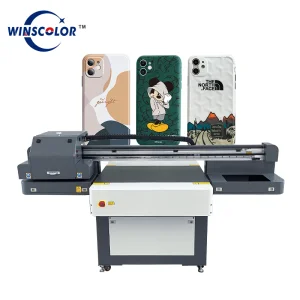
Wholesale Ntek UV 6090 Digital Small Format Inkjet Flatbed UV Printer Manufacturers, Supplier
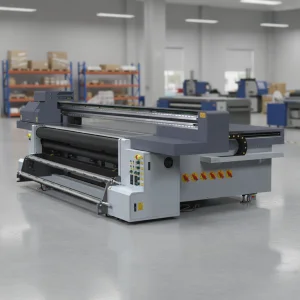
Famous Ntek YC2513R Flatbed and Roll to Roll Machine UV Digital Printer Supplier, Factory
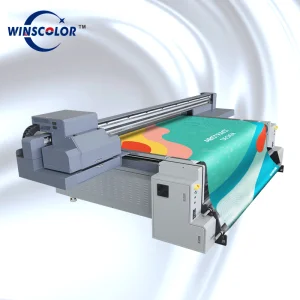
The global demand for polymethyl methacrylate (PMMA) printing is experiencing a structural pivot. Converters and print service providers are moving away from screen printing and solvent-based films toward direct-to-substrate digital UV curing engines.
Global procurement teams prioritize three critical operational parameters: surface tension compatibility (dyne levels), thermal stability during curing, and ink flexibility to eliminate micro-cracking during downstream acrylic thermoforming or CNC diamond edge-polishing.
By shifting to an industrial-tier OEM acrylic inkjet engine, factory plants eliminate film generation, screen washing chemicals, and drying rack bottlenecks. Digital drop-on-demand variable ink volume control drastically slashes pigment consumption.
As a seasoned exporter, we engineer custom turnkey setups, including tailored carriage gantries, custom ink-feed degasification, and automated robotic pneumatic pin-registration for high-throughput batch feeding.
Direct printing onto virgin cast acrylic, recycled PMMA (rMMA), and extruded sheets demands tight physical-chemical balance. Here is how our engineered systems solve complex industrial fabrication challenges.
| Manufacturing Sector | Substrate Challenge | Proprietary Winscolor Solution | Performance Benchmark |
|---|---|---|---|
| Illuminated Backlit Signage & Lightboxes | Color wash-out under intense LED backlighting and pinhole light leaks on high-density prints. | Multi-layer "Sandwich" deposition engine: Color + White + Color printed in a single calibrated pass. | Delta E < 1.2 across full 2.5×1.3 m bed; zero color shift when back-illuminated. |
| Luxury Cosmetics Packaging & Point of Sale | Poor chemical adhesion on low-energy extruded PMMA; edge flaking during high-speed CNC routing. | Inline piezoelectric digital primer jetting combined with custom UV lamp irradiance spectrum (395 nm). | Cross-hatch adhesion classification: Class 0 (ISO 2409 / ASTM D3359 5B standard). |
| Architectural & Acoustic Wall Panels | Banding across sweeping monochrome gradients and color variation over continuous panel joints. | Ricoh Gen6 variable greyscale printheads firing 5–15 pl droplets with dual THK silent linear guides. | Smooth tonal gradients without stepped artifacts at production speeds exceeding 45 m²/hr. |
| Braille Signage & Tactile Graphics | Ink puddle slumping and failure to achieve tactile vertical relief required by ADA regulations. | High-viscosity polymer micro-stacking varnish channels with dual UV shutter control. | Tactile relief depth up to 1.5 mm, compliant with international ADA/CE tactile standards. |
A look at the underlying physical mechanics that prevent static buildup, eliminate printhead strikes, and preserve micron-level dot registration on cast acrylic sheets.
PMMA acrylic sheets are notorious electrostatic accumulators, often exceeding 15 kV in low-humidity production floors. This static field deflects micro-droplets in flight, generating blurry edges and "ink misting." Our platforms integrate twin high-output ionizing corona bars directly preceding the print carriage to neutralize static charges to < 0.2 kV prior to droplet impact.
Cast acrylic sheets often suffer from slight thermal warpage or internal thickness variations. Our vacuum bed features precision honeycomb chambers with multi-zone digital turbine suction. Each independent zone can be isolated via front panel solenoids, ensuring flat hold-down across sheets without mechanical clamps that obstruct printhead carriage clearances.
Traditional mercury halide lamps emit significant infrared radiation, heating thin acrylic beyond its heat deflection temperature (~85°C) and causing edge-curl. Our platforms utilize dual water-cooled 395nm LED-UV arrays. The low substrate surface temperature rise (< 3°C) preserves structural stability while cross-linking monomers in milliseconds.
Winscolor engineering continues to anticipate evolving manufacturing demands across the global graphics and packaging landscape.
Integration of micro-optical colorimetry modules directly into the print carriage gantry. AI-assisted algorithms measure real-time color drift on acrylic sheets during production and modulate waveform pulse voltage on-the-fly, locking down corporate brand colors over multi-thousand square meter runs.
Collaborative research with global chemical suppliers to engineer photoinitiators free from regulated plasticizers and VOCs. Achieving instant UV-LED cure response while utilizing up to 35% bio-derived oligomers, simplifying circular economy compliance for recyclable acrylic displays.
Next-gen printhead drive boards capable of jetting precision droplets across a 10 mm throw distance without dot satellite formation. This enables sharp, direct imaging onto contoured acrylic moldings, vacuum-formed display domes, and chamfered structural components.
Reliability requires transparent manufacturing, rigorous international compliance, and responsive technical service across time zones.
Every Winscolor machine leaves our Jinan manufacturing plant bearing valid CE-MD (Machinery Directive), CE-LVD (Low Voltage Directive), and EMC documentation. Electrical panels are built with UL/CSA-listed industrial components, dual safety interlocks, and emergency stop circuits compatible with European and North American electrical grids.
Our Tier-3 service engineers maintain 24/7 bilingual dispatch desks. By utilizing secure VPN IoT gateways built into the printer logic boards, technicians can execute remote firmware tuning, inspect piezo waveform pulses, and diagnose optical encoder status. Critical replacement parts ship via international express within 24 hours.
Buyers can submit customer-specific acrylic substrates directly to our Jinan application lab prior to shipment. We run cross-hatch adhesion, rub-resistance, and spectrophotometric color audits, returning physical printed proof samples along with comprehensive setup configuration profiles.
Direct technical answers addressing system configurations, material compatibility, and operational costs for B2B printing plants.
Direct printing completely eliminates vinyl material costs, laminating films, manual wet-mounting labor, and edge-peeling risks. Furthermore, printing direct allows high-margin specialty finishes like selective matte/gloss textures, ADA tactile embossing, and back-surface printing that protects ink under the clear acrylic depth.
While high-energy cast acrylic bonds well with standard industrial UV inks, extruded acrylic or PMMA with anti-scratch silicone coatings benefits significantly from an adhesion promoter. Our machines support inline digital primer printing, applying primer solely where ink is deposited to maintain total optical clarity across unprinted areas.
We use high-titanium-dioxide white inks driven by dedicated high-pressure peristaltic pumps with continuous sub-tank circulation and automated carriage stirring. This keeps pigments fully suspended, preventing settling and yielding light-blocking optical density (> 2.4 D) in a single pass.
Ink consumption averages between 8 to 12 ml per square meter at 100% CMYK coverage. At industrial OEM pricing tiers, total fluid operational cost (including white underbase) averages approximately $0.45 – $0.95 USD per square meter, preserving high profit margins for customized display manufacturers.
Heavy-chassis flatbeds, hybrid conveyor printers, and multi-functional high-output equipment built for multi-shift industrial manufacturing operations.