Explore heavy-duty UV LED and hybrid flatbed configurations featuring Ricoh Gen5/Gen6 industrial print engines, multi-vacuum matrix zones, and active fluid degassing engineered for continuous glass fabrication.
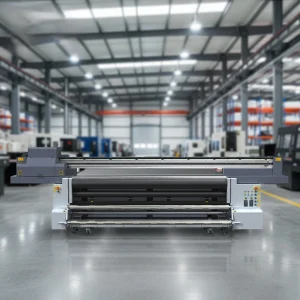
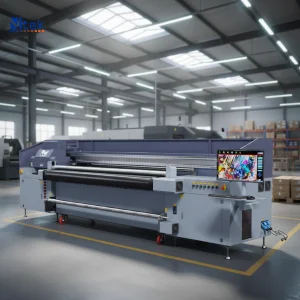
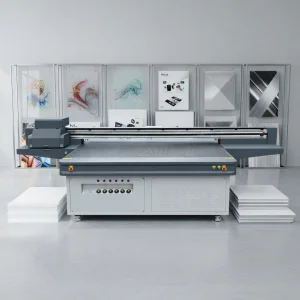
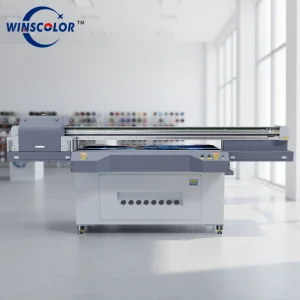
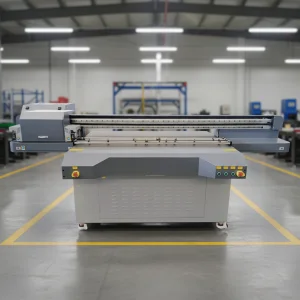
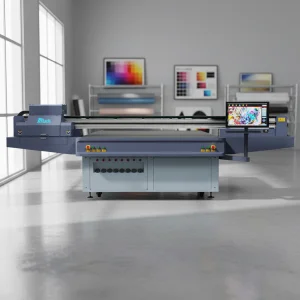
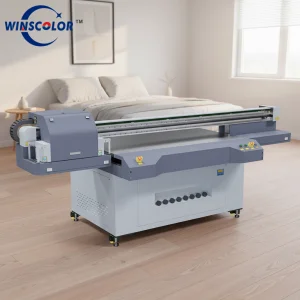
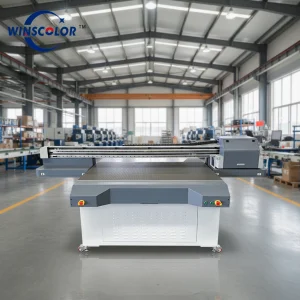
The flat glass fabrication industry is navigating a structural transition. For decades, ceramic screen printing dominated automotive spandrels, building curtain walls, and consumer appliance fascias. However, prohibitive plate costs, multi-stage stencil preparation, immense water consumption during screen washing, and catastrophic make-ready scrap on low-volume runs have rendered screen printing economically obsolete for agile manufacturing.
NTEK digital glass printing machines eliminate screens entirely. By combining micro-piezo DOD (drop-on-demand) jetting with variable droplet greyscale capabilities (5pl to 18pl), manufacturers achieve on-demand single-piece flow, custom gradient opacity, selective frost finishes, and multi-color registration in a single continuous pass. This transformation shrinks order turnaround from weeks to hours while enabling photorealistic 1200×1440 DPI reproduction.
Printing on float, borosilicate, or tempered soda-lime glass requires conquering zero substrate absorbency, high surface tension, and rigorous post-installation stress testing.
Unmodified float glass features surface energies below the wetting threshold of polar inks. NTEK machines integrate automated pyrosil flame treatment or inline digital silane primer jetting, transforming the substrate surface to >48 dynes/cm for molecular chemical bonding.
Vibration during carriage transit creates droplet satellite artifacts visible under backlighting. NTEK utilizes solid annealed welded steel gantry frames, dual THK silent linear guide rails, and high-frequency Panasonic AC servo drives to maintain absolute droplet trajectory accuracy.
High-opacity titanium dioxide (TiO2) white inks and heavy inorganic ceramic frit suspensions tend to settle. NTEK's isolated sub-tank negative pressure circuit maintains continuous internal recirculation from the main canister to the nozzle chamber.
From monolithic architectural facades to micro-etched smart glass and consumer appliance overlays, explore real-world production configurations.
Production lines configured for oversized structural lites up to 3300×2100 mm. Applications include solar control frit simulations, bird-friendly visual markers compliant with LEED standards, and dynamic optical density spandrels that integrate seamlessly with PVB/EVA lamination autoclaves.
Induction cooktop surrounds, tempered refrigerator panels, wine cooler doors, and smart home capacitive touch consoles. Features multi-layer "Color + White + Blackout + Barrier" jetting to achieve 100% pinhole-free light blocking for backlit LED capacitive controls.
Shower enclosures, monolithic balustrades, textured backsplashes, and high-clarity museum vitrines. NTEK utilizes high-viscosity clear coats and gloss varnishes to deposit tactile 3D relief effects, mimicking acid etching, sandblasting, and hand-chiseled glass finishes.
Operating in over 100 countries requires comprehensive international regulatory approvals and rapid-response localized engineering services.
All NTEK units are manufactured under ISO 9001:2015 certified quality systems. Certified to CE Machinery Directive 2006/42/EC, Low Voltage Directive 2014/35/EU, and EMC Directive 2014/30/EU. Optional UL 508A compliant electrical enclosures available for North American jurisdictions.
Strategically positioned bonded warehouse hubs across Western Europe, North America, Southeast Asia, and the Middle East ensure critical mechanical items, high-pressure ink pumps, filters, and Ricoh printheads are dispatched within 24 to 48 hours.
Every industrial unit includes edge IoT connectivity for real-time remote telemetry. Our Level-3 engineers troubleshoot waveform parameters, LED curing energy levels, and vacuum calibration remotely, backed by on-site factory field engineers for commissioning.
A transparent look at NTEK's technological advancements shaping digital glass decoration through 2028.
Optimization of dual-phase hybrid UV formulations capable of surviving PVB tempering autoclave cycles (140°C at 12 bar). Deployment of automated laser surface mapping for non-planar glass panes with up to 3 mm warpage tolerance.
Commercial release of ultra-low sediment ceramic glass inks containing nano-milled glass frits. Prints transition directly from the printer bed to tempering furnaces at 680°C, fusing pigments permanently into the vitreous silicate network.
High-speed line-scan camera arrays mounted on the carriage gantry with neural network computer vision. Detects clogged nozzles, micro-banding, and optical density deviations in real-time, executing self-healing nozzle compensation on the fly.
Direct technical answers from our R&D engineering and materials science teams.
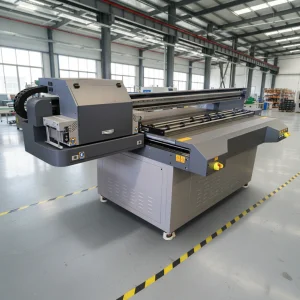
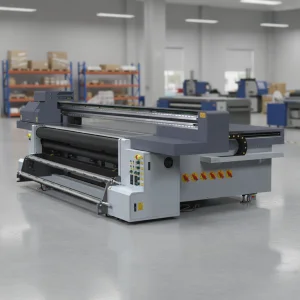
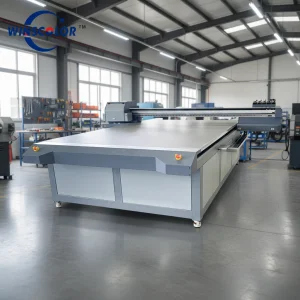
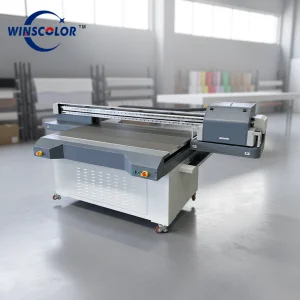
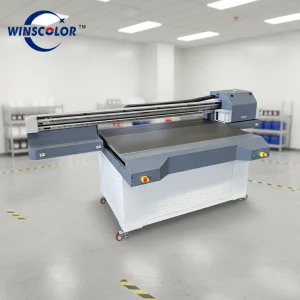
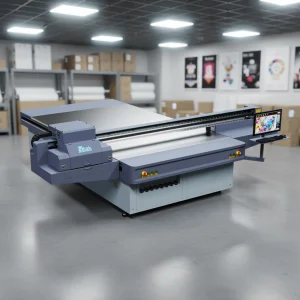
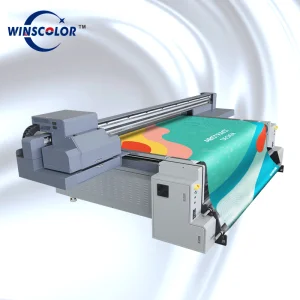
Complete your production portfolio with large-format industrial flatbeds, hybrid roll-to-roll units, and multi-axis rotary devices built for high uptime and versatile substrate processing.

Send your specific glass substrate specs (thickness, dimensions, annealing status) and target monthly square meter volume. Our process engineers will calculate your ink yield, model configuration, and provide a complimentary sample test on your actual media.
Request Technical Proposal & Factory Pricing