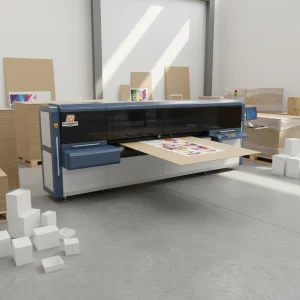
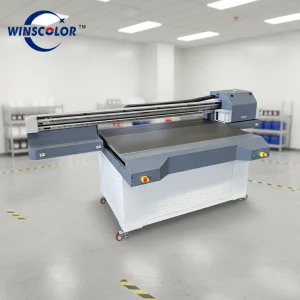
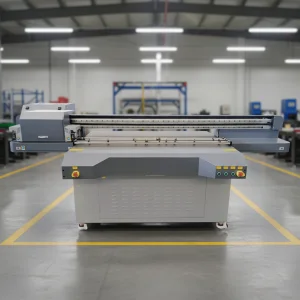
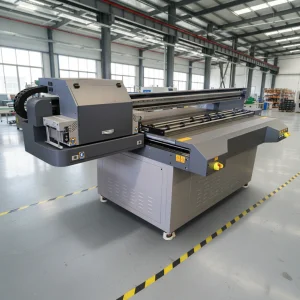
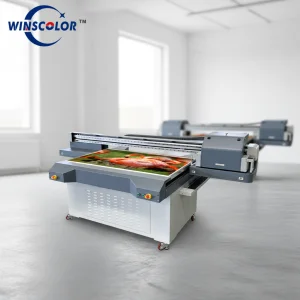
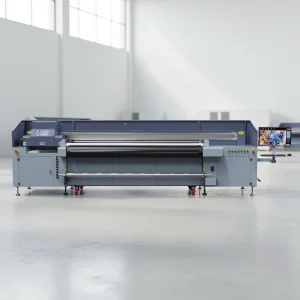
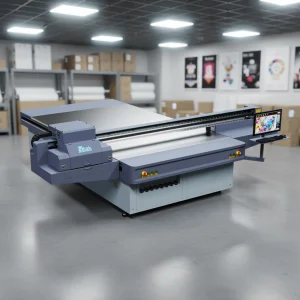
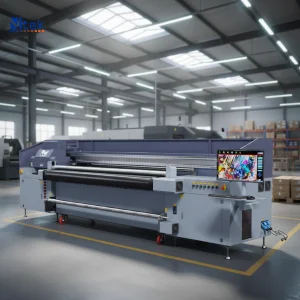
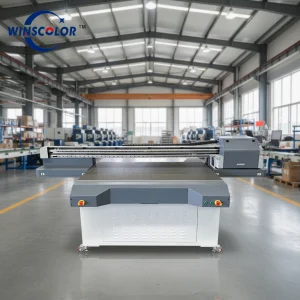
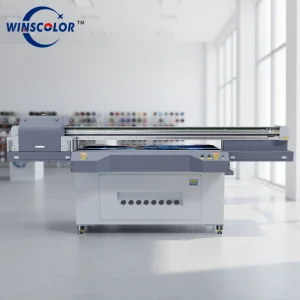
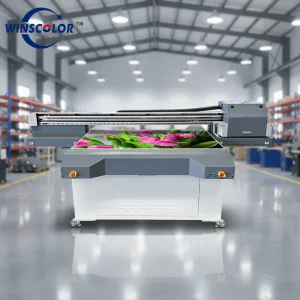
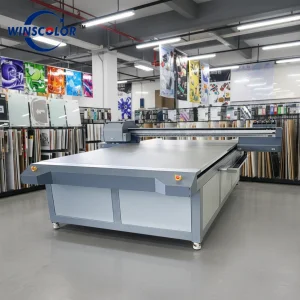
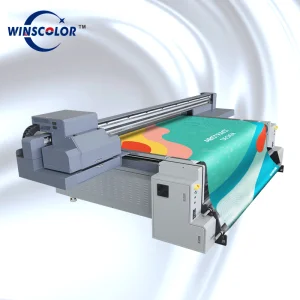
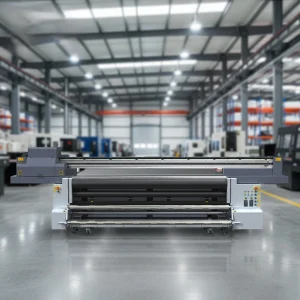
Explore our precision-crafted flatbed systems certified for architectural glass, technical acrylic, rigid boards, and multi-substrate applications.
The commercial glass flatbed printing sector is undergoing a profound paradigm shift from legacy silk-screen processes to automated, high-definition digital inkjet manufacturing.
Traditional flat glass ornamentation relied heavily on screen-making, which imposed high inventory costs and substantial setup waste. The global shift toward just-in-time architectural processing and short-run bespoke glazing has accelerated digital flatbed adoption across North American and European industrial hubs.
Modern flatbed systems eliminate plate production, enabling architectural firms to implement photorealistic murals, selective opacity levels, and structural tint transitions within hours instead of weeks.
A key vector is Building-Integrated Photovoltaics (BIPV) and architectural facade performance glazing. High-precision inkjet droplets provide controlled dot dispersion that maintains solar efficiency while displaying stone, wood, or metallic finishes.
This macro-trend demands strict mechanical stability in flatbed gantries, precise drop placement down to 3.5 picoliters, and specialized primers capable of resisting high mechanical loads and outdoor ultraviolet radiation.
Glass is non-porous and chemically inert, making ink adhesion difficult. Industrial flatbed manufacturers solve this through engineered dual-lamp UV curing, automated in-line silane priming, and durable UV-curable inorganic pigments.
This allows flatbed glass printing to pass rigorous industrial tests: ISO 2409 cross-hatch adhesion testing, accelerated weatherometer trials, and prolonged hydrothermal testing for automotive and splashback use.
From single-item architectural prototypes to multi-shift commercial throughput, our flatbed systems match regional and industrial requirements worldwide.
Our flatbed platforms integrate industrial printheads, servo-controlled linear drivetrains, and segmented high-vacuum beds to maintain stability with heavy glass panes.
| Engineering Dimension | Traditional Silk Screen | Standard Entry Flatbeds | Winscolor Industrial OEM Platform |
|---|---|---|---|
| Print Core & Head Architecture | Manual / Squeegee Mesh | Commercial Desktop Heads (Non-heated) | Ricoh Gen6 Industrial Piezoelectric (Multi-drop 5-15 pl) |
| Substrate Vacuum Clamping | Mechanical Clamps Only | Single Chamber Open Fan | Multi-Zone Independent Suction Table with Air Floatation Assist |
| Surface Adhesion Strategy | Frit Thermal Kiln Firing | Manual Wipe Wipe-On Primers | Dual Inline Piezo-Jet Silane Primer + Dual High-Power LED UV Lamps |
| Z-Axis Clearance & Weight Capacity | Limited by Frames (< 20 mm) | Up to 50 mm / Max 30 kg/m² | 0–100 mm Height Sensor Auto-Detect / Up to 150 kg/m² Heavy Glass |
| Production Flexibility | High setup cost, batch only | Slow scanning speed (< 15 m²/h) | Single-pass / Multi-pass Hybrid Capability, up to 45–65 m²/h |
Delivering an industrial digital glass line requires an integrated ecosystem that aligns surface preparation, print registration, and post-cure handling.
Detailed operational guidance from our engineering and chemical integration teams regarding flatbed glass digital production.
Extended models featuring roll-to-roll hybrid transports, oversized vacuum beds, and high-speed multi-head setups for global manufacturing partners.