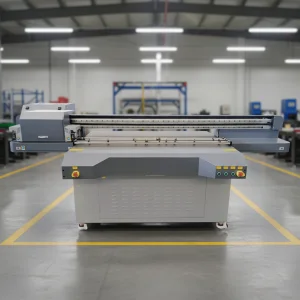
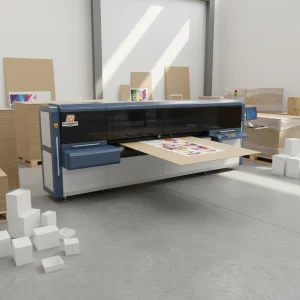
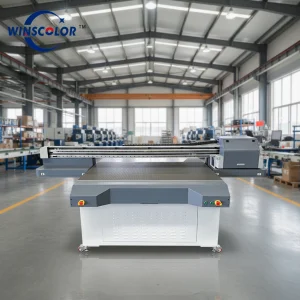
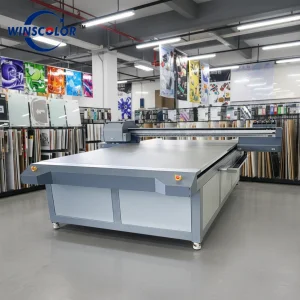
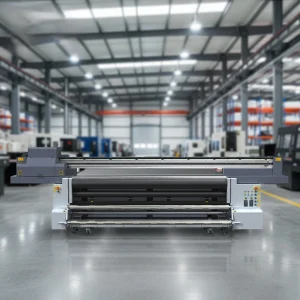
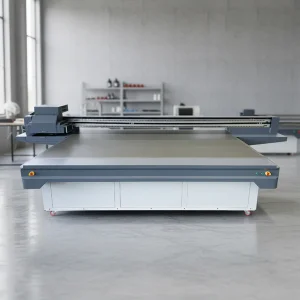
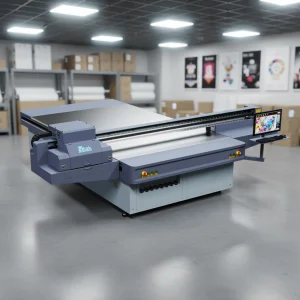
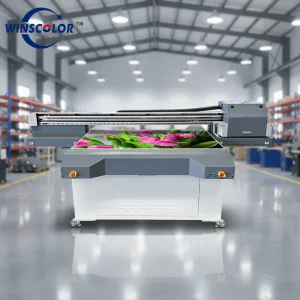
Precision-manufactured machinery built to meet strict tolerances on high-density glass, industrial acrylics, structural metals, and specialty corrugated mediums.
Evaluating the industrial transition from analogue screen mesh printing to high-throughput, nano-ceramic jetting and variable droplet piezo printing engines.
Glass processing requires a strict chemical adhesion strategy. Inorganic ceramic frit inks fuse permanently into the silica matrix during tempering at 680°C, offering multi-decade outdoor structural endurance. Conversely, UV-LED curable organic inks deliver brilliant chromatic gamuts and rapid prototyping capabilities with low capital heat expenditure.
Modern NTEK systems deploy Ricoh Gen6 and industrial-class piezoelectric drop-on-demand (DoD) printheads capable of jetting non-Newtonian, high-viscosity inks. Multi-level grayscale firing (from 5pl to 21pl) prevents dynamic fluidic deflection over float glass irregularities.
Raw float glass features dimensional variations, bevel cutouts, and corner radius variations. NTEK incorporates CCD industrial optical vision alignment that maps individual pane geometry in real-time, executing dynamic offset correction to eliminate edge overspray and registration errors.
International glazing contractors, architectural facades engineers, and white-goods appliance manufacturers face strict throughput and durability benchmarks. When evaluating digital equipment factories, procurement specialists calculate Total Cost of Ownership (TCO) across three critical performance axes:
NTEK's Jinan manufacturing complex leverages China's unified industrial supply network to integrate premium components with optimized cost efficiency:
Examine factory configuration details across mid-size, wide-format, and super-wide industrial flatbed architectures.
| Model Identifier | Platform Category | Bed Dimensions | Printhead Array | Primary Industrial Substrates |
|---|---|---|---|---|
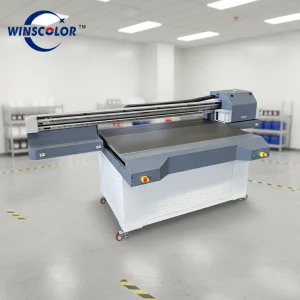
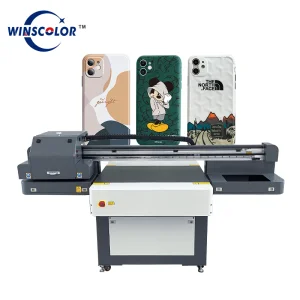
| YC1610H | Precision UV Flatbed | 1600 × 1000 mm | Ricoh Gen5 / Gen6 (2-4 Heads) | Glassware, Switch Panels, Phone Cases, Bottles |
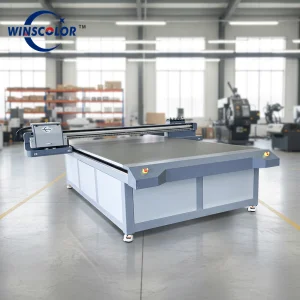
| YC2030H / L | Large-Format Flatbed | 2000 × 3000 mm | Ricoh Gen6 (Up to 8 Heads) | Architectural Splashbacks, Ceramics, Dibond |
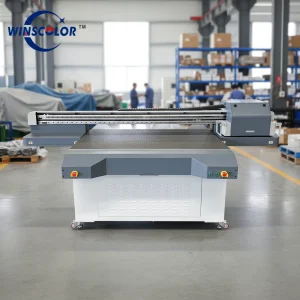
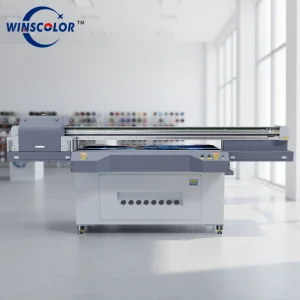
| YC2513L / H | Production Glass Flatbed | 2500 × 1300 mm | Ricoh Gen6 Piezo DoD | Shower Doors, Partitions, Furniture Glass, Acrylic |
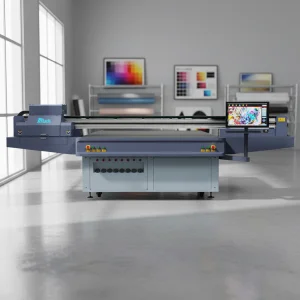
| YC3321L | Super-Wide Flatbed | 3300 × 2100 mm | Ricoh Gen6 (Multi-Row System) | Curtain Walls, Large Format Murals, Oversize Panes |
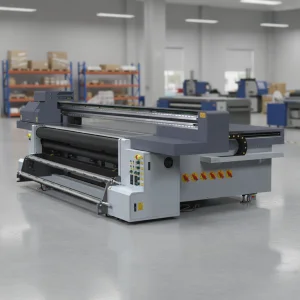
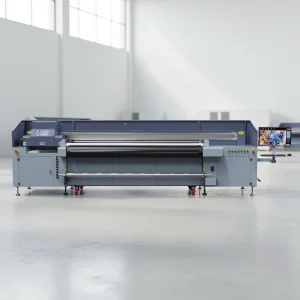
| YC3200HR | Hybrid Industrial Roller | 3200 mm Width | Kyocera / Ricoh Industrial | Continuous Film, Flexible Mesh, Rigid Composites |
From structural facade engineering to high-volume domestic appliance finishing, explore how NTEK machines perform under industrial demands.
Architectural glazing requires solar heat gain control, light transmission adjustment, and bird-friendly glass patterns. NTEK systems handle heavy monolithic and laminated glass panels up to 100mm thick. Advanced RIP software generates dynamic micro-dot gradients and dual-face graphics for double-glazed units (IGUs).
Induction hobs, refrigerator display fascias, and washing machine control panels require high optical density blacks and tight registration. NTEK's multi-channel printing deposits high-opacity white ink underbases alongside CMYK and dense spot blacks in a single pass, meeting appliance manufacturer scratch-test tolerances.
Interior design workflows use layered gloss varnish to produce frosted effects, simulated fluted glass, and relief textures. Digital deposition controls allow for localized gloss variations, matte-sheen contrasts, and dual-view translucent art installations without acid-etching or sandblasting chemicals.
Direct answers addressing technical hurdles, pre-treatment processes, and daily operational requirements for digital glass printing machinery.
Explore the extended lineup of wide-format digital flatbeds, continuous hybrids, and small-footprint UV systems for packaging, textiles, and specialty substrates.