
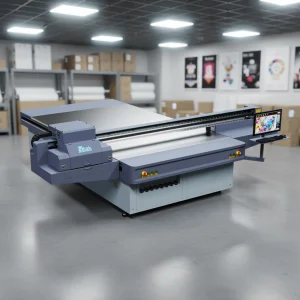
OEM YC2030 High Resolution UV Flatbed Printer for Seoul Signage & Electronics
View YC2030 SpecificationsEngineered for high duty-cycle manufacturing across Seoul's demanding industrial districts, including Seongsu-dong, Guro Digital Complex, and Gyeonggi industrial nodes.
OEM YC2030 High Resolution UV Flatbed Printer for Seoul Signage & Electronics
View YC2030 Specifications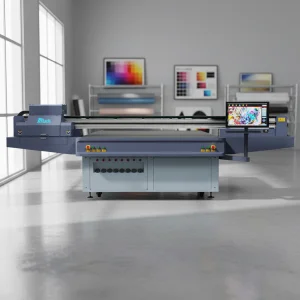
Famous Hot Sale Aluminum Acrylic Ceramic Dibond 2030 UV Flatbed Printer Exporter to Seoul
View Dibond 2030 Details
NTEK ODM Factory Small PVC Board UV Flatbed Digital Printer for Aluminum Sheet Serving Seoul
View Small Flatbed Details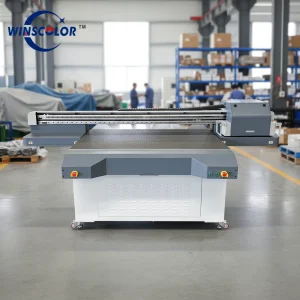
NTEK Wholesale Digital UV Printing Machine for Ceramic & Glass Architectural Projects in Seoul
View Ceramic Glass MachineIn South Korea’s hyper-dense capital region—spanning commercial design hubs in Gangnam and Hongdae to heavy fabrication parks in Incheon and Hwaseong—production speed, micro-registration, and real estate footprint efficiency dictate print business profitability.
Real estate leases in urban hubs like Seongsu-dong require extreme space efficiency. The YC2030L (2000mm × 3000mm bed) offers full-bleed capability for standard Korean 4x8 ft (1220×2440mm) and oversized architectural panels without requiring unnecessary warehouse space.
With South Korea’s rising minimum wage and strict 52-hour working week regulations, print providers in Seoul must transition from labour-heavy screen printing and multi-step mounting to single-operator direct-to-substrate digital systems.
Municipal zoning within the Seoul Metropolitan Area strictly regulates volatile organic compound (VOC) emissions in commercial printing zones. The YC2030L uses low-energy UV-LED lamps and low-odor formulations.
A rigorous review of the motion mechanics, jetting electronics, and fluid control dynamics engineered into each YC2030L production flatbed system exported directly to Korean facilities.
Unlike light aluminum-frame printers that suffer harmonic deflection at high carriage speeds, the YC2030L is manufactured on an annealed all-steel welded frame, stress-relieved via 600°C thermal treatment, and finished on an industrial 12-meter CNC five-sided milling center.
Carriage locomotion is driven by dual Japanese THK ultra-silent linear guides and a Renishaw metal optical linear encoder, ensuring dot placement precision of ±0.02mm even after years of continuous multi-shift production.
| Component Unit | Engineering Specification |
|---|---|
| Bed Printable Area | 2000 mm × 3000 mm (True Flatbed format) |
| Printhead Options | Ricoh Gen6 (MH5320) / Ricoh Gen5 / Konica Minolta 1024i |
| Droplet Size Matrix | Variable Grayscale: 5pl, 7pl, 12pl multi-drop dynamic pulsing |
| Motion Actuators | High-torque Panasonic AC Servos with dual-screw lead synchronization |
| Z-Axis Clearance | 0 to 100 mm (Customizable to 200 mm for heavy packaging) |
| Table Vacuum Zones | Independent 6-zone reverse-air air-cushion / vacuum bed |
Jetting stability is the single most critical variable in avoiding nozzle dropouts during long industrial runs. The YC2030L incorporates an intelligent negative pressure sub-tank closed-loop control system.
Prevents pigment precipitation and nozzle starvation via constant tank-to-head circulation, critical for opaque white undercoats on Seoul's luxury cosmetic acrylic displays.
Active twin-point ionizers neutralize static charges on high-resistance plastics (such as cast PMMA, polycarbonates, and coroplast) before the droplet impacts, eliminating ink misting around fine vector text.
Independent varnish channel supports high-gloss spot coating, matte flood coat, or high-build braille and architectural tactile embossing up to 2mm relief in a single automated pass.
From high-end retail displays along Apgujeong-ro to consumer electronics prototyping in Pangyo Techno Valley, the YC2030L delivers high yields across diverse rigid substrates.
Seoul sets global aesthetic benchmarks in cosmetics packaging and retail pop installations. The YC2030L executes five-layer "White-Color-White" sandwich prints on transparent acrylic, ensuring balanced color saturation under indoor illumination.
Substrates: Cast Acrylic, Extruded Plexiglass, PETG sheets, Backlit Polystyrene.
Direct printing on architectural glass panels, ceramic facade tiles, and aluminum composite (Dibond) boards used throughout Seoul’s subway stations, corporate lobbies, and mixed-use commercial towers.
Substrates: Tempered safety glass, Dibond, anodized brushed aluminum, polished ceramics.
Electronics engineering firms in Pangyo and Guro utilize the YC2030L for high-precision registration on polycarbonate control overlays, membrane keypads, and sheet metal instrument enclosures.
Substrates: Polycarbonate (Lexan), powder-coated steel panels, carbon fiber composite.
Operating a 20,000 m² state-of-the-art production campus in Jinan, Shandong, Winscolor eliminates agent markups while delivering component integration to Korean industrial standards.
Every single YC2030L exported to South Korea passes through a standardized 72-hour continuous test-run cycle prior to wooden crate packaging:
Geographical proximity between Shandong and the Korean peninsula provides distinct operational advantages over Western or Japanese machinery exporters:
A dependable hardware platform requires comprehensive installation, color profiling, and regulatory assurance. Here is how our export programs support operations across Seoul and Gyeonggi-do.
Compatible with standard RIP platforms used in Korean design studios, including Onyx, Caldera, and Photoprint. Our factory technicians provide ready-to-run ICC profiles for popular Korean vinyl, acrylic, and composite substrate brands.
Standardized for South Korea’s industrial power grid (3-phase 380V or single-phase 220V, 60Hz). Internal electrical systems are equipped with Schneider contactors, isolated grounding bars, and surge suppression against grid volatility.
Comprehensive 12-to-24 month core warranty package covering non-consumable mechanical and electronic parts. Includes remote diagnosis via video link and direct dispatch of maintenance technicians for installation across Seoul.
Detailed technical answers addressing import logistics, day-to-day operation, primer applications, and cost amortization for Seoul procurement teams.
From our Jinan factory, containerized sea freight takes 2 days to reach Incheon Port. Routine customs inspection and inland trucking to industrial parks in Guro, Seongsu, or Anyang typically require 3–5 working days following documentation handover under standard Incoterms (CIF or DDP).
For non-porous media like architectural glass, sheet brass, and stainless steel, our dual-head or standalone primer application system lays down an ultra-thin silane/titanate coupling layer immediately before color jetting, providing cross-hatch tape test results meeting ISO 2409 Class 0 standards.
Ricoh Gen6 printheads deliver higher jetting frequencies (up to 50 kHz compared to Gen5's 30 kHz) and a smaller 5pl minimum droplet size. This enables 30% faster pass speeds while delivering smoother photographic gradients and sharper vector micro-text on cosmetic and corporate displays.
We recommend a cleanroom or dust-controlled production space maintained at 20°C to 28°C with ambient humidity between 40% and 60%. While our built-in ink heaters stabilize fluid viscosity, controlling ambient dust prevents surface imperfections on high-gloss acrylic and glass finishes.
Dual-axis retractable pneumatic registration pins provide mechanical reference stops across the vacuum table. The operator loads heavy rigid panels against the pins and activates the vacuum bed via foot switch, eliminating manual angle adjustments and reducing batch alignment time to seconds.
For standard four-color (CMYK) graphic output with 100% ink coverage, consumption averages approximately 10 to 12 ml per square meter. Depending on spot white and varnish coverage, typical production ink costs range between $0.40 and $0.95 USD per square meter, delivering significant cost advantages over third-party outsourced print services.
In addition to the core YC2030L flatbed system, Winscolor engineers and exports a versatile fleet of hybrid, roll-to-roll, and high-speed single-pass packaging systems serving global and Korean industrial clients.
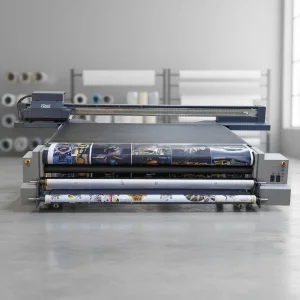
High-Quality Large Format UV Roll to Roll Printers YC3321R Hybrid Flex Banner Printing Machine for Seoul
View YC3321R Details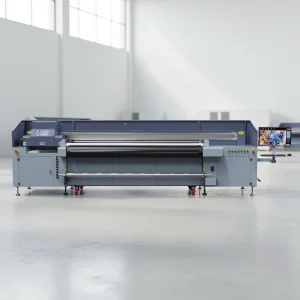
Famous Large Format Digital Multifunction UV Hybrid Roller Printing Machine Serving Seoul
View Hybrid Roller Details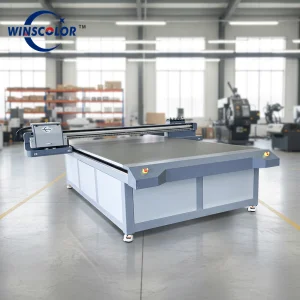
NTEK Multifunction Large Format UV Flatbed Printer Ceramic Printer Exporters to Seoul
View Ceramic Details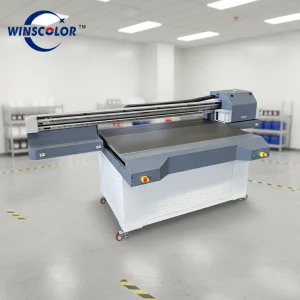
Industrial UV Printer 1600*1000mm 1610 UV Flatbed Inkjet Printer Serving Seoul
View 1610 Details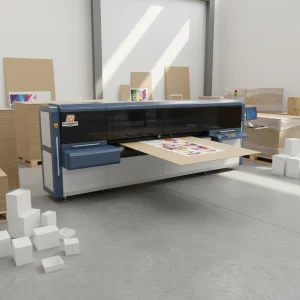
High Speed Automatic Single Pass Corrugated Board Carton Machine for Seoul Packaging
View Packaging Machine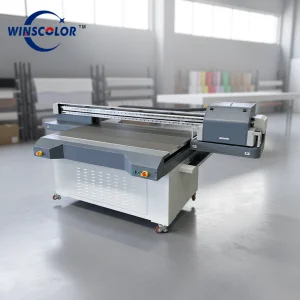
Discount Wood Glass UV Flatbed Printer High Resolution 1610 Digital Machine for Seoul
View Wood Glass Printer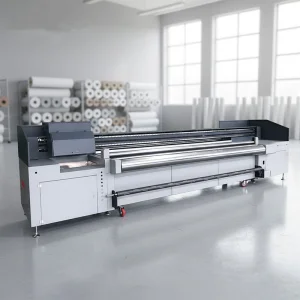
Large Format UV Inkjet Hybrid Flatbed Printer Roller Printing Machine Serving Seoul
View Hybrid Roller System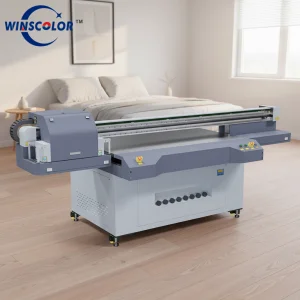
Professional Pen Acrylic Glass UV Printer Laminator Bottle Printing Machine for Seoul
View Small Object Printer