Explore heavy-duty UV roll-to-roll, versatile hybrid platforms, and high-precision flatbed machinery engineered for rigorous industrial throughput.

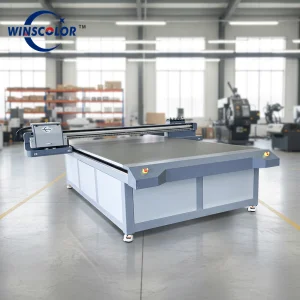

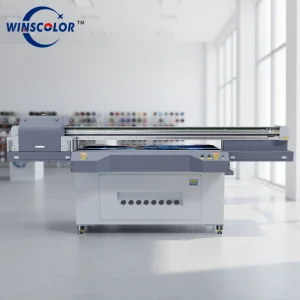
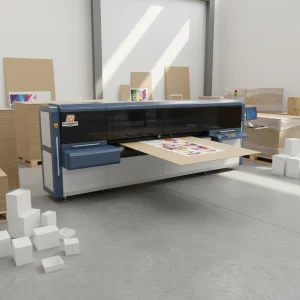
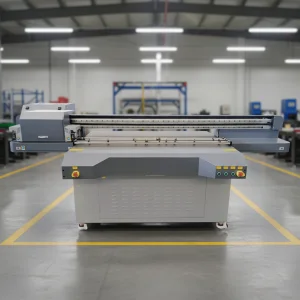
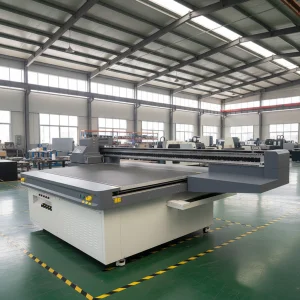

How the 600×900 mm format emerged from niche craft applications into a foundational asset for decentralized, agile manufacturing across global supply networks.
Traditional pad and screen printing incur heavy prepress overhead through plate production and ink-matching trials. The 6090 UV flatbed enables true print-on-demand agility, running mixed-SKU batches with zero mechanical plates and instant RIP job switching.
Modern consumers demand tactile engagement. Multi-channel drop-on-demand piezo arrays deposit clear gloss varnish with micron-level Z-axis repeatability, creating simulated wood grains, leather grain textures, and Braille markings that command premium margins.
Equipped with solid-state LED UV lamps curing at 385–395 nm, the 6090 engine eliminates thermal degradation on heat-sensitive materials like thin PVC, PS, and acrylic sheets while slashing electrical operational draws by up to 70% compared to legacy mercury arc lamps.
Enterprise procurement specialists are transitioning focus from initial hardware purchase tags to long-term lifecycle return, consumable yields, and component longevity.
Factory-grade piezoelectric printheads (e.g., Ricoh Gen6, Epson i3200-U1) run continuous high-frequency multi-drop waveform algorithms, achieving operational lifespans exceeding 24–36 months under controlled sub-tank ink filtration.
Procuring machines optimized with native high-density pigment inks reduces deposition consumption to 8–10 ml/m² for 100% CMYK coverage, significantly protecting operating margins against recurring chemical consumables inflation.
Standardized mechanical component stacks—such as Hiwin dual silent linear guides, Megadyne belts, and Leadshine closed-loop brushless servo systems—mitigate supply disruption and simplify global replacement logistics.
Automated peristaltic agitation, timed negative-pressure purging, and closed-loop ink heating prevent titanium dioxide white particle agglomeration, preserving nozzle uptime without manual flush intervention.
The manufacturing ecosystem in Shandong and South China has shifted from simple assembly to vertically integrated precision engineering, offering documented mechanical stability.
Chassis undergo high-temperature thermal annealing to neutralize structural welding stress. High-speed five-axis CNC milling machines plane the rail beds, keeping overall platform planarity tolerance within ≤0.03 mm across the bed.
From aluminum honeycombed vacuum beds to precision molded ink car panels, 95% of supply chain elements are clustered within localized industrial corridors, allowing accelerated OEM engineering iterations and rapid delivery cycles.
Before containerized ocean packing, machines execute 48-hour burn-in protocols, evaluating dynamic carriage vibration profiles, Renishaw laser beam straightness metrics, and high-coverage color saturation tests.
Real-world industrial use cases demonstrating how the 6090 flatbed handles varied rigid, flexible, and cylindrical geometries across diverse business verticals.
High-volume custom phone cases, tablet covers, and power bank enclosures utilizing flexible UV ink formulations that resist edge cracking and mechanical peeling under continuous shear stress.
Direct printing onto polycarbonate, acrylic front plates, and brushed aluminum instrument dials with strict micro-character edge fidelity and resistance to isopropyl alcohol cleaning agents.
Equipped with a precision synchronized rotary fixture, the system prints full 360-degree seamless wraps on stainless steel tumblers, glass perfume bottles, and cosmetic containers without registration banding.
Selective white underbase printing across raw timber grain, slate slabs, and ceramic samples preserves natural textural under-tones while highlighting crisp architectural renderings and logos.
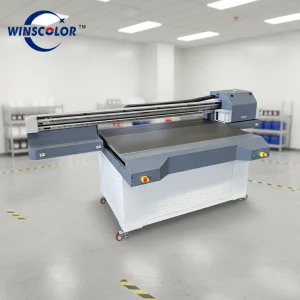
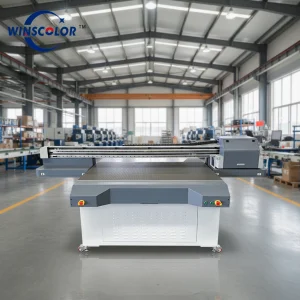
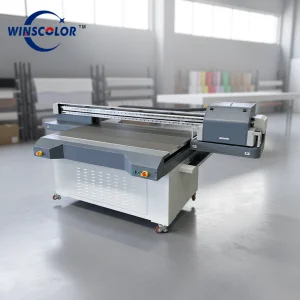
A closer look at the electromechanical tolerances, drive mechanisms, and fluid sub-assemblies built into our 6090 printing chassis.
Independent vacuum channels for color and white lines maintain meniscus ink tension across fluctuating ambient temperatures, eliminating nozzle weeping and ink drops during high-speed bidirectional passes.
Constructed with dual-chamber vacuum zones and precision flow perforations, providing flat substrate hold-down for warped composites, corrugated boards, and thin plastics without mechanical clamps.
Integrated optical proximity sensors detect substrate elevation up to 150–200 mm before carriage movement, automatically setting focal drop distance while safeguarding printhead faceplates against impacts.
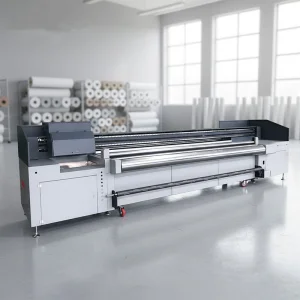
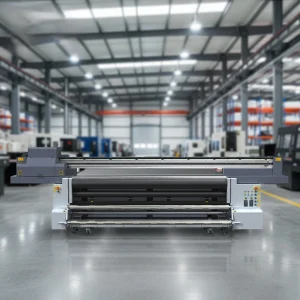
Explore production flatbeds, dedicated roll-to-roll units, and multi-format printers supporting continuous industrial shifts.



Direct technical answers addressing system operation, substrate preparation, and export logistics for commercial print buyers.
