Choosing the right UV Printing Machine can shape production quality, operating costs, and customer satisfaction. Global buyers often compare more than resolution and advertised speed. They examine ink compatibility, curing performance, maintenance access, power requirements, and after-sales support. A machine may produce sharp graphics on acrylic, glass, wood, metal, or coated materials, yet perform poorly in a humid workshop. Real working conditions matter.
This guide presents 10 Best UV Printing Machines for Global Buyers. Each model is considered through practical factors, including print consistency, bed size, white-ink circulation, software control, and daily usability. Sample prints can reveal banding, uneven white layers, or weak adhesion. Small details matter. A clean nozzle check can save hours of troubleshooting.
The selection also considers supplier experience, documentation, warranty terms, training, spare-parts availability, and regional service coverage. Buyers should confirm electrical standards, ventilation needs, import requirements, and local safety obligations before purchasing. Manufacturer claims are useful, but they are not complete evidence. Independent demonstrations and verified user feedback deserve attention.
No single machine fits every business. A compact flatbed may suit a custom signage studio, while a larger model may support continuous commercial orders. Some rankings may change after testing different inks, materials, and artwork. That limitation is worth admitting. Careful comparison remains essential, especially when prices, support quality, and delivery conditions vary between countries. This overview aims to provide a practical, balanced starting point for a confident decision.
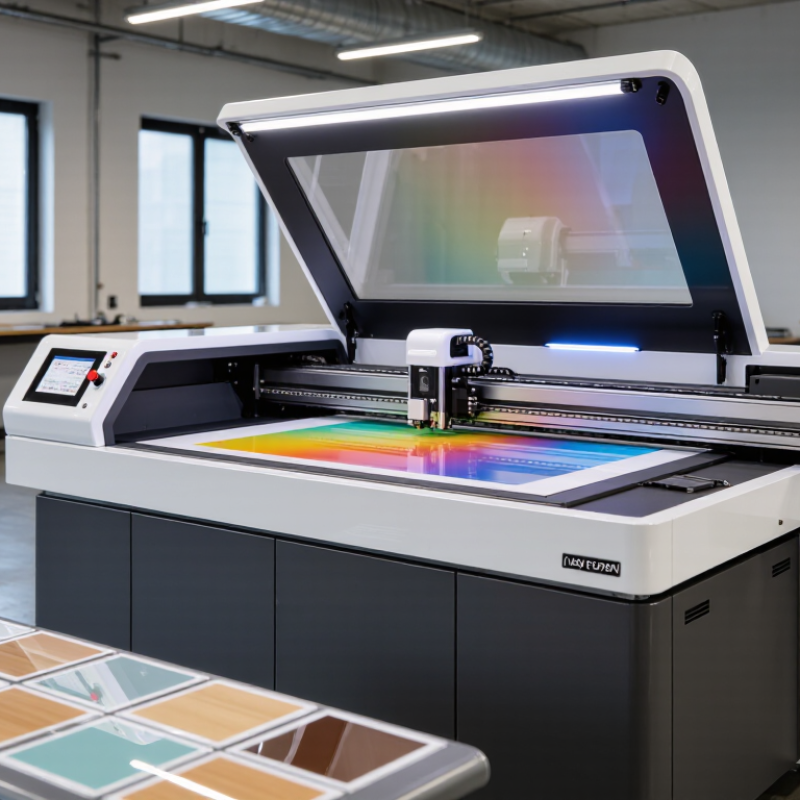
UV printing machines use ultraviolet light to cure ink immediately after it lands on a surface. A printhead deposits tiny droplets of ink, while UV LED lamps harden each layer within seconds. This process supports direct printing on glass, acrylic, wood, metal, leather, and coated plastics. It can also print raised textures through repeated ink layering.
Flatbed machines hold rigid sheets on a vacuum table. Roll-to-roll models handle flexible films, banners, and wallpaper. Hybrid systems combine both formats, but their mechanical complexity may increase maintenance demands. White ink improves opacity on dark materials, while varnish adds gloss or selective texture. Not magic. Surface cleaning and adhesion testing still matter.
Grand View Research estimates the global UV-cured printing market reached about USD 1.9 billion in 2023, with an expected 11.9% CAGR from 2024 to 2030. MarketsandMarkets also reports strong growth in UV curing systems, driven by LED efficiency and shorter production cycles. These figures describe market direction, not guaranteed machine performance. Report estimates differ because research firms define product categories differently.
In practical use, operators must balance print speed, lamp intensity, ink volume, and substrate movement. Excessive speed can produce weak colors or incomplete curing. Too much energy may distort sensitive materials. I have found that the first test print often exposes overlooked issues, especially uneven surfaces and poor color profiles. A reliable workflow includes nozzle checks, adhesion tests, ventilation, and documented maintenance records.
| Rank | Machine Profile | Printer Type | Typical Print Width / Area | UV Ink Configuration | Typical Resolution | Typical Production Speed | Maximum Media Thickness | Suitable Materials | Best-Fit Applications | Key Advantage |
|---|---|---|---|---|---|---|---|---|---|---|
| 1 | Compact UV Flatbed | Desktop flatbed | 600 × 900 mm | CMYK + White + Clear | Up to 1,440 × 1,440 dpi | Approximately 8–15 m²/h | Up to 100 mm | Acrylic, wood, glass, metal sheets, leather, coated plastics | Customized gifts, phone cases, signage, small promotional products | Low space requirement and flexible short-run production |
| 2 | Mid-Size UV Flatbed | Flatbed with vacuum table | 1,220 × 2,440 mm | CMYK + White; optional Clear | Up to 1,200 × 1,200 dpi | Approximately 15–35 m²/h | Up to 50 mm | PVC board, foam board, acrylic, aluminum composite, glass, wood | Indoor signage, décor panels, retail displays, exhibition graphics | Handles standard sheet sizes with good detail and productivity |
| 3 | Large-Format UV Flatbed | Industrial flatbed | 1,600 × 3,200 mm | CMYK + Light Cyan + Light Magenta + White + Clear | Up to 1,200 × 1,200 dpi | Approximately 35–70 m²/h | Up to 100 mm | Rigid plastics, glass, aluminum, corrugated board, wood, ceramic tiles | Large signage, wall panels, interior graphics, packaging prototypes | High productivity for rigid substrates and large panels |
| 4 | UV Roll-to-Roll Printer | Roll-to-roll printer | 1,600–3,200 mm print width | CMYK + White; optional Light Colors | Up to 1,200 dpi | Approximately 25–80 m²/h | Flexible media only; commonly up to 1 mm | Self-adhesive vinyl, banner, film, wallpaper, coated textile, flexible PVC | Vehicle graphics, banners, wallpaper, labels, window graphics | Efficient continuous printing on flexible roll media |
| 5 | Hybrid UV Printer | Flatbed and roll-to-roll combination | 1,600–2,500 mm print width | CMYK + White + Clear | Up to 1,200 × 1,200 dpi | Approximately 30–65 m²/h | Up to 50 mm | Rigid boards, vinyl, canvas, banner, film, coated paper | Mixed signage orders, retail graphics, promotional displays | One machine supports both sheet and roll media |
| 6 | UV DTF Transfer Printer | Roll-to-roll transfer system | 300–600 mm transfer film width | CMYK + White + Varnish or Adhesive Layer | Up to 1,440 dpi | Approximately 8–25 m²/h | Transfer film production; finished items vary | Hard or irregular objects including bottles, helmets, boxes, ceramics, and electronics | Small-batch customization, complex shapes, and textured transfers | Applies detailed graphics without printing directly onto the object |
| 7 | UV Cylinder Printer | Flatbed with rotary attachment | Flatbed area up to 600 × 900 mm; rotary diameter commonly 20–150 mm | CMYK + White + Clear | Up to 1,440 dpi | Approximately 3–12 m²/h | Object-dependent; commonly up to 100 mm on flatbed | Glass bottles, tumblers, tubes, cans, cylindrical packaging | Drinkware, cosmetic packaging, promotional containers | Direct decoration of cylindrical products with precise registration |
| 8 | High-Speed UV Signage Printer | Industrial flatbed or hybrid system | 2,500 × 3,100 mm or larger | CMYK + White; optional Light Colors and Clear | Up to 1,200 dpi | Approximately 60–150 m²/h | Up to 100 mm | Corrugated board, PVC, acrylic, aluminum composite, foam board, wood | High-volume signage, packaging sheets, retail campaigns, décor production | High throughput for continuous commercial production |
| 9 | Textile-Focused UV Printer | Roll-to-roll or hybrid printer | 1,600–3,200 mm print width | CMYK + White; ink set varies by textile coating | Up to 1,200 dpi | Approximately 20–60 m²/h | Flexible media; commonly up to 1 mm | Coated fabric, synthetic textile, canvas, mesh, décor film | Backlit displays, interior textiles, canvas décor, event graphics | Supports durable graphics on selected coated textile media |
| 10 | Industrial Multi-Layer UV Printer | Flatbed or hybrid production system | 1,600 × 3,200 mm or larger | CMYK + White + Clear; multi-layer printing support | Up to 1,200 × 1,200 dpi | Approximately 35–100 m²/h | Up to 100 mm | Rigid boards, glass, acrylic, wood, metal panels, specialty substrates | Premium décor, tactile signage, layered graphics, specialty packaging | Creates white underlayers, color overlays, and tactile clear effects |
Check native resolution, drop size, color channels, and white-ink performance. Small text should stay sharp from close range. Raised textures should look even.
Request a timed sample using your artwork, media, and intended print mode. Compare usable quality, setup time, curing stability, and cleaning frequency. Headline speed can mislead.
Flatbed models suit boards, panels, glass, and prepared wood. Roll-to-roll systems fit films, banners, and labels. Hybrid models handle both, but maintenance may increase.
White ink improves dark-material coverage. Varnish adds gloss and textured effects. Both require regular circulation and cleaning. Neglected ink can block nozzles.
Test rigid boards, flexible films, coated metals, glass, and heat-sensitive materials. Check adhesion, scratch resistance, outdoor durability, and surface damage after curing.
Confirm voltage, plug standards, ventilation, software compatibility, spare-part access, and operator training. Import paperwork and service response times also deserve attention.
Compare lamp power, standby consumption, and curing efficiency during a full work shift. A lower purchase price may not reduce operating costs.
Inspect cleaning routines, nozzle checks, automatic calibration, vacuum zones, and media changes. One failed printhead can stop production for days. This detail is easy to underestimate.
Ask for prints on your actual materials, including a humid-workshop test when relevant. Request ink use per square meter and production speed at usable quality. Brochures are not enough.
Not necessarily. A compact unit may limit large-format work, while a fast system may need skilled supervision. I may overvalue speed sometimes; downtime matters more.
This guide explains what a UV Printing Machine is and how it uses ultraviolet light to cure ink instantly on a wide range of surfaces. It outlines the main features buyers should compare, including print quality, speed, material compatibility, curing performance, operating costs, software support, and maintenance requirements. The article also presents ten leading machine options for international buyers, focusing on practical differences rather than brand promotion.
It further compares UV printer types suited to rigid materials, flexible media, flat products, cylindrical objects, and specialized production tasks. For global purchasing, the guide highlights essential considerations such as equipment cost, import duties, electrical standards, safety and environmental compliance, warranty coverage, technical service, spare parts availability, packaging, shipping arrangements, and installation support. These factors help businesses select a reliable UV Printing Machine that matches their production goals, budget, workflow, and regional requirements.

