2026 Best UV Printing Machine for Global Buyers?

Time:2026-10-16 Author:Sophia
0%

Choosing the 2026 best UV printing machine requires more than comparing prices and advertised resolution. Global buyers need equipment that performs reliably across different materials, climates, power systems, and production environments. A machine may look impressive in a showroom, yet struggle with uneven boards, humid air, or demanding daily schedules.

This guide examines practical factors behind dependable Uv Machine Printing, including print quality, curing performance, ink stability, maintenance access, software compatibility, and after-sales support. It also considers worktables, nozzle technology, color management, and printing speed. These details matter when producing signs, packaging, acrylic panels, glass items, wood products, or customized promotional goods. Small differences become expensive over time.

Real workshop experience matters. Operators often notice issues that brochures omit, such as difficult head cleaning, awkward ink refilling, or inconsistent white ink circulation. No machine is perfect. Even a strong model may require careful calibration and regular maintenance. That is why this overview avoids relying only on brand claims. It focuses on verifiable specifications, supplier transparency, warranty terms, user feedback, and long-term operating costs.

The right choice depends on your application. A compact flatbed may suit a growing studio, while a larger hybrid system may better serve a commercial sign producer. Buyers should confirm voltage requirements, installation conditions, training availability, and local technical support before ordering. Prices alone can mislead. A cheaper machine may become costly when downtime, replacement parts, and wasted materials are included. This guide helps international buyers compare options with clearer expectations and fewer expensive surprises.
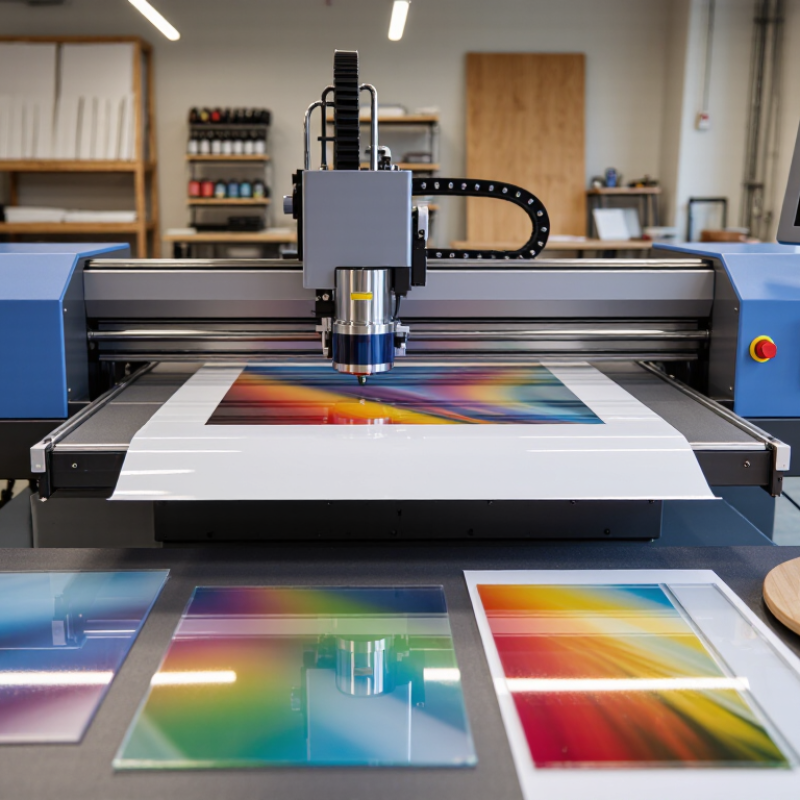
2026 Best UV Printing Machine for Global Buyers?

What Is UV Printing and How Does It Work?

UV printing uses ultraviolet light to cure ink almost instantly on a surface. The printhead places tiny ink droplets, then UV lamps harden them within seconds. This differs from traditional ink, which may need evaporation or absorption.

The process works on coated paper, acrylic, glass, metal, wood, and selected plastics. A flatbed machine holds rigid sheets in position. A roll-to-roll system moves flexible materials under the printhead. White ink can create a base layer, while clear ink adds texture or gloss. Grand View Research valued the global digital printing market at approximately USD 35 billion in 2023, with continued growth expected through 2030. This figure covers more than UV printing, but it shows strong demand for short-run customization. Smithers also identifies digital printing as an expanding solution for packaging and specialty applications. Market reports vary. That matters when comparing machine prices.

Tips: Check curing consistency, ink adhesion, nozzle maintenance, and ventilation requirements before buying. Print test samples using your actual material. A glossy sample can hide weak adhesion.

In practical testing, operators should inspect edges, fine text, and dark color layers under normal lighting. Some surfaces need cleaning or primer. A machine may advertise high resolution, yet real output can show banding after poor calibration. This is where experience matters.

Speed claims often use draft settings, not production quality. Buyers should compare usable output per hour, service access, software stability, and long-term ink costs. Do not trust one impressive sample. Ask for repeat samples.

What Types of UV Printing Machines Are Available in 2026?

What Types of UV Printing Machines Are Available in 2026?

UV printing machines now serve very different production needs. Flatbed models print directly onto rigid sheets, wood, glass, acrylic, and metal. They suit signs, displays, packaging prototypes, and customized panels.

Roll-to-roll machines handle flexible media, including films, wallpaper, banners, and vinyl. Their continuous feeding system supports longer runs with less manual loading.

Hybrid machines combine both functions. They can switch between boards and rolls, although changeover time still deserves careful testing.

Compact tabletop machines target small workshops and personalized products. Rotary UV systems print on cylindrical items such as bottles, tubes, and decorated containers.

Some industrial platforms also offer white ink, varnish, and multi-layer printing. These features improve texture and opacity, but they increase maintenance demands.

According to Grand View Research, the global UV printing market is projected to grow at roughly 9% annually through the decade.

A separate 2024 assessment from Mordor Intelligence identifies packaging, signage, and industrial decoration as key UV-curable ink applications.

In practical purchasing, substrate size matters more than headline speed. A 2.5-meter roll printer may be inefficient for small rigid products.

I would test adhesion after cleaning, handling, and light abrasion. The result can change with ink, surface energy, and curing settings. This is where many specifications become less useful.

Smithers’ digital print research continues to show expanding demand for short-run, customized production.

Still, a faster machine is not automatically better. Operators need reliable calibration, ventilation, spare-part access, and repeatable color control.

Which Features Matter for Global Buyers?

Global buyers need more than impressive sample images from a UV printing machine. They should check voltage options, plug standards, and electrical certifications for the destination market. A machine built for one region may require costly modification elsewhere. Confirm these details before placing an order.

Print quality depends on more than resolution. Look for stable ink curing, accurate color calibration, and reliable white-ink circulation. These features matter when printing dark acrylic, glass, wood, or textured panels. A practical test should include small text, gradients, and uneven surfaces. Ask for dated samples, not only polished showroom photos. Real results can look different.

Service access is equally important. Clear manuals, remote diagnostics, multilingual support, and easily sourced spare parts reduce production delays. Check the expected lifespan of printheads and the maintenance time required each day. Total ownership cost includes shipping, ink, software, training, and downtime. A lower purchase price may hide higher operating expenses. I would also question vague speed claims, because maximum speed often reduces detail or color density. That is an uncomfortable point, but it protects the buyer. Test the machine with your own files and materials before making a global purchasing decision.

How to Compare UV Printer Performance, Cost, and Reliability?

When comparing the best UV printing machine for global buyers, start with real output, not brochure speed. A rated speed often uses draft mode, light coverage, and ideal media. Ask for a sample using your artwork, gradients, small text, and solid white areas. Inspect banding, color consistency, edge sharpness, and curing after 24 hours. Speed can mislead.

Cost includes more than the purchase price. Measure ink use per square meter, electricity demand, printhead replacement, cleaning supplies, and operator training. A lower-priced machine may require frequent manual cleaning or expensive downtime. Request a three-year ownership estimate with service visits included. Ask for proof. Also test common substrates, such as acrylic, aluminum, glass, wood, and coated film. Adhesion can change sharply between surfaces.

Reliability appears during repetitive work. Run a continuous test for several hours, then check nozzle loss, white-ink circulation, temperature stability, and registration accuracy. Confirm whether replacement parts are locally available and whether technicians provide documented response times. Remote support sounds useful, but clear troubleshooting procedures matter more. I have seen impressive samples hide awkward software and slow setup. That weakness is easy to overlook. Buyers should also check voltage requirements, ventilation needs, warranty exclusions, and training language before placing an order. A machine that prints beautifully but interrupts production every afternoon is not truly economical.

What Should Buyers Check Before Purchasing a UV Printing Machine?

2026 Best UV Printing Machine for Global Buyers?

What Should Buyers Check Before Purchasing a UV Printing Machine?

Global demand is growing, but higher demand does not make every machine suitable. Smithers’ 2024 report forecasts digital packaging print will approach 37 billion dollars by 2029. This growth increases equipment choices and purchasing risks.

Check printhead resolution, curing stability, and real production speed. A sample may look sharp for ten minutes, then show banding during a six-hour shift. Request a continuous test using your actual substrates, including acrylic, glass, wood, and coated metal. Measure ink adhesion after scratching, bending, and cleaning. Ask for the reject rate, not only the maximum speed. Maximum speed is often a showroom number.

Review the total operating cost carefully. Include ink consumption, printhead replacement, lamps or LED modules, filters, software, freight, and technician visits. The International Energy Agency reports that LED technology generally reduces energy use compared with conventional lighting, but savings depend on machine design and workload. Check power requirements for your local facility. Confirm electrical certificates, safety documentation, ventilation guidance, and chemical safety data before importing. These documents matter more than attractive samples.

Ask how quickly spare parts arrive. A cheap machine can become expensive when production stops for three weeks. Warranty wording also deserves close reading. Does it cover printheads, curing units, and calibration? I would not trust vague promises. One overlooked weakness remains: operator training. A reliable machine still produces poor work when cleaning routines and color management are inconsistent. A hands-on trial reveals more than a polished brochure.

2026 Best UV Printing Machine for Global Buyers?

Before purchasing a UV printing machine, buyers should compare print quality, usable print area, production speed, ink compatibility, curing performance, maintenance requirements, safety documentation, and after-sales support. The chart uses a 0–10 buyer-priority score to organize the most important evaluation areas.

Use these categories as a purchasing checklist. Always verify specifications with sample printing, documented test results, local electrical requirements, warranty terms, spare-parts availability, and the total cost of ownership before placing an order.

FAQS

What types of UV printing machines are available in 2026?

Flatbed machines print on rigid materials like wood, glass, acrylic, and metal. Roll-to-roll models handle films, wallpaper, banners, and vinyl. Hybrid machines support both formats. Changeovers may take time. Tabletop models suit small workshops and personalized products. Rotary systems print on bottles, tubes, and other cylindrical items.

Which machine suits rigid products?

Choose a flatbed machine for boards, panels, signs, packaging prototypes, and decorative sheets. Check the maximum material size carefully. A large bed can waste space for small products. That mistake is easy.

When is a roll-to-roll machine useful?

Roll-to-roll machines suit continuous flexible materials and longer production runs. They reduce repeated manual loading. Common materials include banners, vinyl, films, and wallpaper. Confirm roll width, media thickness, and feeding stability before purchase.

Are hybrid UV printers practical?

Hybrid machines combine flatbed and roll-to-roll printing. They offer flexibility for mixed production schedules. However, switching materials can reduce efficiency. Test the changeover process with real boards and rolls. The brochure may exaggerate convenience.

What print features should buyers examine?

Check white ink, varnish, layered printing, curing stability, and color calibration. White ink helps create opacity on dark acrylic or glass. Varnish can add visible texture. These features also increase cleaning and maintenance needs. More options are not always better.

How should buyers test print quality?

Use your own files and materials during testing. Include small text, gradients, uneven surfaces, and detailed images. Run a continuous test for several hours. Inspect banding, color consistency, and curing performance. Ten minutes proves very little.

How can buyers evaluate ink adhesion?

Clean the surface before printing. Then test scratching, bending, handling, and light abrasion. Results may change with ink, surface energy, and curing settings. Test acrylic, glass, wood, and coated metal separately. One successful sample is not enough.

What operating costs should buyers calculate?

Include ink, printheads, curing units, filters, software, freight, training, and technician visits. Also estimate electricity use and routine cleaning time. Spare-part delays can stop production for weeks. A cheaper machine may cost more later. That risk deserves honest calculation.

What support and safety details matter before import?

Confirm voltage, plug standards, electrical certificates, ventilation guidance, and chemical safety documents. Check warranty coverage for printheads, curing systems, and calibration. Ask about remote diagnostics, manuals, training, and spare-part delivery times. Local support may be limited. Plan for that.

Conclusion

This guide explores how UV printing uses ultraviolet light to instantly cure ink on a wide range of materials, creating sharp, durable, and highly detailed results. It reviews the main types of UV printing machines available in 2026, including flatbed, roll-to-roll, and hybrid systems, helping global buyers understand which format best matches their production needs. The article also explains why print resolution, curing performance, material compatibility, automation, software support, and operating flexibility matter when selecting a Uv Machine Printing solution.

Buyers will learn how to compare machine performance, total ownership cost, maintenance requirements, production speed, energy use, and long-term reliability. Before purchasing, they should verify sample quality, printhead and ink compatibility, safety features, technical support, spare-parts availability, warranty terms, shipping conditions, installation requirements, and compliance with local regulations. This practical approach helps businesses make a confident and informed investment.


Sophia

Sophia

Sophia is a dedicated marketing professional with an exceptional depth of knowledge about her company's products and services. With a keen understanding of market trends and customer needs, she crafts insightful blog posts that not only inform but also engage readers, enriching the company’s online......